Some trends sprint through our feeds and ghost us by next week. Engagement ring shapes? The classics stick around like that one playlist you never skip. If you’re choosing a ring you’ll love decades from now, shapes with serious staying power deserve your attention. Let’s size up the legends, skip the fads, and find a forever vibe you won’t regret.
Why Certain Shapes Never Age
This image was AI-generated or AI-enhanced.
Classic shapes don’t just “look pretty.” They balance brilliance, proportions, and wearability, so they hold up in real life and photos from any decade. They pair easily with different settings, bands, and metals. And honestly? They flatter hands without trying too hard. That combo keeps them relevant through every micro-trend.
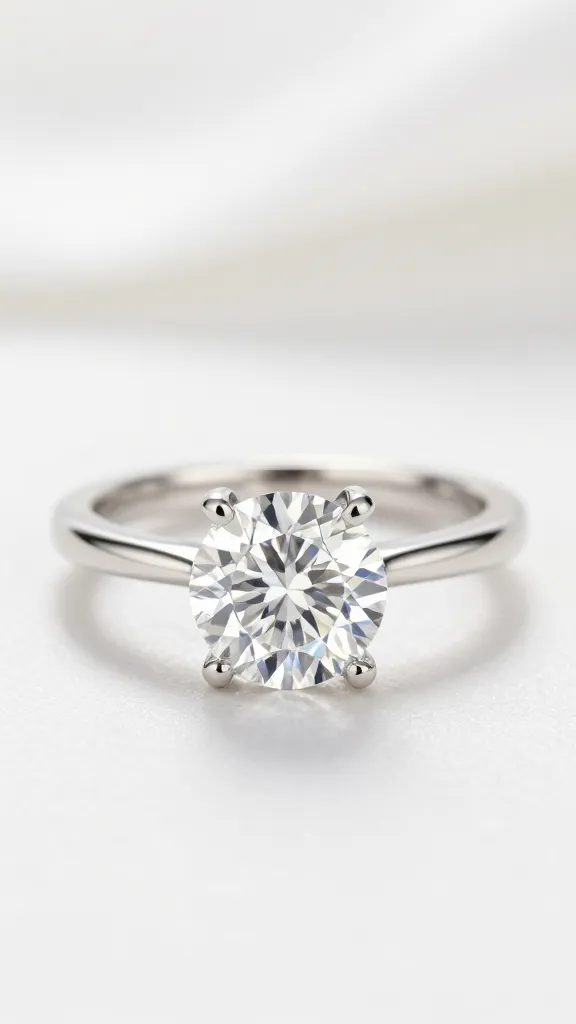
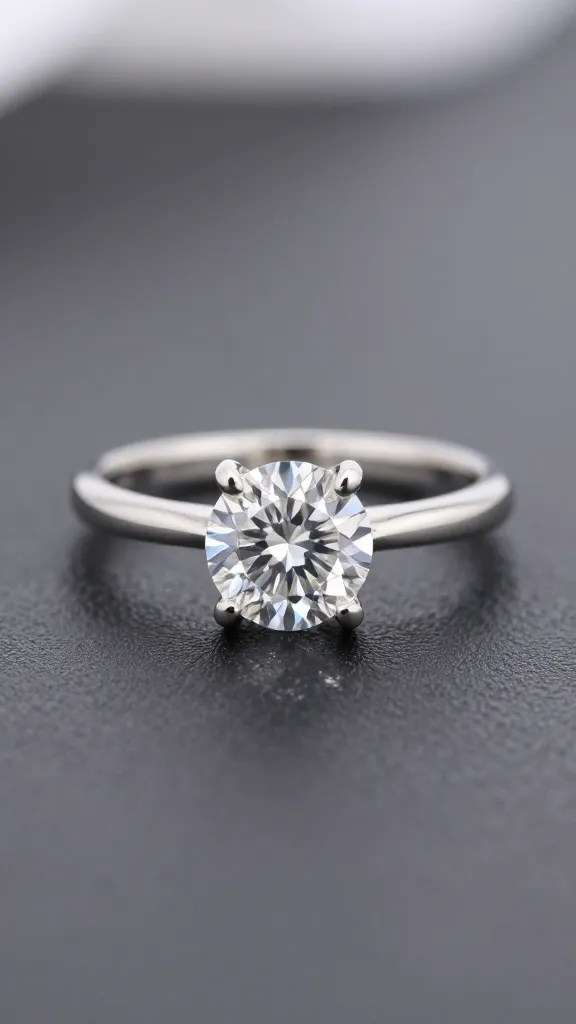
Round Brilliant: The All-Time MVP
This image was AI-generated or AI-enhanced.
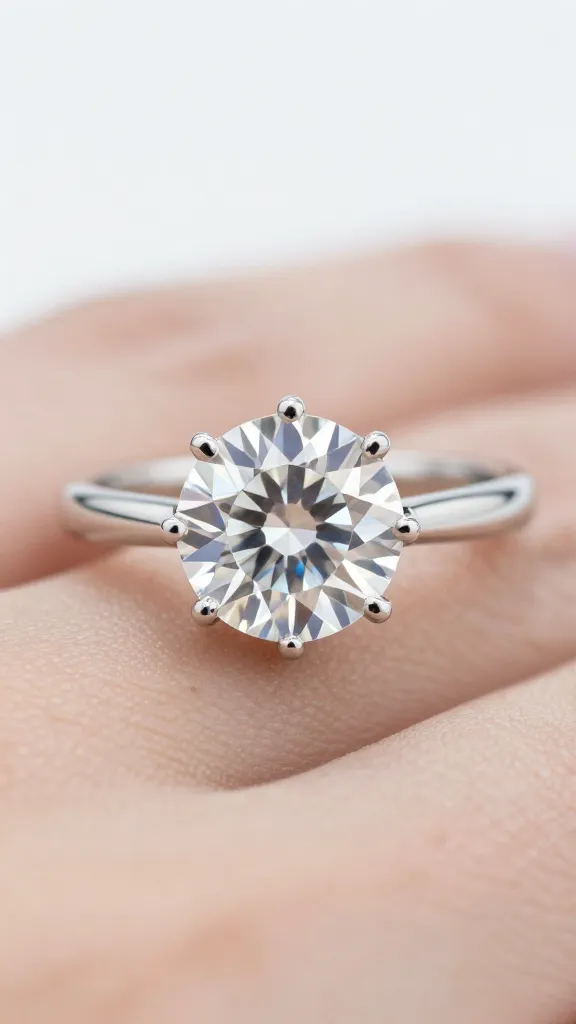
The round brilliant sits on the throne and refuses to move. It delivers maximum sparkle thanks to 58 facets designed to bounce light like crazy. It flatters every hand shape and matches literally any setting—from minimalist solitaires to ornate vintage halos.
Why it wins
- Brilliance for days: No shape outshines a well-cut round.
- Endless setting options: Prongs, bezels, halos, tension—have fun.
- Easier to buy smart: Tons of inventory means you can compare cut quality and prices.
Keep in mind
- Price premium: Demand pushes prices higher for the same carat weight.
- Face-up size: Rounds can look a tad smaller than elongated shapes at the same carat.
Oval: The Graceful Glow-Up
This image was AI-generated or AI-enhanced.
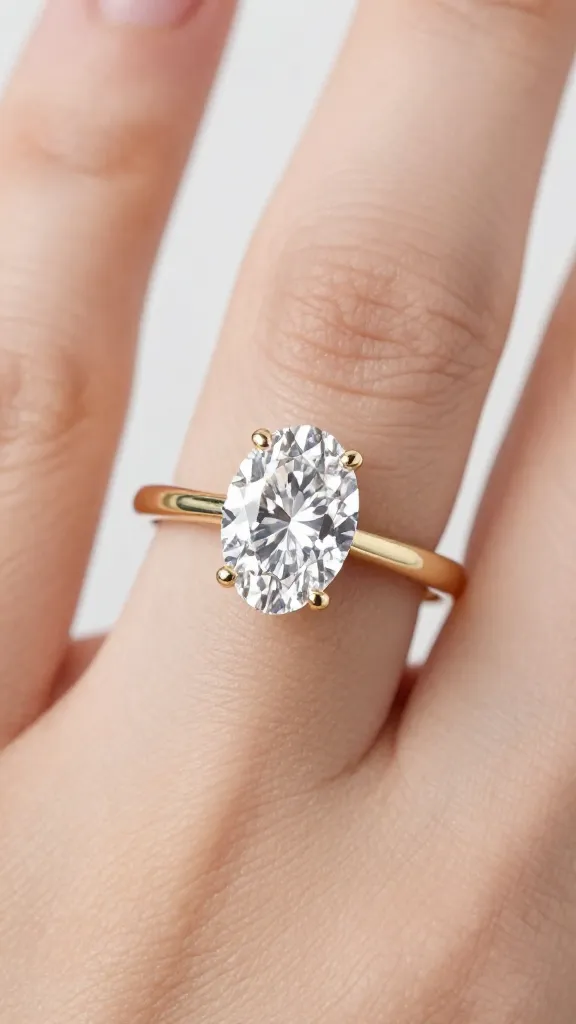
Ovals take round brilliance and stretch it, so you get more finger coverage with the same carat weight. They look elegant but never stuffy, and they photograph beautifully. If you want timeless with a dash of modern, this is your ring’s sweet spot.
The oval advantage
- Elongating effect: Slender, graceful look on the finger.
- Soft silhouette: No sharp corners, so fewer chip worries.
- Versatile vibe: Sophisticated in a solitaire, dreamy in a halo, chic east-west.
Watch for the bow-tie
Some ovals show a darker band across the center (the “bow-tie” effect). A slight bow-tie adds depth. A heavy one looks like your diamond’s frowning. Always view videos or see it in person, IMO.
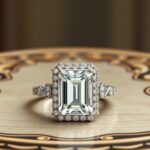
Emerald Cut: The Quiet Luxury Icon
This image was AI-generated or AI-enhanced.
If rounds are fireworks, emerald cuts are candlelight. You get hall-of-mirrors flashes instead of nonstop glitter. That step-cut clarity feels cool, architectural, and seriously timeless. Think old-Hollywood glam meets modern minimalism.
Why people love it
- Understated elegance: It whispers, it never shouts.
- Large face-up: Great finger coverage.
- Shows quality: A clean stone looks breathtaking.
Things to consider
- Clarity matters: Step cuts reveal inclusions and color more easily.
- Sparkle style: Expect broad flashes, not disco-ball brilliance.
Princess Cut: The Modern Classic With Edge
This image was AI-generated or AI-enhanced.
The princess cut brings crisp geometry and major sparkle. It reads classic but contemporary—like a tux with sneakers. It shines in simple solitaires and looks wild in channel-set bands.
Why it stays in style
- Excellent sparkle: Second only to round in fire and brightness.
- Square symmetry: Clean, modern profile that photographs sharply.
- Great in sets: Plays nicely with square side stones or bands.
Heads up
- Protect the corners: Opt for V-prongs; those corners can chip.
- Face-up size: Can look smaller than elongated shapes of the same carat.
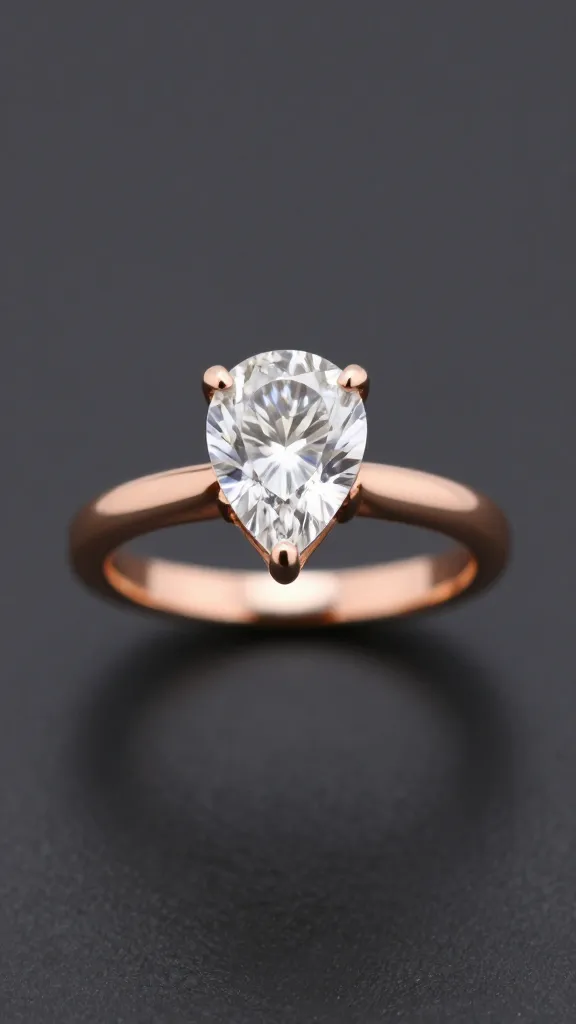
Pear: The Romantic Statement
This image was AI-generated or AI-enhanced.
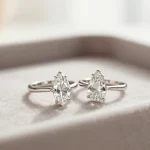
Pears mix oval softness with a gentle point for a unique but classic silhouette. They elongate the finger, and you can wear the tip up or down to change the vibe. It’s slightly bolder than an oval, without venturing into trend-chaser land.
Why pears charm forever
- Flattering shape: Slender look with lovely movement.
- Flexible orientation: North-south or east-west for a little edge.
- Beautiful halos: Halos echo the teardrop shape perfectly.
What to check
- Symmetry: The curves should match; lopsided pears look off.
- Bow-tie: Like ovals, pears can show one—view in different lights.
- Point protection: A bezel or V-prong helps, FYI.
Cushion Cut: The Vintage-Modern Bridge
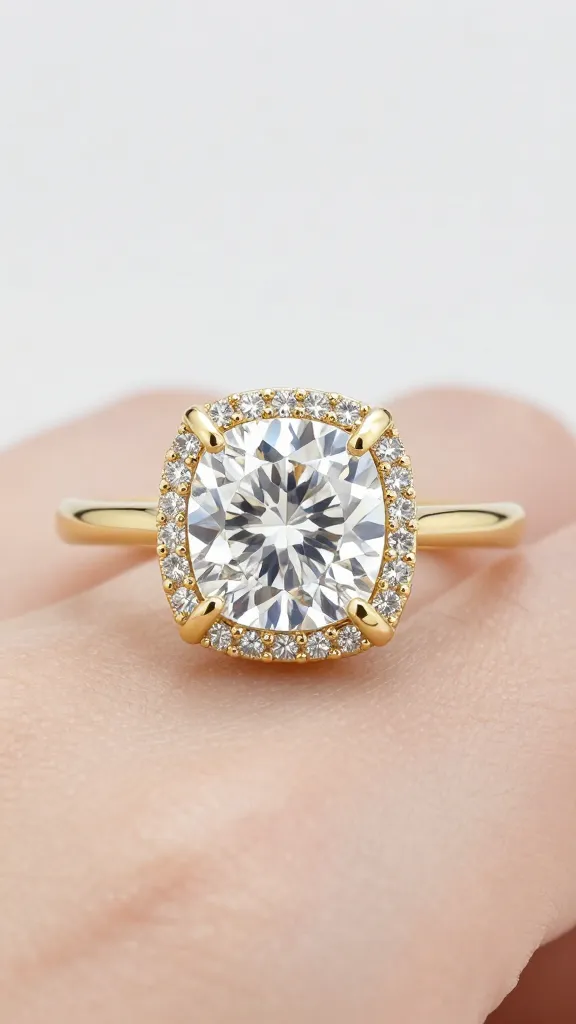
This image was AI-generated or AI-enhanced.
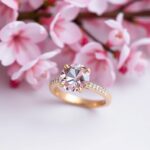
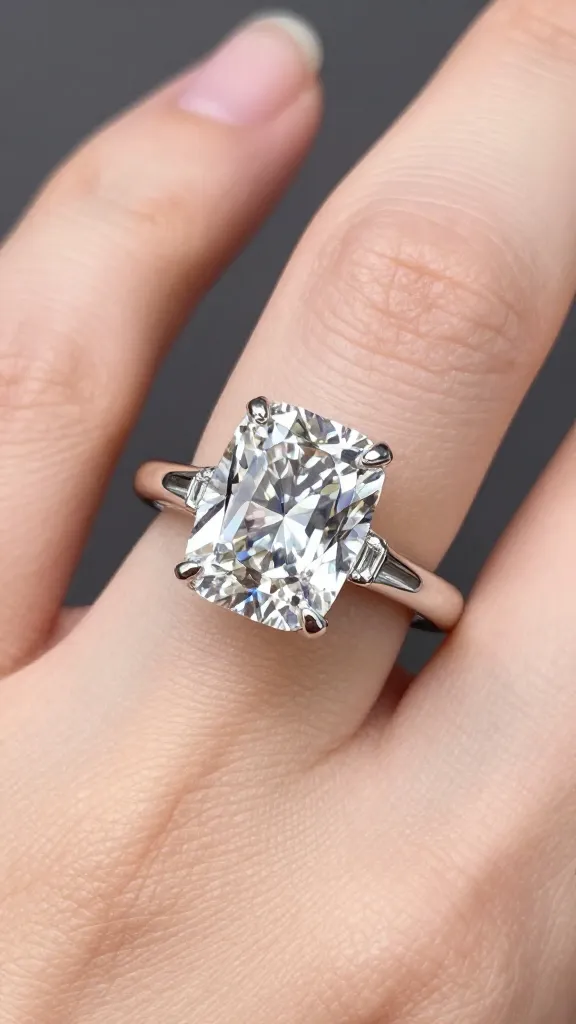
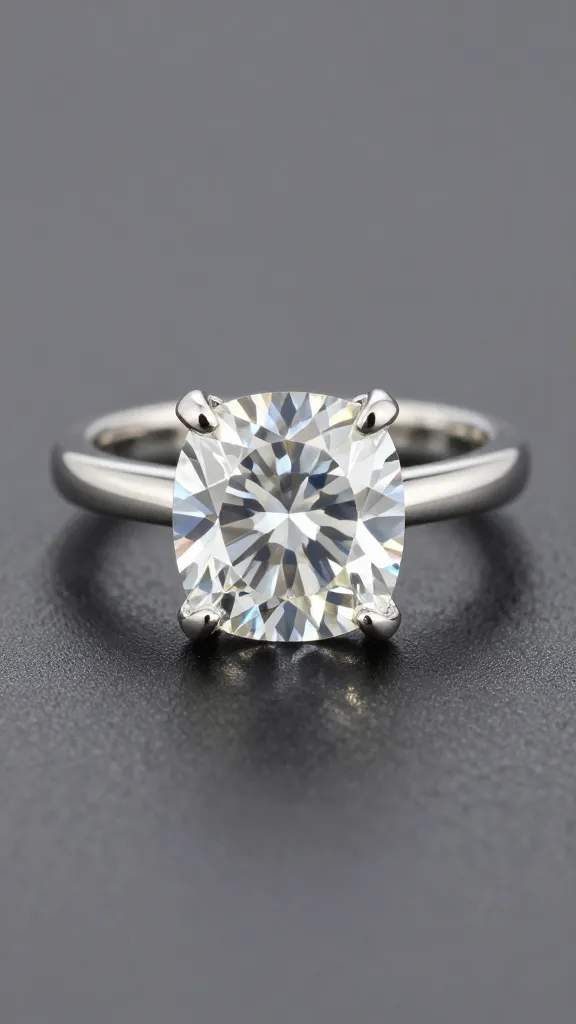
Cushion cuts bring rounded corners and a soft square or rectangular outline. Think heirloom energy with updated sparkle. They come in different “flavors,” from chunky antique facets to crushed-ice brilliance, and both look timeless when well-cut.
Why cushions endure
- Romantic silhouette: Rounded edges feel gentle and wearable.
- Styling range: Pairs perfectly with halos, milgrain, or a bare-bones solitaire.
- Face-up presence: Often looks substantial for the carat.
Buyer tips
- Cut consistency varies: Video matters more than stats.
- Ratio preference: Square for classic, elongated for a sleeker look.
Marquise: The Royal Wildcard
This image was AI-generated or AI-enhanced.
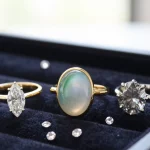
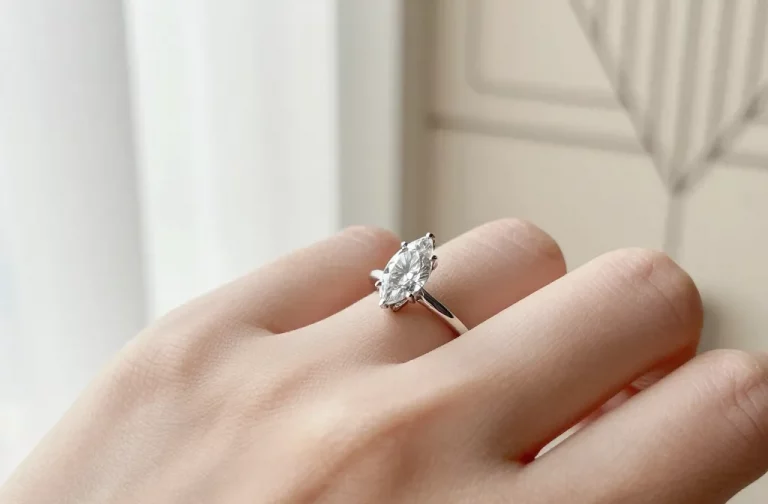
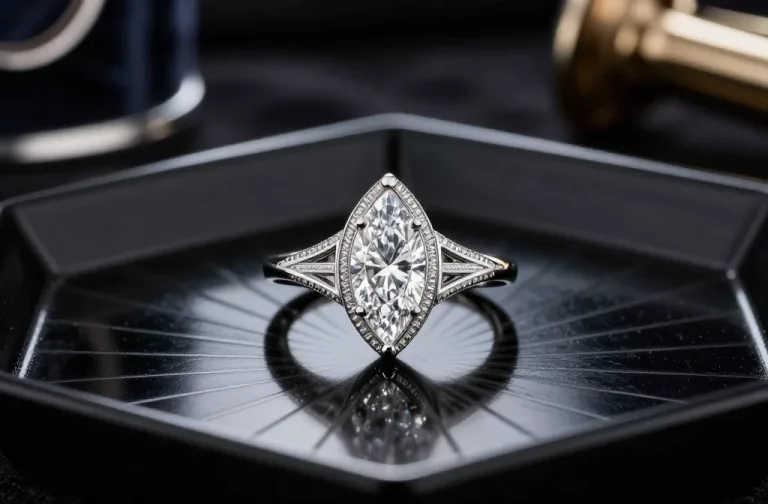
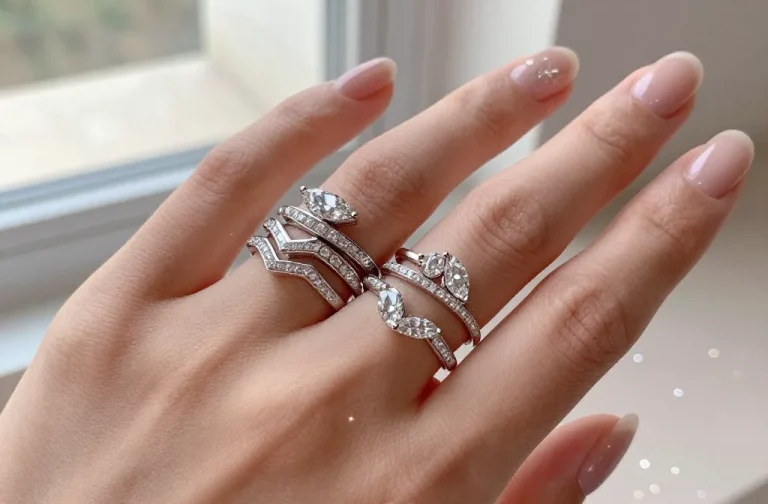
The marquise shape has serious vintage pedigree and a big personality. It gives maximum finger coverage with dramatic points and a regal vibe. When styled cleanly—think solitaire, bezel, or a delicate east-west—it looks timeless, not dated.
Make marquise work
- Precision symmetry: Both ends should mirror each other.
- Bow-tie check: Again, evaluate in motion.
- Protect those tips: V-prongs or a bezel keep it safe.
Settings That Keep Classics… Classic
Your stone shape does a lot of heavy lifting, but the setting can make or break that forever feel. Keep it clean, balanced, and durable. Trendy details fade; good proportions don’t.
Timeless setting styles
- Solitaire: The undefeated champion. Four or six prongs, or a sleek bezel.
- Cathedral: Gentle arches lift the stone and add silhouette drama.
- Pavé band: A slim, well-set pavé band adds sparkle without stealing the show.
- Three-stone: Classic symbolism, balanced proportions. Traps or tapered baguettes = chef’s kiss.
- Halo: Still timeless when delicate and well-proportioned, especially for cushions, ovals, and pears.
Metal and Band Choices That Age Well
Metal matters. You want something that plays nicely with your shape and skin tone—and won’t date your ring in five years.
- Platinum: Durable, naturally white, hypoallergenic. Pricey but worth it if you’re tough on jewelry.
- 18k yellow gold: Warm and classic. Looks luxe with emerald cuts, pears, and cushions.
- 14k white gold: Bright and budget-friendly. Re-plate rhodium as needed.
- Rose gold: Romantic, especially with cushions and ovals. Keep the design simple for longevity.
- Band width: Slim-to-medium bands feel timeless. Super-thin micro bands look delicate but can wear fast—choose quality.
Shopping Smart: Cut, Clarity, and Carat (Without the Headache)
Let’s simplify. You want the best-looking stone, not just the biggest number.
- Prioritize cut: For round, stick to excellent/ideal cut and verify with images and light performance data. For fancy shapes (oval, pear, emerald, cushion, marquise), rely on videos and vendor expertise.
- Be smart about clarity: For brilliant cuts (round, oval, pear, cushion), eye-clean SI1/SI2 can look great. For step cuts (emerald), lean VS1+ for peace of mind.
- Color tolerance: Yellow/rose gold forgives warmth; white metals want higher color grades. Ovals and pears can show color more at the tips—factor that in.
- Carat illusions: Elongated shapes look larger. If budget matters (it always does), consider oval, pear, or marquise for big visual impact.
FAQs
Which engagement ring shape holds value best?
Rounds usually hold value strongest because demand stays high and inventory remains deep. Ovals and cushions follow closely. That said, buy for love first. You’ll wear it; resale is Plan B, not Plan A, IMO.
Are halos still timeless or already “out”?
Halos stay timeless when delicate and proportional. Oversized, chunky halos feel trendier and date faster. If you want staying power, choose a slim halo that frames—don’t smother—the center stone.
What shape looks biggest for the carat?
Elongated shapes like oval, pear, and marquise offer the most finger coverage. Emerald cuts also face up large, though they don’t throw as much glitter. Rounds look compact but deliver unbeatable sparkle.
How do I avoid the bow-tie in ovals and pears?
You can’t judge by numbers alone. Always view videos from multiple angles and lighting setups. Aim for a slight, appealing bow-tie rather than a dark stripe. Trusted vendors will flag problem stones, FYI.
Is a bezel setting less sparkly than prongs?
A bezel can reflect light differently, but it won’t “kill” sparkle in a well-cut stone. It adds sleek lines, extra protection, and a modern vibe. If you love max brilliance, pair a bezel with a round or a lively cushion for the best of both worlds.
What ring shapes are safest for everyday wear?
Shapes without exposed corners—round, oval, and many cushions—handle daily life well. If you choose a princess, pear, marquise, or emerald, use protective prongs or a bezel and check your settings periodically. Jewelry wants a little TLC.
Final Thoughts
Timeless shapes earn their status because they deliver beauty without drama. Rounds, ovals, emeralds, cushions, pears, and even the bold marquise keep showing up for a reason: they look incredible on real hands, in real life, year after year. Pick the shape that makes your heart skip, pair it with a clean setting, and you’ll still love it when your grandkids raid your jewelry box. FYI: that’s the real test of timeless.
This image was AI-generated or AI-enhanced.