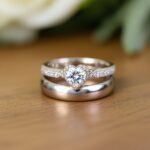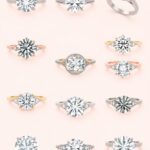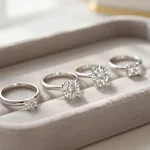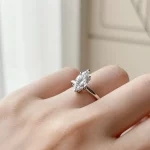
You want a ring that feels like a love story, not a trend? Vintage style engagement rings bring the romance, the detail, and the “wait, where did you find that?” factor. They look timeless, feel personal, and never scream “algorithm made me buy this.” Ready to decode filigree, halos, and Old European cuts without getting lost in the jewelry rabbit hole? Let’s dive in.
Why Vintage Style Rings Hit Different
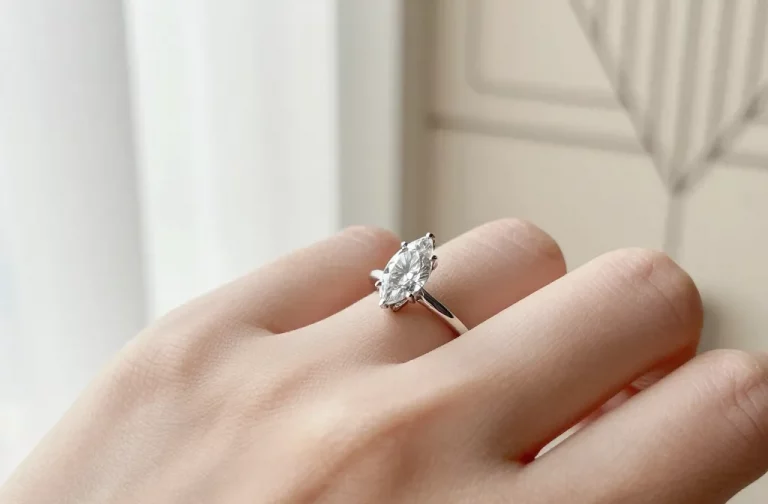
This image was AI-generated or AI-enhanced.
Vintage style rings mix old-world charm with modern durability. They offer character—the kind that comes from intricate metalwork and non-cookie-cutter designs. If you want something unique without scouring estate sales for months, this is your sweet spot.
Key reasons people love them:
- Distinctive designs: Think filigree, milgrain, and unexpected shapes.
- Romantic vibes: They tell a story, even if you write it now.
- Endless options: From dainty Edwardian to bold Art Deco geometry.
- Budget flexibility: Ornate settings can make smaller stones look larger, FYI.
Vintage vs. Vintage-Inspired: What’s the Difference?
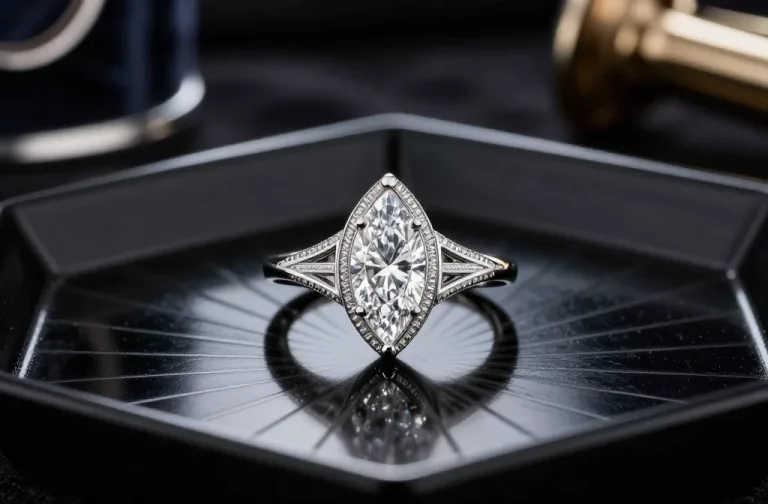
This image was AI-generated or AI-enhanced.
You’ve got two main paths: true vintage (or antique) and vintage-inspired (new pieces with old style). Both can look stunning, but they differ in wear, maintenance, and availability.
Authentic Vintage/Antique
- Pros: One-of-a-kind, real history, often exquisite handwork.
- Cons: Sizing challenges, potential wear-and-tear, limited selection.
Vintage-Inspired (New)
- Pros: Modern durability, easy warranty, custom sizing, ethically sourced stones available.
- Cons: Less “found treasure” appeal, and some designs can look too perfect (if you care).
IMO: If you want drama-free daily wear, go vintage-inspired. If you want a flex-worthy heirloom with patina and personality, go authentic.
Know Your Eras: A Quick Style Guide
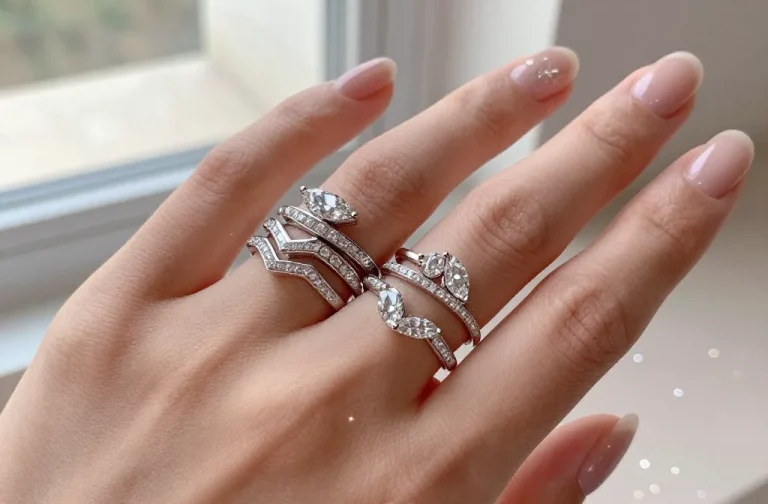
This image was AI-generated or AI-enhanced.
Every vintage ring era has a vibe. Once you spot what you like, shopping gets way easier.
Victorian (1837–1901)
- Warm yellow gold, romantic motifs (hearts, bows, serpents—yep).
- Rose-cut and old mine-cut diamonds; colorful gems like garnet and sapphire.
- Best for: Soft, romantic looks with a storybook feel.
Edwardian (1901–1915)
- Airy, lacy platinum with filigree and milgrain detail.
- Brilliant white-on-white: platinum + diamonds = sparkle city.
- Best for: Delicate elegance that still packs shine.
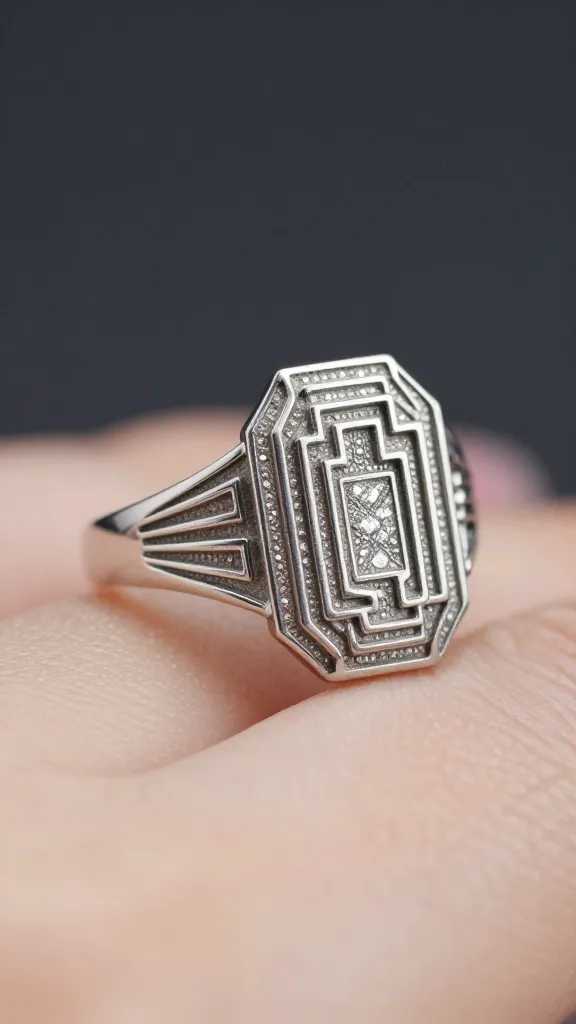
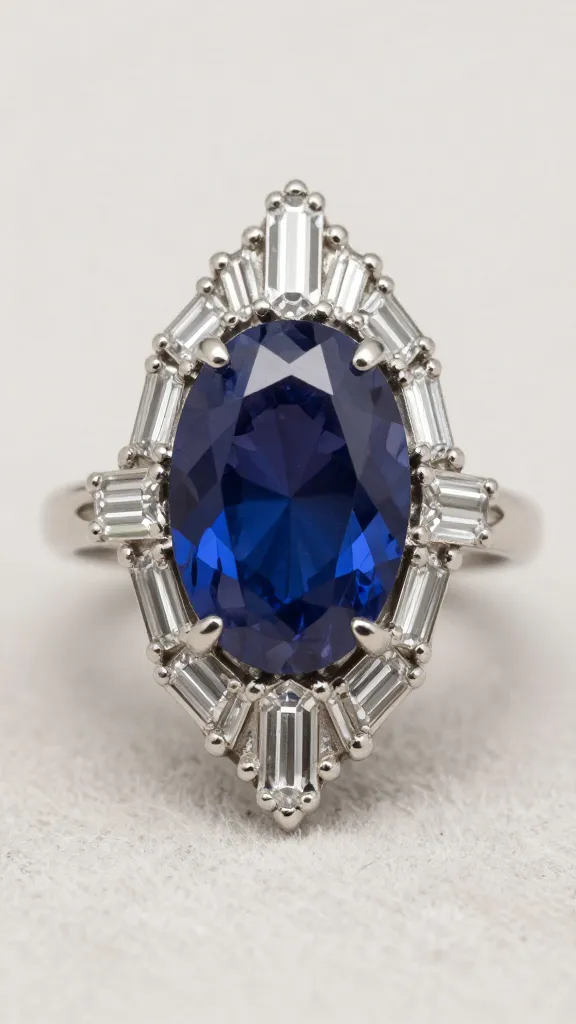
Art Deco (1920s–1930s)
- Geometric shapes, clean lines, bold symmetry.
- Step-cut stones, baguettes, and pops of onyx, sapphire, or emerald.
- Best for: Glam with attitude—think vintage Gatsby energy.
Retro (1940s)
- Chunky gold, oversized curves, dramatic flair.
- Rubies and sapphires shine; diamonds used strategically due to wartime scarcity.
- Best for: Statement-makers who want a ring that low-key roars.
The Stones: Cuts That Create the Look
This image was AI-generated or AI-enhanced.
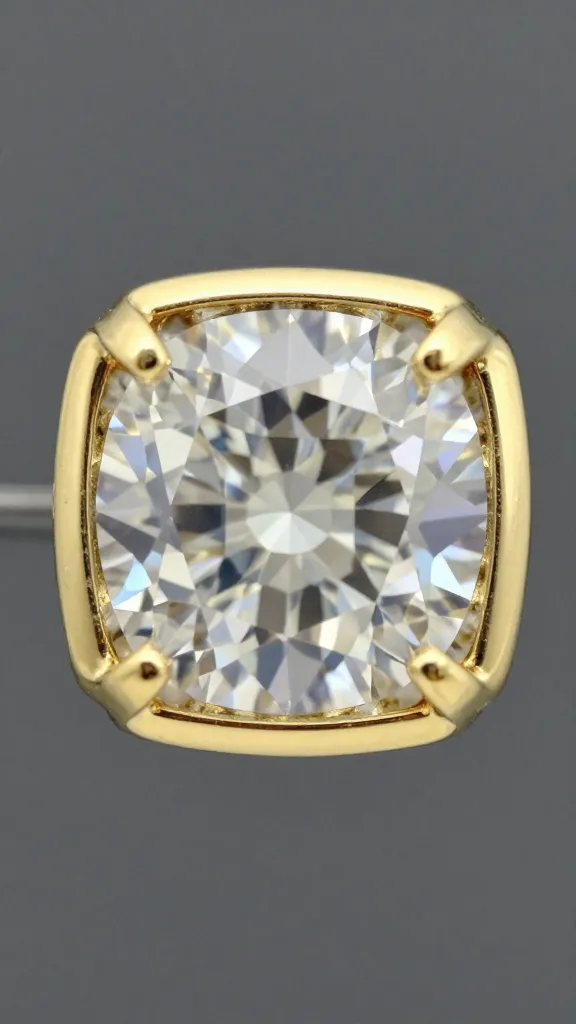
The stone cut can make or break the vintage feel. Not every round brilliant gives “old world.”
- Old Mine Cut: Chunky facets, cushiony outline, fiery sparkle under candlelight. Romantic and moody.
- Old European Cut: Round predecessor to modern brilliants; big culet, charming shimmer.
- Rose Cut: Flat bottom, domed top, subtle glow. Low profile and ethereal.
- Step Cuts (Asscher, Emerald): Clean facets, mirror-like flash; perfect for Deco designs.
- Colored Gems: Sapphire, emerald, ruby add period drama and often better price-to-size.
Lab vs. Natural Stones
Both can look incredible. Lab diamonds or moissanite can keep costs down while keeping sparkle levels high. Natural stones bring rarity and history cred. Choose what aligns with your budget and values—no guilt either way.
Settings and Details That Scream Vintage
This image was AI-generated or AI-enhanced.
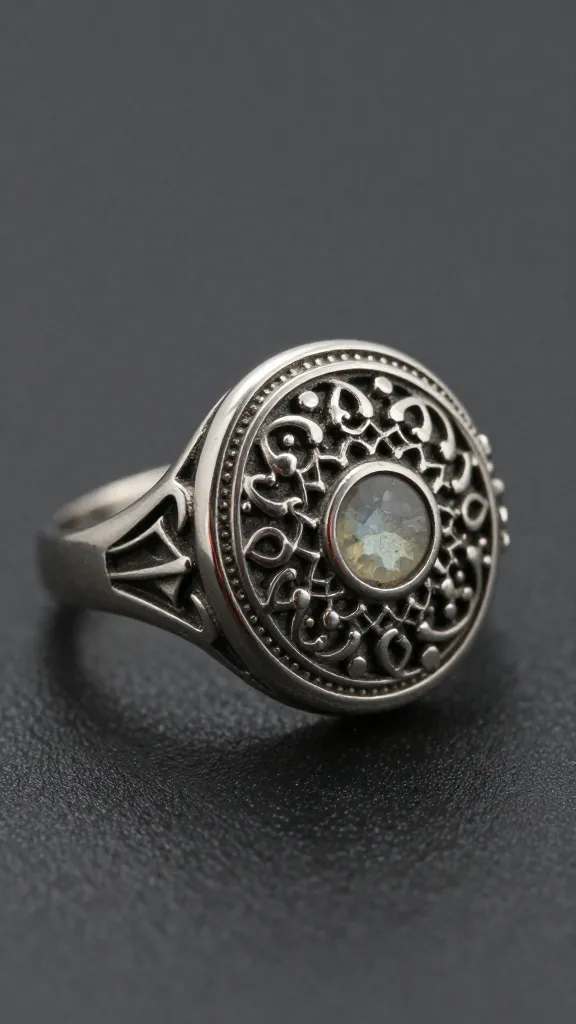
If you want that vintage heartbeat, focus on the metalwork.
- Milgrain: Beaded edges that frame the design—tiny detail, big impact.
- Filigree: Lacy metal patterns, especially in Edwardian-inspired pieces.
- Engraving: Hand-etched shanks with floral or geometric motifs.
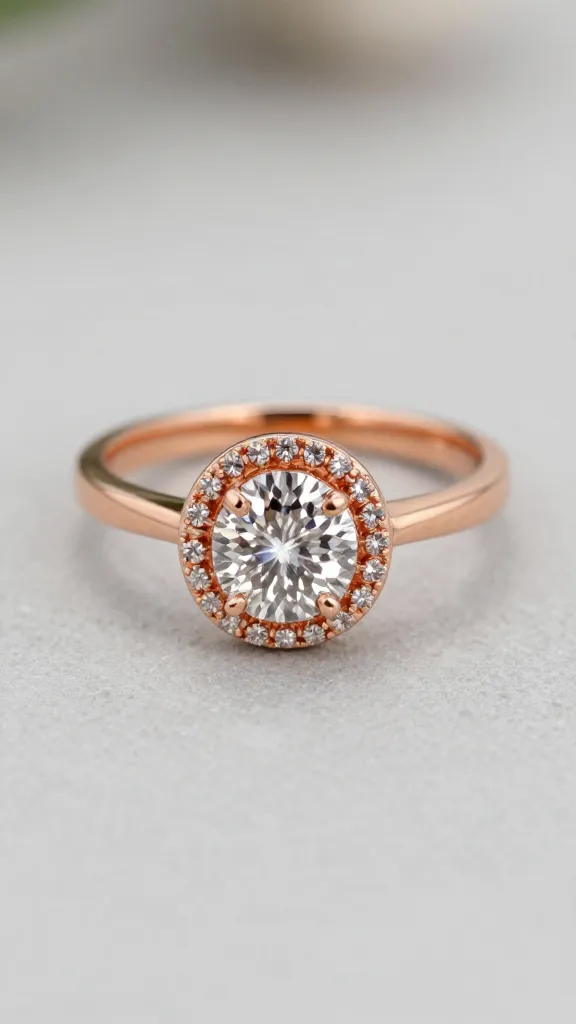
- Halo and Double Halo: Especially square or hex halos—super Deco.
- Three-Stone: Popular across eras; choose side stones to match the vibe (baguettes for Deco, pears for Edwardian romance).
- Bezel Settings: Sleek, secure, and historically accurate—also very practical for daily wear.
FYI: You can mix eras. A rose-cut diamond in a Deco-inspired bezel? Chef’s kiss.
Metal Matters: Gold, Platinum, and Patina
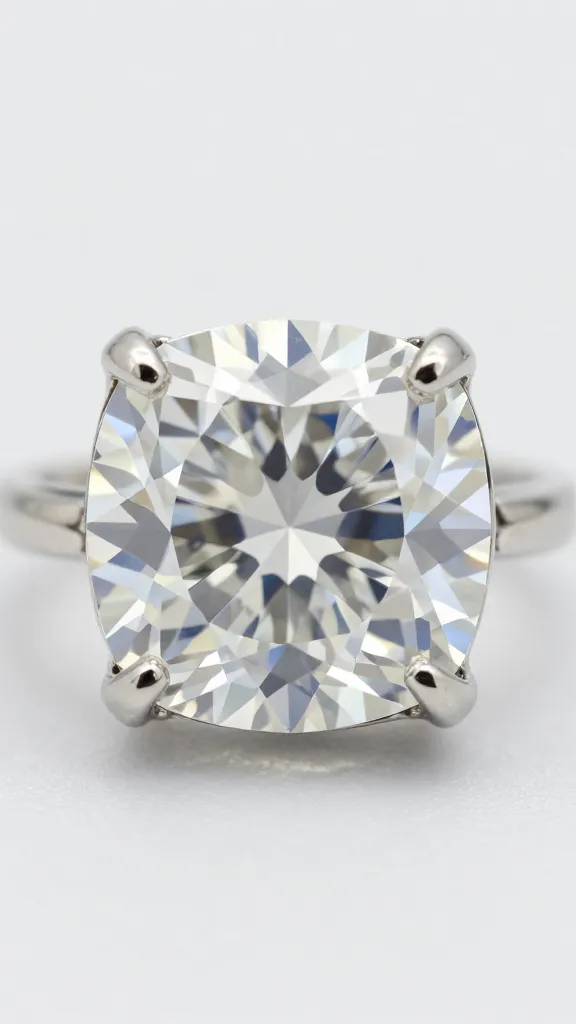
This image was AI-generated or AI-enhanced.
Pick a metal that suits the look and your lifestyle.
- Yellow Gold: Warm and classic—great for Victorian and Retro vibes.
- Rose Gold: Romantic, soft, and very flattering on many skin tones.
- White Gold: Bright, cost-effective alternative to platinum; needs rhodium replating over time.
- Platinum: Durable, naturally white, ideal for delicate filigree. It develops a satin patina that looks luxe.
IMO: For intricate detailing, platinum wins. For cozy, antique warmth, go yellow or rose gold.
Shopping Smart: Authenticity, Sizing, and Red Flags
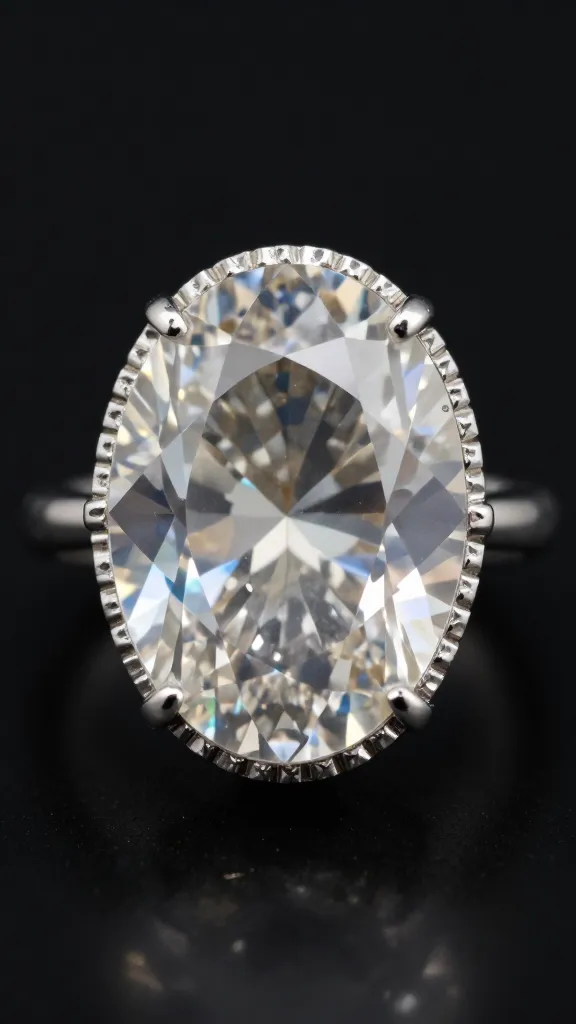
This image was AI-generated or AI-enhanced.
Let’s avoid heartbreak and sketchy listings.
Where to Buy
- Estate jewelers: Curated, vetted selection and repair expertise.
- Certified online retailers: Look for high-res images, videos, and return policies.
- Auctions and antique markets: Fun hunts—bring a loupe, a budget, and patience.
What to Check
- Condition: Inspect prongs, band thickness, and any replaced stones.
- Documentation: Appraisals, maker’s marks, and clarity on modifications.
- Stone security: Gently tap near your ear—any rattle? Hard pass until tightened.
Sizing and Resets
Resizing antique rings can stress delicate details. Go up or down one size max when possible. If the size jump is big, consider a custom vintage-inspired remake that preserves the design but fits perfectly.
Care and Maintenance (Because You’ll Wear It Daily)
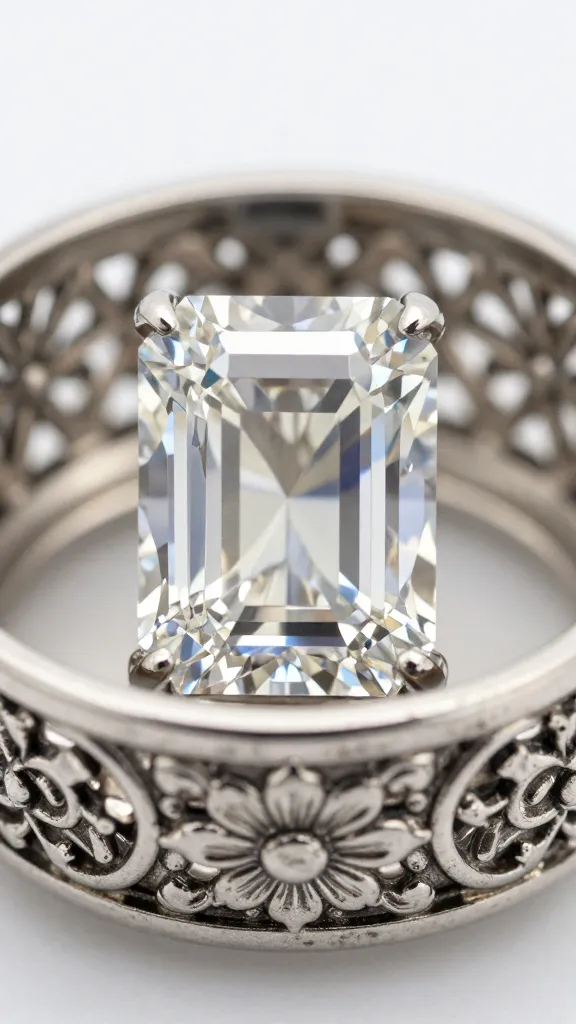
This image was AI-generated or AI-enhanced.
A little love keeps vintage sparkle alive.
- Cleaning: Soft brush, warm water, mild soap. Skip harsh chemicals on antique pieces.
- Inspections: Jeweler check every 6–12 months for prongs and settings.
- Storage: Separate pouch or box to avoid scratches.
- Activities: Take it off for gym sessions, gardening, and wild DIY projects.
Insurance tip: Appraise it and insure it. Peace of mind beats panic every time.
Budgeting Without Compromising the Look
Good news: ornate settings can make modest stones look major. Play with proportions and details.
- Go vintage-inspired: More control, better pricing, custom options.
- Choose alternative stones: Sapphires or moissanite bring sparkle without the diamond price tag.
- Pick halo or cluster styles: Smaller stones = big presence.
- Prioritize cut and setting: A well-cut old European in a milgrain bezel looks luxe even at smaller carats.
FAQ
Are vintage style engagement rings durable for everyday wear?
Yes, especially if you pick a sturdy setting like a bezel or protective halo. Authentic antiques may need more TLC, so get them checked regularly. For daily wear with minimal fuss, vintage-inspired designs in platinum or 14k/18k gold work beautifully.
What stones look most “authentically vintage”?
Old mine cuts, old European cuts, and rose cuts nail the look. Step cuts like Asscher and emerald also feel period-correct, especially for Art Deco styles. Colored stones—sapphire, emerald, and ruby—add instant vintage cred.
How do I know if a ring is truly antique?
Look for maker’s marks, assay stamps, and signs of age like patina and hand-cut facets. Ask for documentation, prior appraisals, or expert opinions from a reputable jeweler. If a deal looks too good, assume it needs more vetting.
Can I customize a vintage-inspired ring to fit my taste?
Absolutely. You can tweak metal color, stone shape, engraving, and even filigree patterns. Work with a jeweler who shows you CAD renders or wax models so you see the design before casting.
Is platinum better than white gold for vintage styles?
Platinum handles fine detail and wears beautifully over time. White gold costs less upfront but needs rhodium replating to stay bright. Both look great; pick based on maintenance preferences and budget.
What if my partner wants low-profile but vintage?
Go for rose-cut or old mine-cut stones in bezel settings, or a delicate Edwardian-style band with engraving. These sit close to the finger and won’t snag sweaters every five minutes.
Conclusion
Vintage style engagement rings blend romance, craftsmanship, and personality in one sparkly package. Whether you chase a true antique or build a vintage-inspired beauty, focus on era details, stone cuts, and a setting that fits real life. Choose the one that makes you smile every time it catches the light—because that’s the real magic.
This image was AI-generated or AI-enhanced.