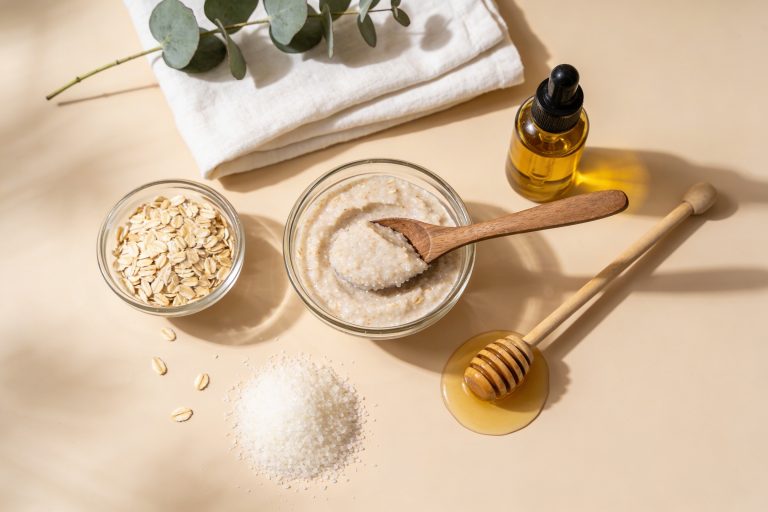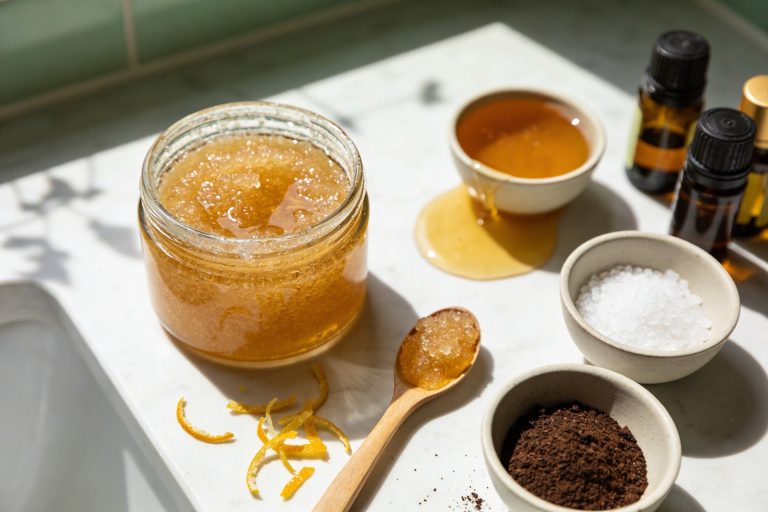
You want smooth, glowy skin without paying a small fortune? Same. The secret: a customized homemade scrub that actually fits your skin type. You control the ingredients, the texture, and the vibe—spa day in your kitchen, minus the whale sounds. Ready to ditch the guesswork and mix something your skin will love?
Why DIY Exfoliating Scrubs Work (When You Do Them Right)
Exfoliation removes dead skin cells so your face looks brighter and your skincare sinks in better. A scrub gives immediate results and, when you tailor it, you avoid the irritants that sneak into store-bought stuff. Plus, homemade scrubs cost pennies and feel extra bougie. FYI: overdoing it can wreck your moisture barrier, so we’ll keep things gentle and smart.
First, Know Your Skin Type
You can’t pick the right scrub until you know what you’re working with. Quick rundown:
- Dry: Feels tight, flaky, or rough. Loves oils and creamy textures.
- Oily: Shiny, congestion-prone. Needs light textures and gentle polishing.
- Combination: Oily T-zone, normal/dry cheeks. Wants balance (and patience).
- Sensitive: Easily reacts, turns red fast. Needs ultra-gentle, minimal formulas.
- Acne-prone: Breakouts, clogged pores. Needs non-comedogenic oils and zero harsh grains.
- Mature: Dullness, fine lines. Loves antioxidants and soft, round exfoliants.
Choose Your Exfoliation Style: Physical vs. Chemical (at Home)
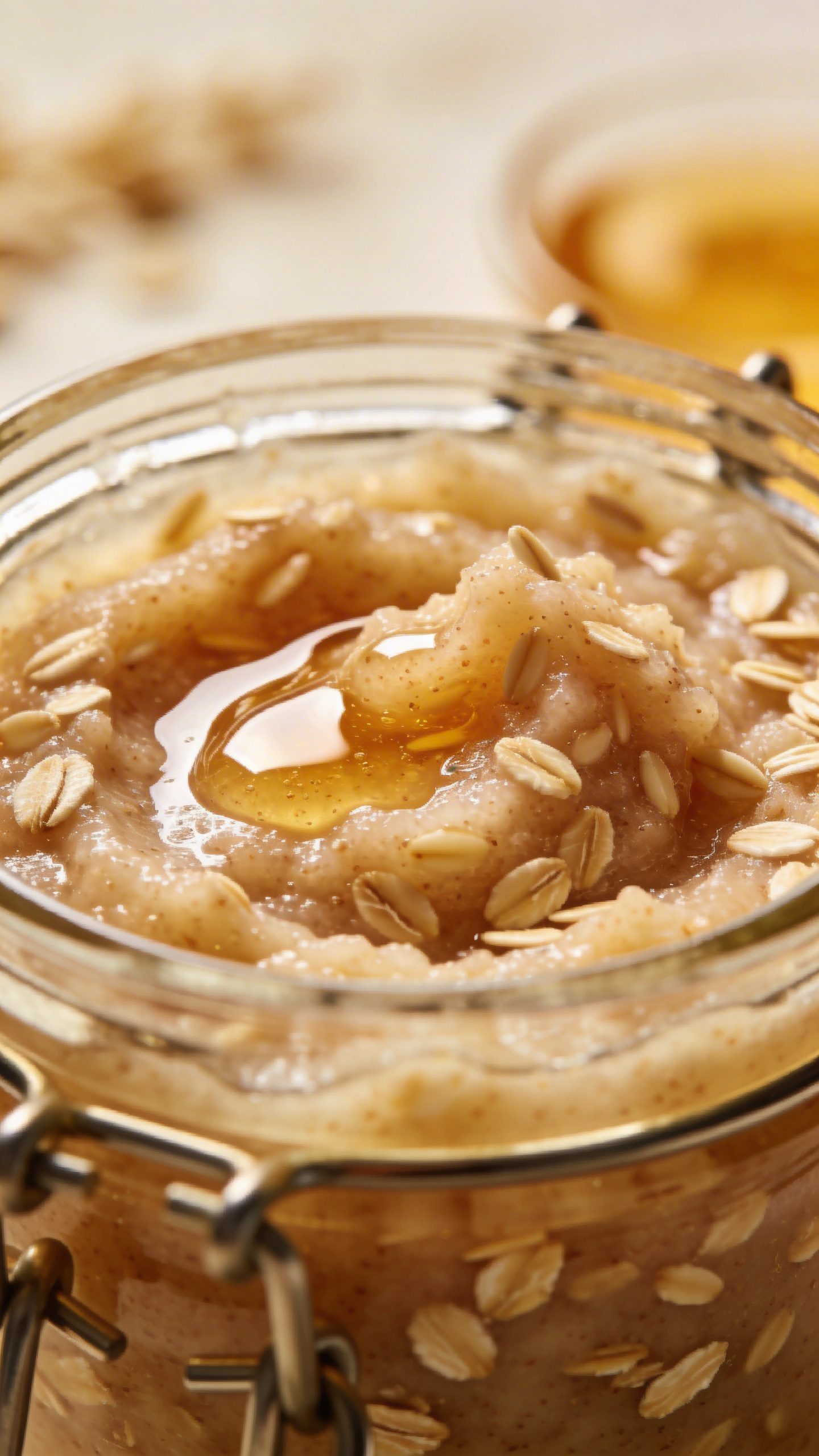
This image was AI-generated or AI-enhanced.
You’ve got two main paths—and yes, you can combine them, but carefully.
- Physical exfoliation: Granules that polish the surface (sugar, oatmeal, rice flour). Instant smoothness when done gently.
- Mild chemical exfoliation: Naturally occurring acids from fruit or yogurt that dissolve dead cells. Think lactic acid vibes from plain yogurt or a diluted lemon-honey mix.
Smart Pairings
- Dry/sensitive: Ultra-fine physical exfoliants + creamy base (yogurt, milk, oat milk).
- Oily/acne-prone: Very fine grains + hydrating base (aloe gel) or a touch of diluted apple cider vinegar.
- Mature: Gentle physical + lactic-acid-rich base (yogurt) for glow without scratchiness.
Core Pantry Players (And Why They Work)
Let’s shop your kitchen like a skincare aisle.
- Oats (finely ground): Soothing, reduces redness. Great for everyone, especially sensitive.
- Brown or white sugar: Dissolves with water, reduces over-scrubbing risk. Brown is softer.
- Rice flour: Fine, brightening, helps blur texture. IMO, top tier for combo/oily.
- Honey (raw, if possible): Humectant, mild antimicrobial, adds slip.
- Plain yogurt: Lactic acid for gentle chemical exfoliation + moisture.
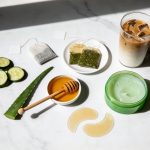
- Aloe vera gel: Lightweight hydration, calms irritation, good for oily/acne-prone.
- Oils: Jojoba (closest to skin sebum), sweet almond (nourishing), grapeseed (lightweight). Use sparingly for oily/acne-prone.
- Coffee grounds (freshly ground, very fine): Energizing, but can be scratchy—use carefully on body, ultra-fine only for face.
- Lemon juice or apple cider vinegar: Acidity for brightness—always dilute. Patch test, please.
Recipes by Skin Type (Small-Batch, Face-Friendly)
Make enough for one use to keep things fresh. Mix, massage gently for 30–60 seconds, then rinse with lukewarm water.
1) Dry Skin: Creamy Oat-Honey Polish
- 1 tbsp finely ground oats
- 1 tsp honey
- 1–2 tsp plain yogurt (or milk/oat milk)
Stir till creamy. Massage with soft circles. Rinse, pat dry, and seal with a moisturizer. Your skin will purr.
2) Oily Skin: Rice Flour + Aloe Matte Scrub
- 1 tbsp rice flour
- 1 tsp aloe vera gel
- 1–2 tsp water or green tea
- Optional: 2–3 drops diluted apple cider vinegar (1:4 ACV to water)
Make a thin paste. Gently buff, especially around nose and chin. Rinse well. Enjoy that non-greasy glow.
3) Combination Skin: Sugar-Oat Split Difference
- 1 tsp fine brown sugar
- 1 tsp finely ground oats
- 1–2 tsp honey or yogurt (half-and-half works too)
Use more pressure on oily areas, feather-light on dry zones. Balance, achieved.
4) Sensitive Skin: Oat Cloud Cleanse (No Sugar)
- 1 tbsp finely ground oats
- 2 tsp plain yogurt or lukewarm chamomile tea
- Optional: 1/2 tsp honey if tolerated
Keep the texture smooth—no sharp bits. Massage with fingertips only. Rinse and stop while things still feel calm.
5) Acne-Prone Skin: Gentle Rice + Honey Clarifier
- 1 tsp ultra-fine rice flour
- 1 tsp honey
- 1–2 tsp aloe vera gel
Spot-test first. Avoid active, open pimples—exfoliate around them. Rinse thoroughly. Follow with your usual acne treatment.
6) Mature or Dull Skin: Lactic Glow Yogurt Buff
- 1 tsp fine brown sugar
- 2 tsp plain yogurt
- 1/2 tsp jojoba oil
Short, gentle strokes. Let it sit for one extra minute like a mini mask, then rinse. Hello, smooth.
Technique Matters More Than the Recipe
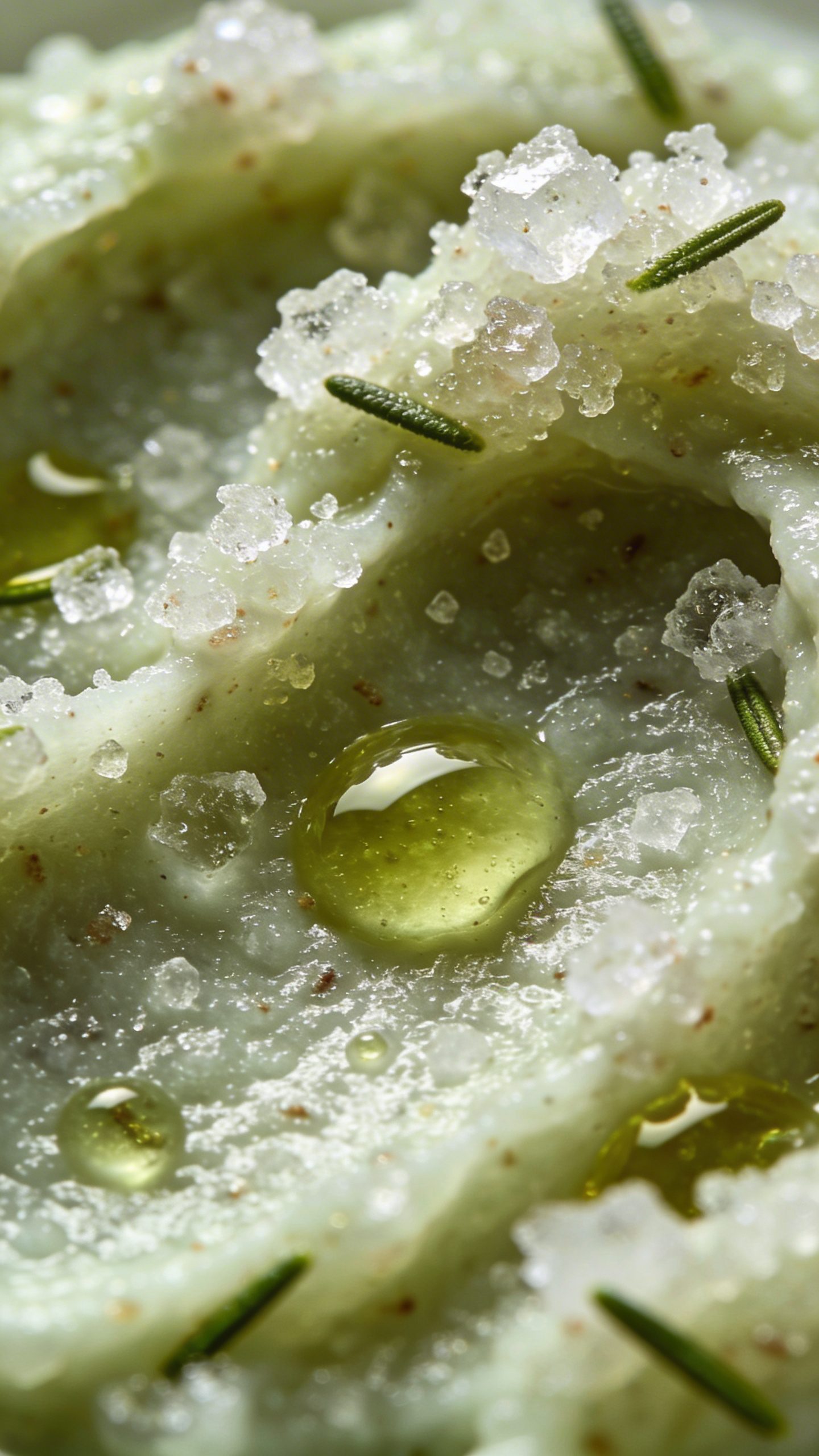
This image was AI-generated or AI-enhanced.
You can have the best ingredients and still overdo it. Let’s keep your barrier happy.
- Frequency: Dry/sensitive 1x weekly; combo/oily 1–2x weekly; acne-prone 1x weekly max at first.
- Pressure: Featherlight. Your scrub should glide, not sand wood.
- Time: 30–60 seconds max. Then rinse—no scrub marathons.
- Aftercare: Pat dry, apply hydrating serum or moisturizer, and SPF during the day. Non-negotiable.
What to Avoid
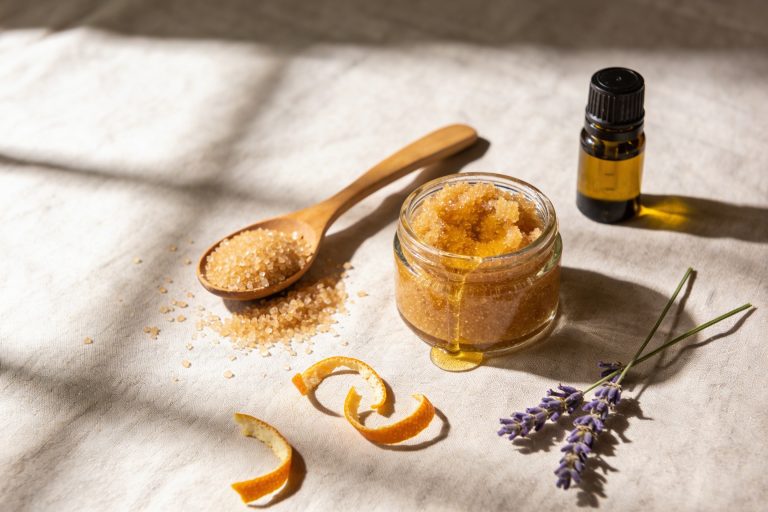
- Large, jagged particles (raw sugar crystals, salt chunks, shell powders) on your face—save those for body scrubs.
- Essential oils in scrubs—skin doesn’t need fragrance to exfoliate.
- Harsh combos like scrub + retinoid + strong acid on the same night. Choose one hero.
Tweak and Upgrade: Make It Yours
Feeling extra? Customize like a pro.
- For brightening: Add 1/4 tsp turmeric to yogurt-based scrubs (expect a warm tint—don’t overdo it).
- For hydration: A few drops of squalane or jojoba oil for dry spots only.
- For calming: Brew green tea or chamomile for your liquid base.
- For texture control: Blitz oats or rice in a blender to get a baby-soft, face-safe grind.
FAQ
Can I store homemade scrubs?
Short answer: not really. Fresh is best. Water + food ingredients can grow microbes fast. If you must store, make a dry mix only (like ground oats and rice flour) in a clean jar for up to 2–3 weeks, then add wet ingredients right before use.
Is sugar safe for my face?
Yes, fine sugar works because it dissolves quickly and reduces over-scrubbing. Choose brown or caster sugar and skip the chunky crystals. If your skin feels scratchy, switch to oats or rice flour.
What if I have active acne?
Avoid scrubbing over inflamed pimples. Exfoliate around them gently or skip that day. Focus on soothing bases like aloe and honey, and keep frequency low. When in doubt, patch test and listen to your skin—not the hype.
Can I use lemon juice for brightening?
You can add a tiny, diluted amount for brightness, but respect the acidity. Mix 1 part lemon to 8–10 parts water or just skip it and use yogurt or a vitamin C serum on non-scrub days. Your barrier will thank you.
Why does my skin feel tight after scrubbing?
You likely used too much pressure, scrubbed too long, or rinsed with hot water. Scale it back, switch to a creamier base, and moisturize immediately. Tightness isn’t “clean”—it’s your barrier begging for mercy.
Body scrubs vs. face scrubs—same thing?
Nope. Your body can handle coarser textures like sugar and salt. Your face needs finer, smoother particles. Different neighborhoods, different speed limits.
Conclusion
You don’t need a 12-step routine to get smooth, happy skin. Build a scrub that fits your skin type, keep the texture gentle, and treat exfoliation like seasoning—just enough makes everything better. IMO, the best glow comes from consistency, not aggression. Now go mix up a mini spa moment and flex that baby-soft face (SPF on, obviously).
This image was AI-generated or AI-enhanced.