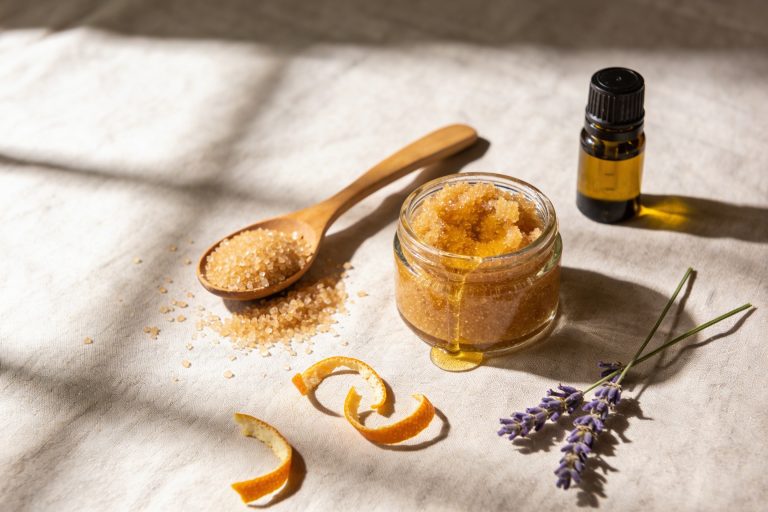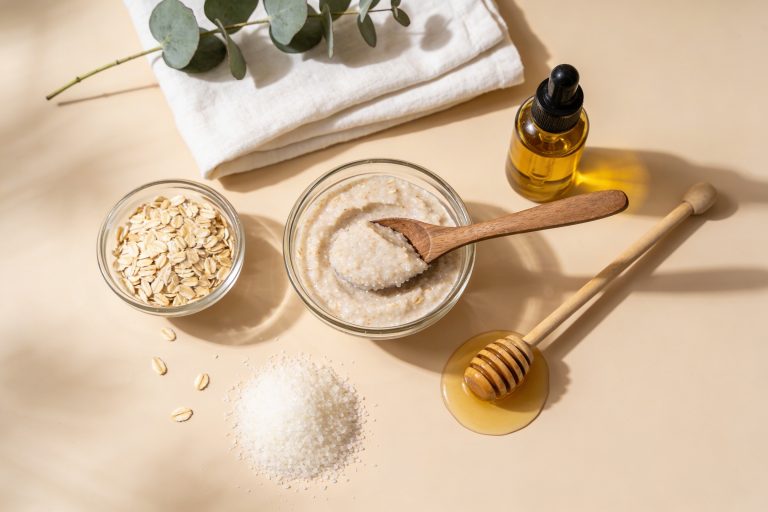
You want glowing skin without dropping $$$ on jars that smell like a fruit salad? Same. Let’s skip the mystery ingredients and make scrubs that feel luxe, work hard, and come straight from your pantry. We’ll keep it simple, customized, and yes—your bathroom will smell like a spa and a bakery had a cute little baby.
Why DIY Scrubs Actually Work
You don’t need a chem lab to exfoliate like a pro. You just need a gentle abrasive, a skin-loving base, and something that boosts benefits. That’s it.
What scrubs do:
- Buff away dead skin so your glow can show
- Unclog pores and smooth rough patches
- Help your moisturizers sink in better
Three building blocks:
- Exfoliant: Sugar, salt, oats, coffee, rice flour
- Base: Oils (jojoba, sweet almond, olive, coconut), yogurt, honey, aloe gel
- Boosters: Citrus zest, green tea, turmeric, essential oils (diluted), vitamin E
Pick the Right Scrub for Your Skin Type
One size fits nobody. Choose textures and ingredients that match your vibe (and your face’s mood).
- Sensitive or reactive: Go super gentle—finely ground oats or rice flour + jojoba or aloe. No citrus, no minty oils. Your skin is not a mojito.
- Dry or flaky: Brown sugar + honey + sweet almond oil. Think hydrating and soothing.
- Oily or clogged: Fine sugar + yogurt + a sprinkle of finely ground green tea. Balance without stripping.
- Body rough spots (elbows, legs, heels): Sea salt + coconut or olive oil. Keep it on the body, not the face.
Face vs. Body: Big Difference
Your face skin is picky and fragile. Use finer exfoliants and lighter pressure. Save the gritty stuff for arms, legs, and feet. And if your skin says “nope,” stop. FYI, redness doesn’t equal “it’s working.”
Simple, Reliable Recipes You’ll Actually Use
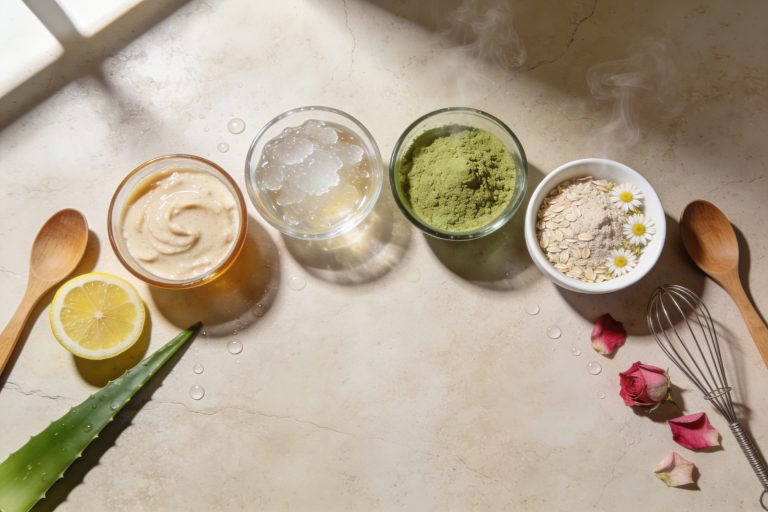
This image was AI-generated or AI-enhanced.
Let’s keep these small-batch so they stay fresh. Mix in a clean bowl with a clean spoon. Adjust textures until it feels right—like wet sand, not beach gravel.
1) Gentle Oat + Honey Face Polish
- 2 tbsp finely ground oats (coffee grinder = hero)
- 1 tbsp honey
- 1 tsp aloe gel or water to loosen
Massage on damp skin for 30–60 seconds. Rinse with lukewarm water. Skin feels calm, not tight.
2) Brightening Sugar + Yogurt Scrub
- 1 tbsp fine white sugar
- 1 tbsp plain Greek yogurt
- 1 tsp honey
Gently massage, let it sit for 2 minutes (lactic acid does its thing), then rinse. Avoid if you’re dairy-sensitive on skin.
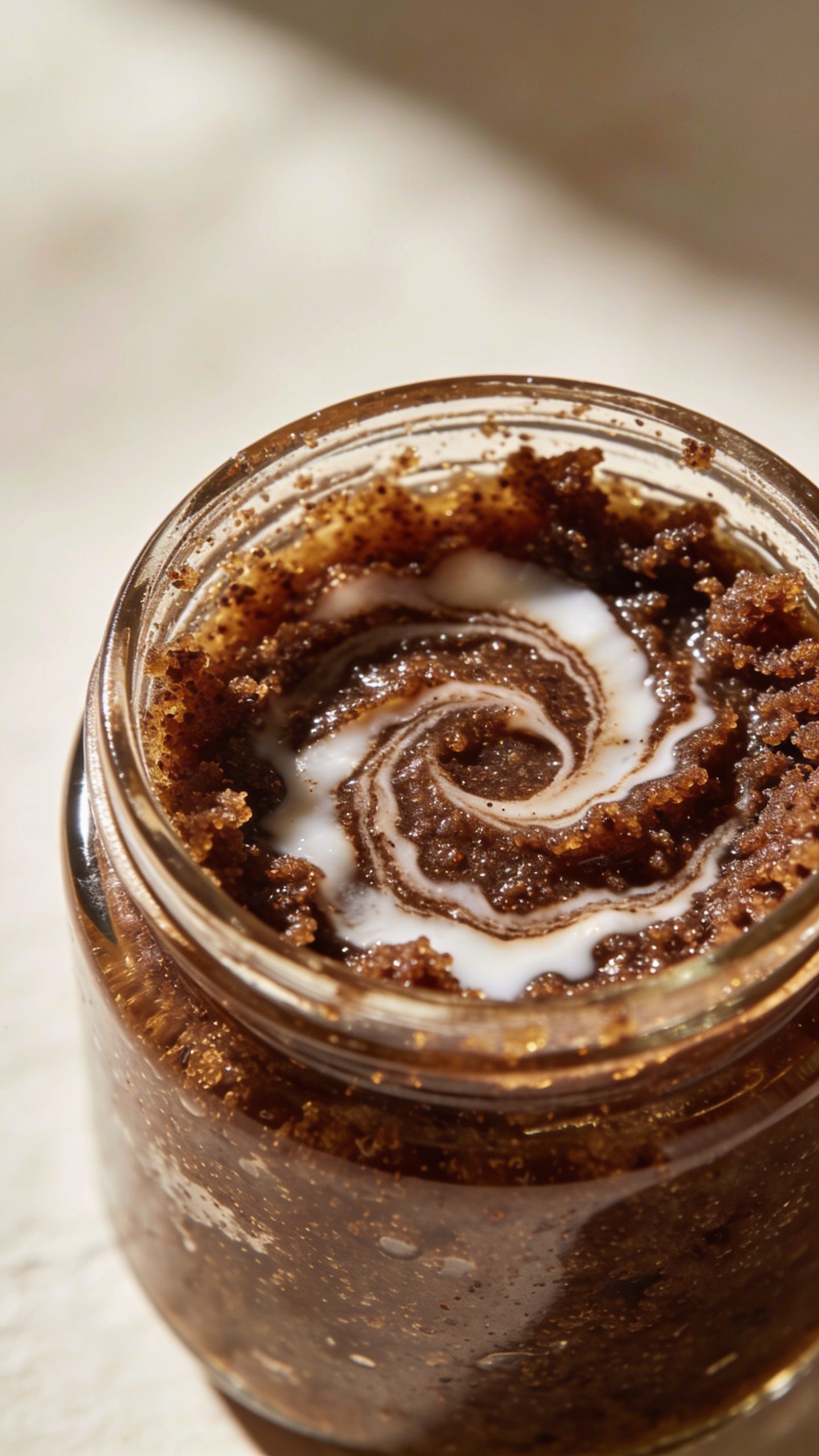
3) Coffee + Coconut Body Buff
- 1/4 cup used coffee grounds (squeeze out extra water)
- 2 tbsp coconut oil, softened
- 1 tbsp brown sugar
Use on legs before shaving for silky results. Smells like a café. Don’t use this on your face—coffee grounds can be too rough.
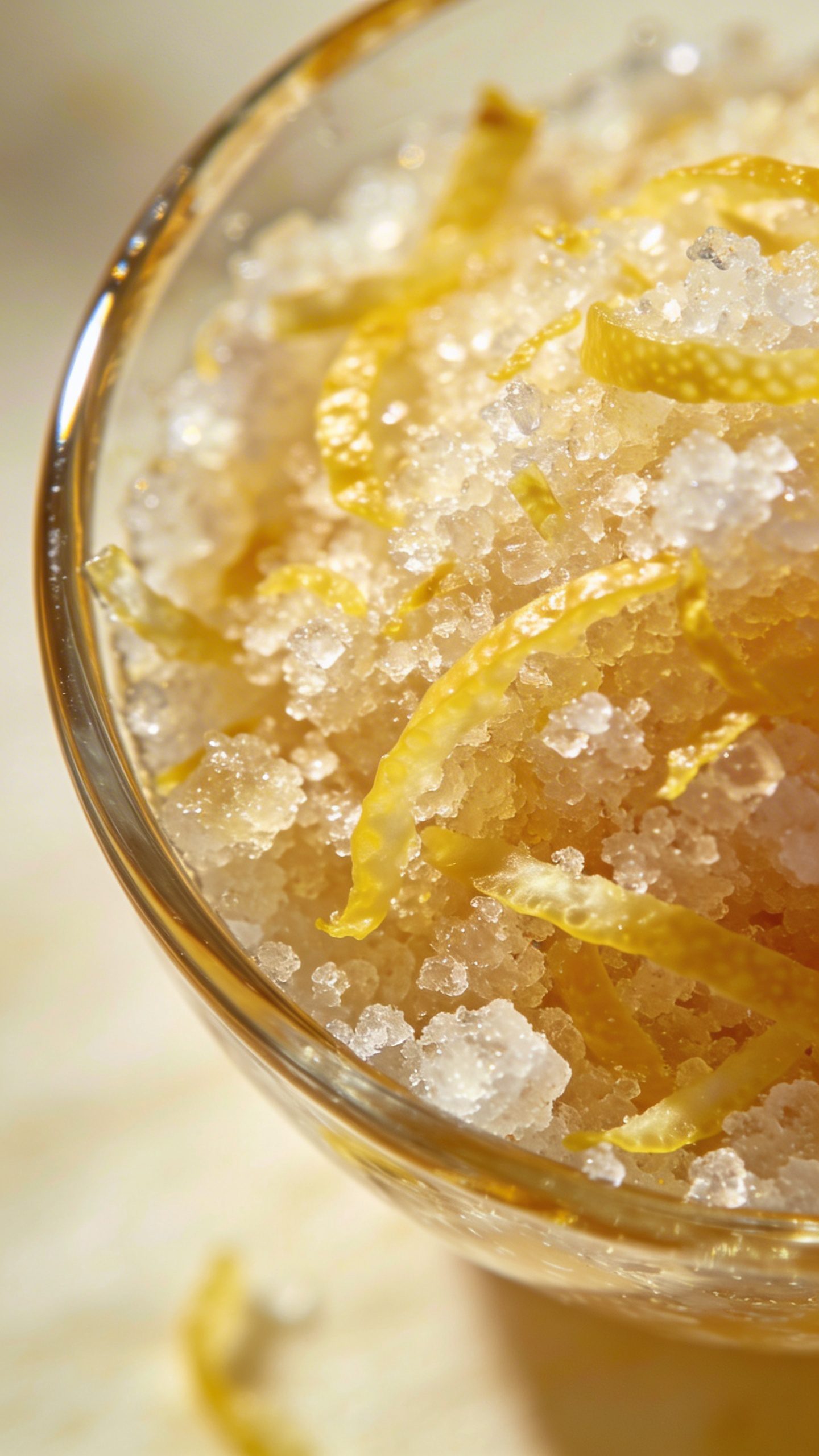
4) Sea Salt + Olive Oil Glow Scrub (Body Only)
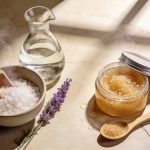
- 1/4 cup fine sea salt
- 2–3 tbsp olive oil
- Optional: 1 tsp lemon zest
Work on damp skin. Skip if you have cuts, freshly shaved skin, or you enjoy suffering.
5) Rice Flour + Jojoba Clarifying Scrub
- 2 tbsp rice flour (very fine)
- 1–2 tsp jojoba oil
- 1 tsp green tea (finely ground) or matcha
Great for T-zones. Massage lightly, rinse, and follow with a lightweight moisturizer.
How to Use a Scrub Without Annoying Your Skin
Technique matters. You can make the best scrub and still overdo it—ask me how I know.
Do this:
- Wet your skin first—damp skin = less friction
- Use light, circular motions for 30–90 seconds
- Rinse with lukewarm water (not hot)
- Pat dry and apply moisturizer or body oil
Avoid this:
- Scrubbing daily (2–3 times a week is plenty for most, 1–2 for sensitive skin)
- Using salt scrubs on freshly shaved or irritated skin
- Adding citrus juice on active acne or broken skin (sting city)
- Essential oils without proper dilution (IMO, skip them on your face)
Patch Test Like You Mean It
Dab a little mixture on your inner forearm and wait 24 hours. If your skin throws a tantrum, adjust or ditch that ingredient. Your barrier will thank you.
Oils, Add-Ins, and What They Actually Do
You don’t need a 20-ingredient potion. But a few smart choices? Chef’s kiss.
Great base oils:
- Jojoba: Lightweight, skin-mimicking, non-greasy
- Sweet almond: Nourishing, great for body and dry skin
- Olive: Rich and protective—use less on face
- Coconut: Occlusive and yummy-smelling, but can clog pores on some faces
Helpful boosters:
- Honey: Humectant, soothing, mildly antibacterial
- Yogurt: Gentle chemical exfoliation (lactic acid)
- Green tea: Antioxidants, calms redness
- Turmeric: Brightens—use a pinch to avoid turning highlighter yellow
- Vitamin E oil: Extends shelf life slightly and adds slip
About Essential Oils (The Spicy Topic)
They smell amazing, but they can irritate, especially on faces. If you use them, keep it very dilute: 1–2 drops per 2 tablespoons of carrier oil for body scrubs; skip for face. No citrus oils before sun exposure. FYI, “natural” doesn’t mean “no consequences.”
Storage, Shelf Life, and Staying Safe
This image was AI-generated or AI-enhanced.
We love DIY, but we also love not growing petri dishes in the shower.
Keep it fresh:
- Make small batches you’ll finish in 1–2 weeks
- Store in a clean, airtight jar away from heat and direct light
- Use a clean spoon or scoop—wet fingers invite bacteria
Shelf-life vibes:
- Oil + sugar/salt scrubs: 2–4 weeks if kept dry
- Water-based or fresh add-ins (yogurt, aloe gel, fruit): Refrigerate and use within 3–5 days
- If it smells weird, separates oddly, or changes color, retire it. We had a good run.
Make It a Ritual (That You’ll Actually Stick With)
Scrubs work best when you don’t turn them into a chore. Pick two days a week you already shower longer—hair wash days, maybe? Keep your jar where you’ll see it. Play a song, scrub gently, rinse, moisturize. Tiny habit, big glow-up.
FAQ
How often should I scrub my face and body?
Most people do great with 1–2 times per week for the face and 2–3 times per week for the body. If you use retinoids, acids, or your skin feels irritated, scale back. Over-exfoliation makes skin dull, tight, and cranky.
Can I use coconut oil on my face?
You can, but many people find it comedogenic, especially if they’re acne-prone. If you want a safer bet, try jojoba or squalane for face scrubs. Use coconut oil on the body where pores don’t riot as easily.
Are salt scrubs too harsh?
Fine sea salt works great on the body, especially rough patches. It’s usually too intense for the face, though. If your skin stings or turns red, switch to sugar or oats.
Do DIY scrubs replace chemical exfoliants?
Not necessarily. Physical scrubs smooth texture on the surface, while chemical exfoliants (like AHAs and BHAs) work deeper. You can use both—just not on the same day, unless you enjoy living dangerously.
What if I have acne or rosacea?
Go extra gentle or skip physical scrubs on active, inflamed areas. Try soothing options like oat + honey, or lean on chemical exfoliants recommended by your derm. When in doubt, patch test and keep it minimal.
Can I add essential oils for scent?
Yes, in tiny amounts for body scrubs. Stick to skin-friendly options like lavender or chamomile. Avoid citrus before sun and avoid essential oils on the face, IMO.
Conclusion
DIY scrubs keep things simple, affordable, and customizable—basically the holy trinity of skincare. Pick your exfoliant, mix a comfy base, and add one or two boosters. Keep your batches small, your pressure light, and your routine consistent. Your shower turns into a mini spa, your skin thanks you, and your wallet breathes a sigh of relief. Win-win, right?
This image was AI-generated or AI-enhanced.