Ready to build a bouquet that makes people stop mid-scroll and ask, “Wait, where did you get that?” You don’t need a floral design degree—just a few clever ideas and the right stems. These five approaches deliver style, symbolism, and staying power without the stress. Grab your clippers, queue your favorite playlist, and let’s make something gorgeous.
1. Tell A Story With Symbolism (Flowers That Actually Mean Something)
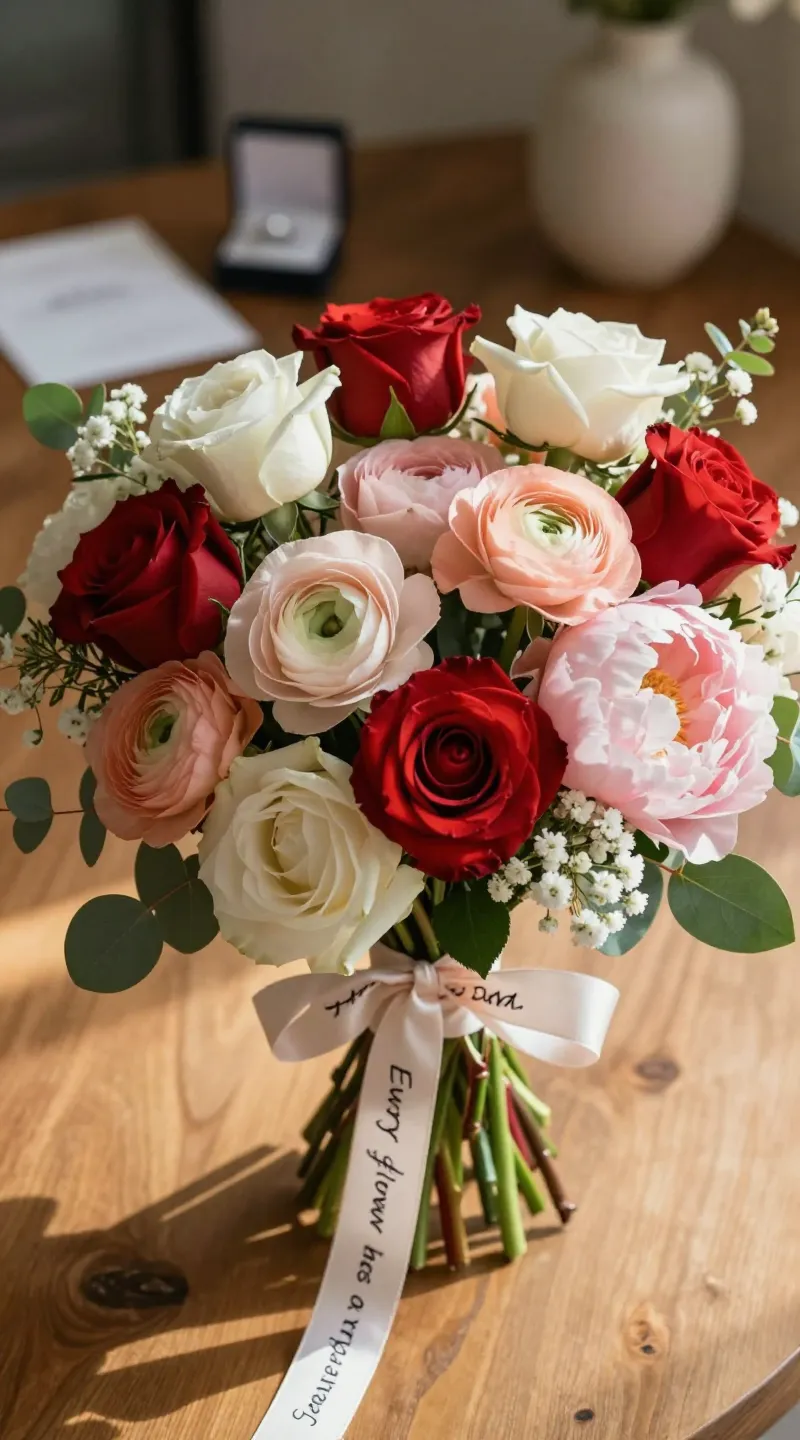
If you want a bouquet that hits feelings, not just aesthetics, lean into the language of flowers. Every bloom carries a story, and combining them thoughtfully creates a personal message. It’s romantic, expressive, and seriously memorable—perfect for weddings, proposals, or “I’m sorry I ate your leftovers” situations.
Meaningful Blooms To Mix:
- Roses: Love and admiration (pink for gratitude, red for romance, white for new beginnings)
- Ranunculus: Radiant charm—aka “you light up every room”
- Peonies: Prosperity and happy marriage vibes
- Sweet Peas: Blissful pleasure and delicate beauty
- Anemones: Protection and anticipation (moody centers = instant drama)
- Eucalyptus: Healing and clarity—plus it smells like a spa
Pick 3–5 blooms that match your message and stick to two or three colors to keep things cohesive. Then add greenery that supports your story—think olive branches for peace or rosemary for remembrance.
Quick Tips:
- Create a mini “legend” card explaining the meanings—so cute for gifts.
- Balance bold meanings (like red rose romance) with softer ones (like white lisianthus for gratitude).
- Use fragrant herbs sparsely so they accent, not overwhelm.
Use this approach when you want your bouquet to speak for you—anniversaries, apologies, or milestones where the vibes matter.
2. Go Seasonal For Texture, Color, And Budget Magic
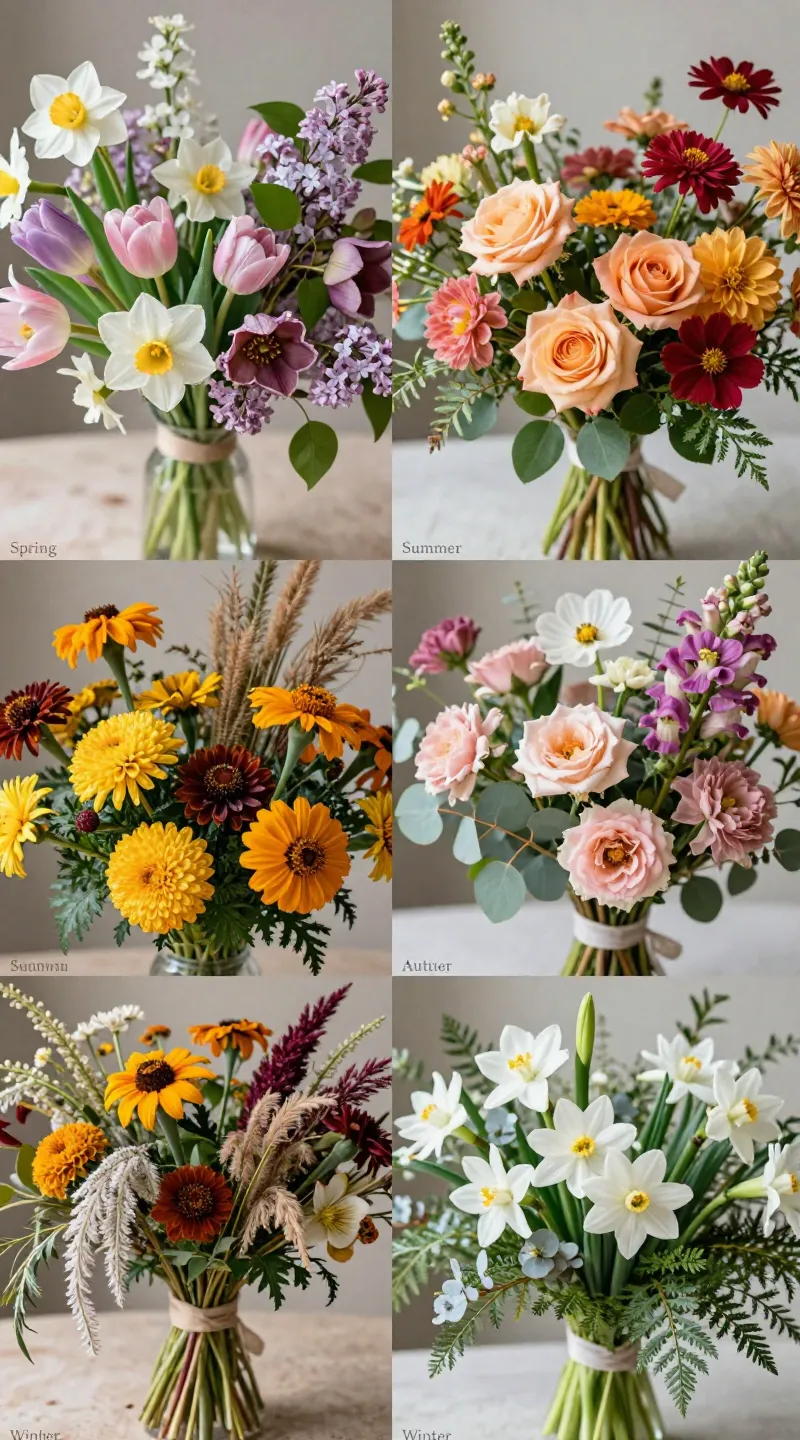
Seasonal blooms look fresher, last longer, and cost less. They also come with natural color palettes you don’t have to overthink. You’ll get better texture, more interesting shapes, and a bouquet that feels like it belongs in the moment.
Seasonal Cheat Sheet:
- Spring: Tulips, narcissus, hellebores, lilac, spirea, ranunculus
- Summer: Garden roses, dahlias, zinnias, cosmos, snapdragons, eucalyptus
- Autumn: Chrysanthemums, marigolds, rudbeckia, amaranthus, smokebush, grasses
- Winter: Paperwhites, anemones, camellias, ilex berries, magnolia leaves, pine
Build around one seasonal “hero” bloom, then layer supporting flowers and greenery. Add one unexpected texture—berries, pods, or trailing vines—to keep it interesting.
Pro Moves (IMO, these save the day):
- Let the season guide your color story: soft pastels in spring, saturated hues in summer, earthy tones in fall, crisp neutrals and reds in winter.
- Ask your florist what’s “peak” this week—those stems will look and perform best.
- Mix in locally grown stems for better scent and unique varieties.
Perfect for events and gifts when you want high impact without the high price or sourcing stress. Seasonal always wins.
3. Nail The Shape: From Hand-Tied To Asymmetric Chic
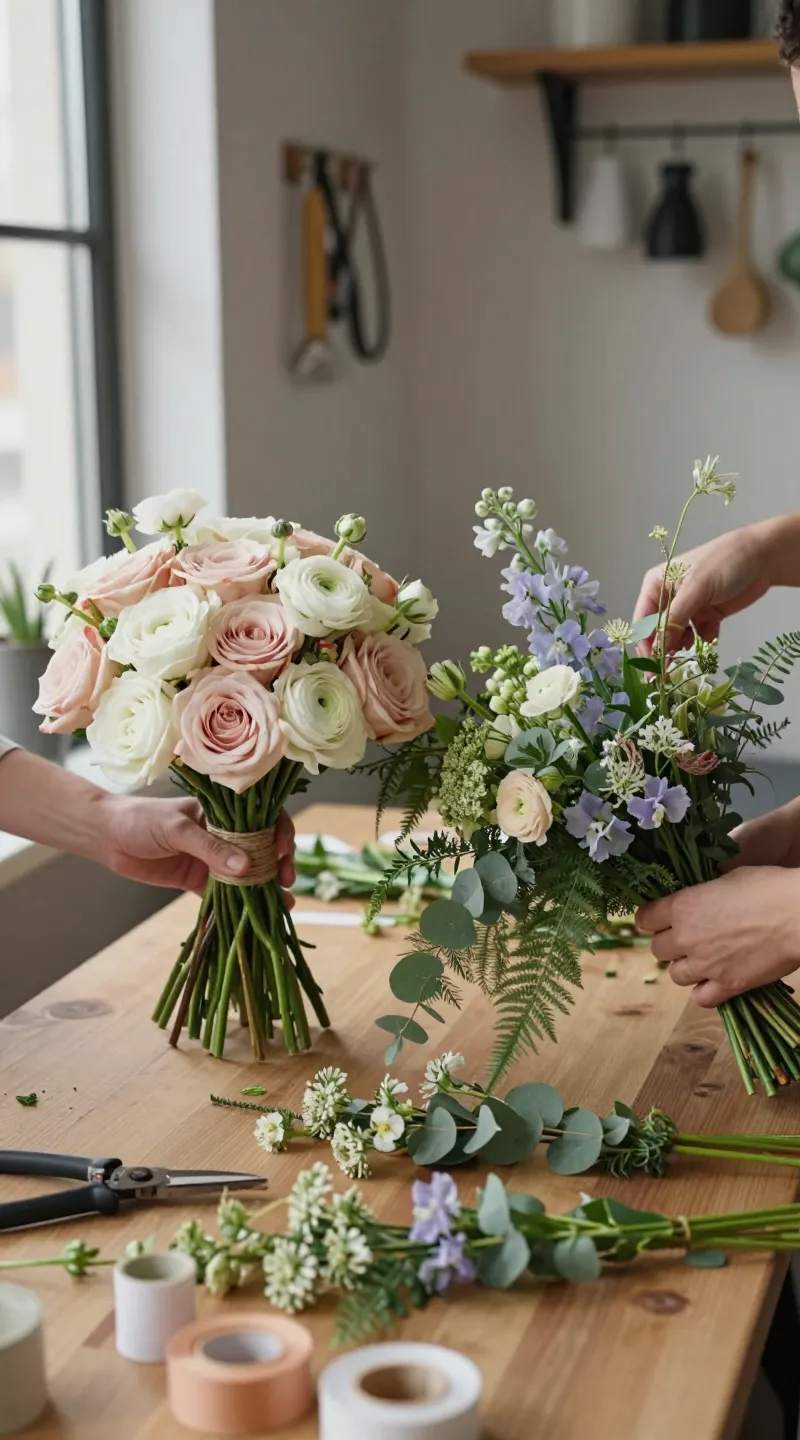
Shape turns a bunch of flowers into a bouquet with a point of view. Choose a silhouette that fits the moment—structured and neat for classic elegance, loose and airy for modern romance. Once you pick your shape, arranging gets a lot easier, trust me.
Popular Shapes And How-To:
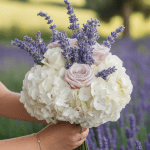
- Round Hand-Tied: Symmetrical, compact, timeless. Build a focal cluster (roses, ranunculus), spiral stems as you add, and rotate the bouquet while you work.
- Garden-Gathered: Loose and organic. Start with greenery, add airy stems (cosmos, sweet peas), then nestle focal blooms off-center for a “fresh from the garden” feel.
- Asymmetric: Editorial and modern. Create a line with branches or grasses, place focal blooms low and to one side, and let a few stems trail.
- Crescent: Soft and romantic. Use flexible greens (smilax, Italian ruscus) to sketch a moon shape, then tuck blooms into the curve.
Tools That Help:
- Floral tape or twine for hand-tied spirals
- Floral shears—no kitchen scissors, please
- Chicken wire or a flower frog for vase arrangements
Pick a shape that matches the setting—round for formal spaces, asymmetric for modern tables, and garden-gathered for outdoor or boho vibes.
4. Build A Palette With Intention (Color Combos That Always Work)
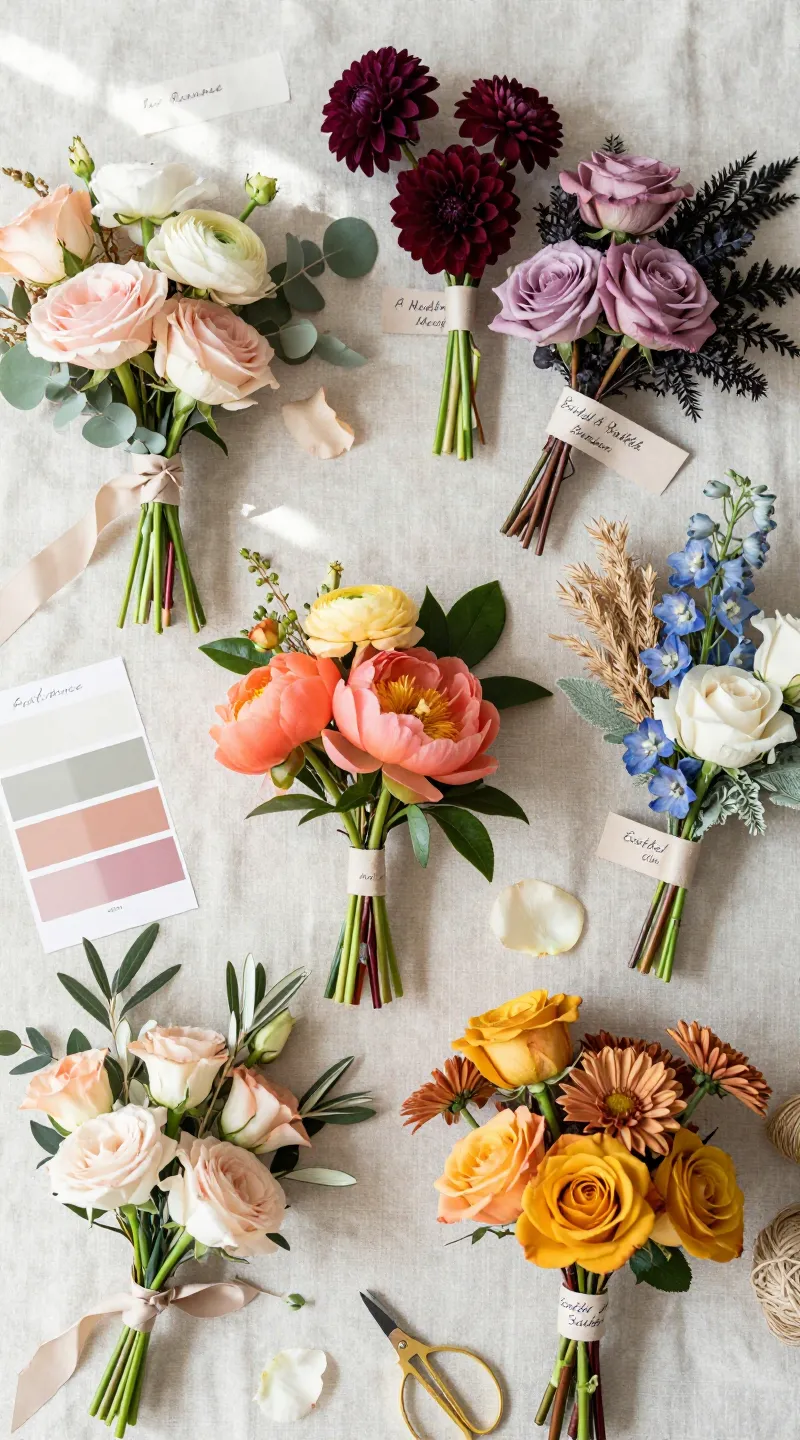
Color makes people feel things instantly, so use it strategically. You don’t need a rainbow to make a statement—limit your palette and let tone do the heavy lifting. Start with one hero hue, add a supporting shade, then sprinkle in a neutral or two.
Foolproof Palettes:
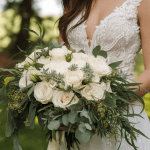
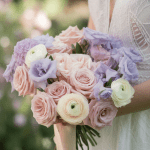
- Soft Romance: Blush, buttercream, warm white, eucalyptus green
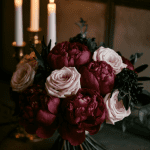
- Modern Moody: Burgundy, plum, mauve, charcoal foliage
- Citrus Pop: Coral, tangerine, lemon, glossy greens
- Coastal Calm: Dusty blue, ivory, sand, sage
- Earthy Sunlit: Mustard, terracotta, cream, olive
Play with value (light vs. dark) and finish (matte petals vs. glossy leaves) to create depth. Repeat colors across different flower types to tie everything together.
Color Tips:
- Use white or soft beige as a buffer when bold hues clash.
- Stick to two main colors plus one accent—clean and intentional.
- Match vase tone to the palette: clear or ceramic for light palettes, smoky glass or metal for moody ones.
Dial this in when you need the bouquet to complement outfits, event decor, or brand colors. A tight palette looks designer-level without trying too hard.
5. Layer Texture And Scent For Maximum Vibe
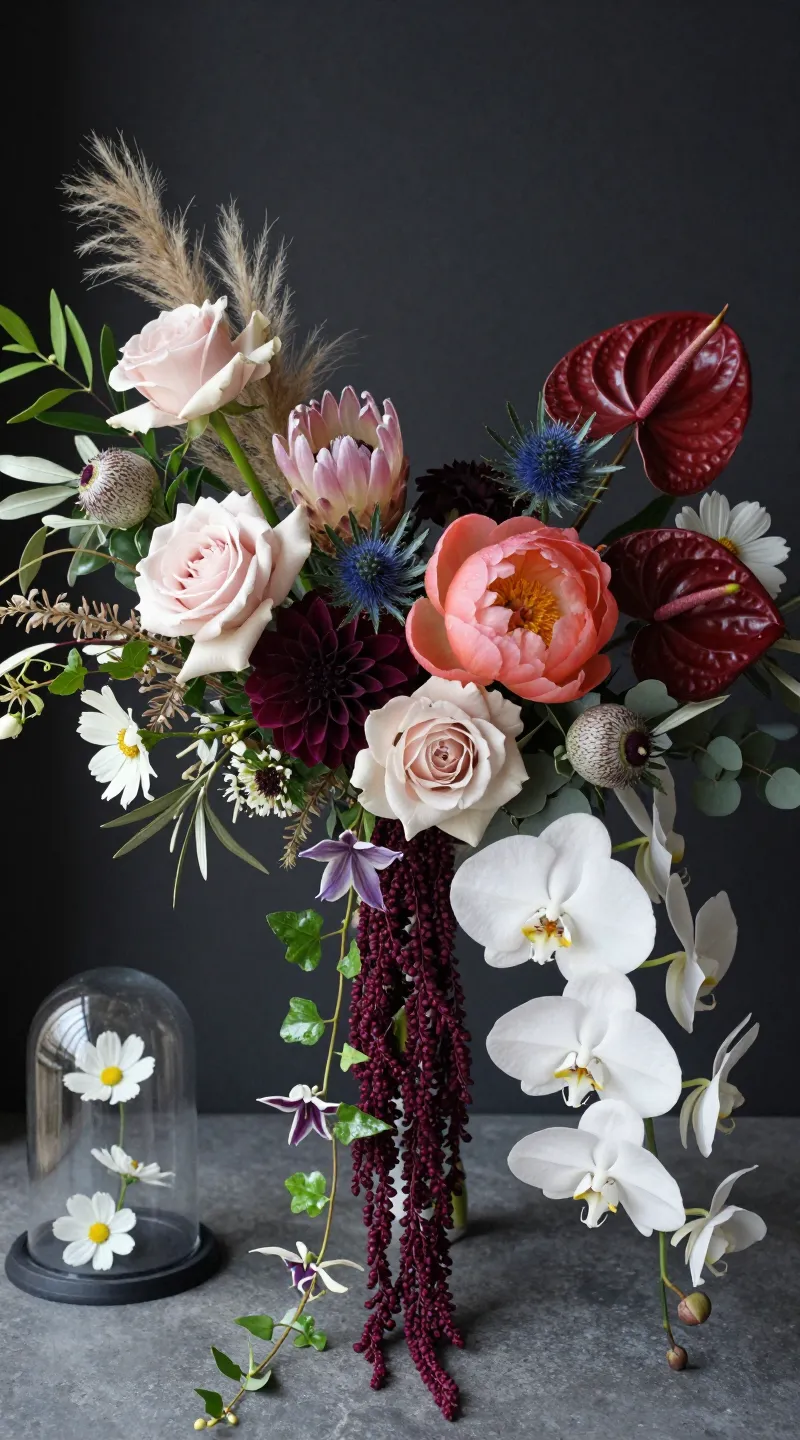
Texture gives your bouquet dimension, and scent turns it into a full experience. Combine velvety petals, feathery filler, and a few graphic shapes, then add fragrance notes with restraint. The result feels lush and intentional—never messy.
Texture Mix-And-Match:
- Focal: Garden roses, peonies, dahlias, protea
- Airy: Astrantia, nigella, cosmos, plume grass
- Structural: Thistle, scabiosa pods, orchids, anthurium
- Trailing: Jasmine vine, clematis, ivy, amaranthus
- Greenery: Ruscus, olive, eucalyptus, magnolia
Scent Strategy (seriously, don’t overdo it):
- Top Notes: Citrus foliage, lemon basil
- Heart Notes: Garden roses, sweet pea, freesia
- Base Notes: Rosemary, bay, cedar tips
Group scented stems so the aroma feels intentional, not chaotic. Keep heavy scents away from dining tables—nobody wants rose perfume in their risotto.
Care And Longevity FYI:
- Strip leaves below the waterline and give stems a fresh diagonal cut.
- Use clean water with flower food. Change every 1–2 days.
- Keep bouquets cool, out of direct sun, and away from fruit bowls (ethylene gas = sad petals).
Use texture and scent layering when you want the bouquet to feel immersive—think welcome arrangements, entry consoles, or bedside blooms that greet you in the morning.
There you go—five ways to craft bouquets that look gorgeous and mean something. Start with one idea, then mix and match until it feels like you. The best arrangements tell a story, spark a mood, and make you smile every time you walk past. Now go make something beautiful and brag-worthy.