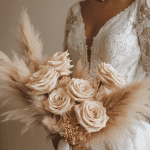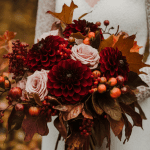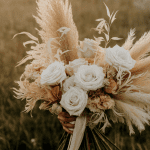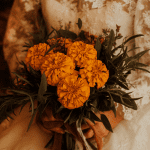
Want a bouquet that looks like you wandered through a meadow and casually nailed perfection? You can absolutely do that without a florist’s secret handshake. We’re talking effortless, natural, “I woke up like this” blooms with just enough structure to look intentional. Grab your clippers—your future self will thank you.
1. Start With a Story: Choose a Mood, Then Pick Your Palette
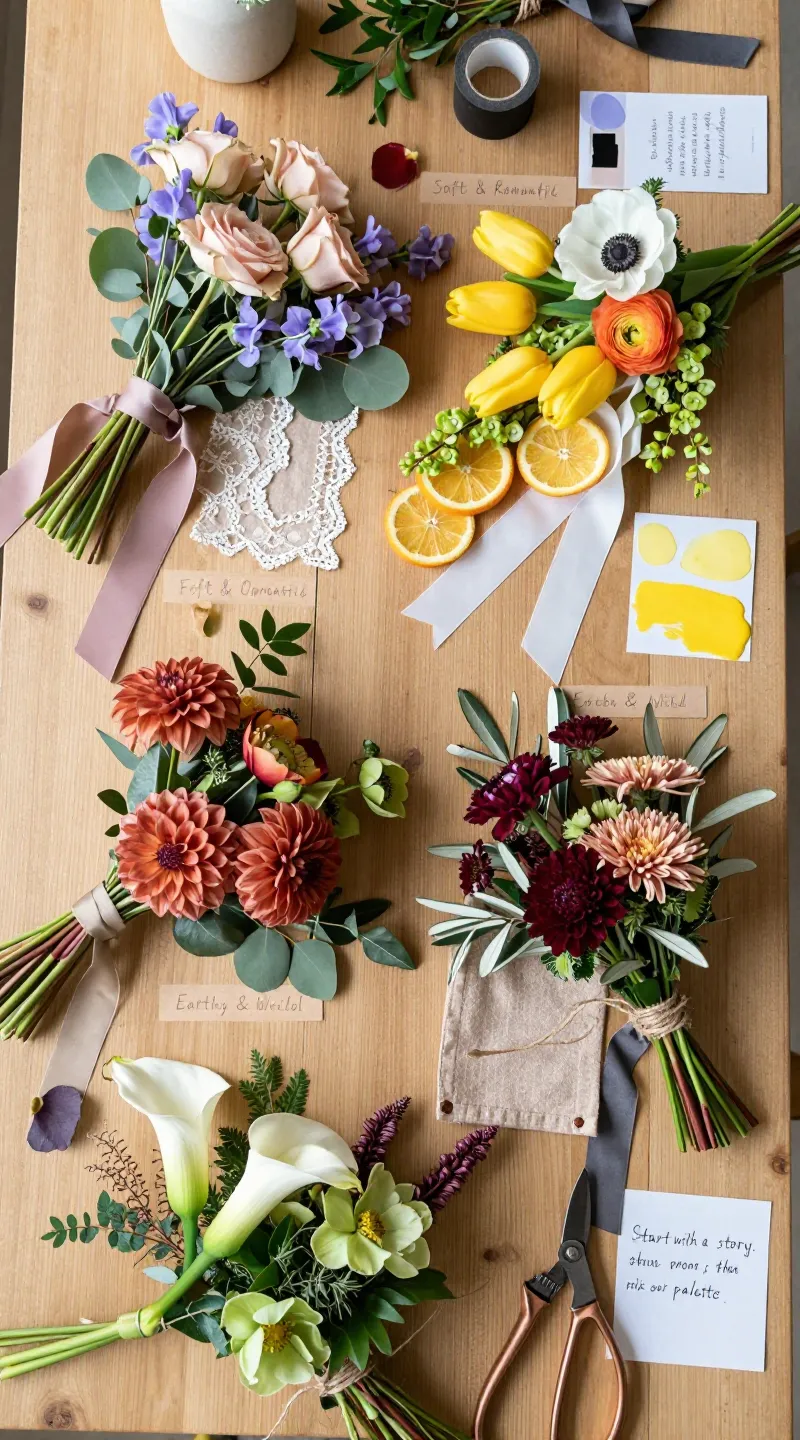
Every stunning bouquet tells a mini story. Decide on the vibe first—romantic garden party, breezy weekend brunch, moody autumn dinner—and let that guide your color choices. When you pick a mood and palette, everything else clicks into place.
Palette Ideas That Never Miss
- Soft & Romantic: blush, cream, dusty lavender, sage
- Fresh & Cheerful: lemon, white, coral, spring green
- Earthy & Wild: terracotta, rust, burgundy, olive
- Modern Minimal: white, green, a touch of smoke or mauve
Anchor your palette with two main colors and one accent. Then add greenery as your neutral—green always plays nice. FYI, limiting colors keeps it chic and keeps your bouquet from looking like a confetti cannon.
Quick Tips
- Pick a “hero” flower that matches the mood—garden roses for romance, ranunculus for charm, anemones for drama, sunflowers for cheer.
- Use supporting blooms to bridge colors—think waxflower, sweet peas, or spray roses.
- Repeat colors in at least three places to create visual rhythm.
Set the tone early and your bouquet looks intentional, not chaotic. Perfect for weddings, birthdays, or “I bought myself flowers because I’m fabulous.”
2. Forage Smart: Mix Focal Blooms, Fillers, And Foliage Like A Stylist
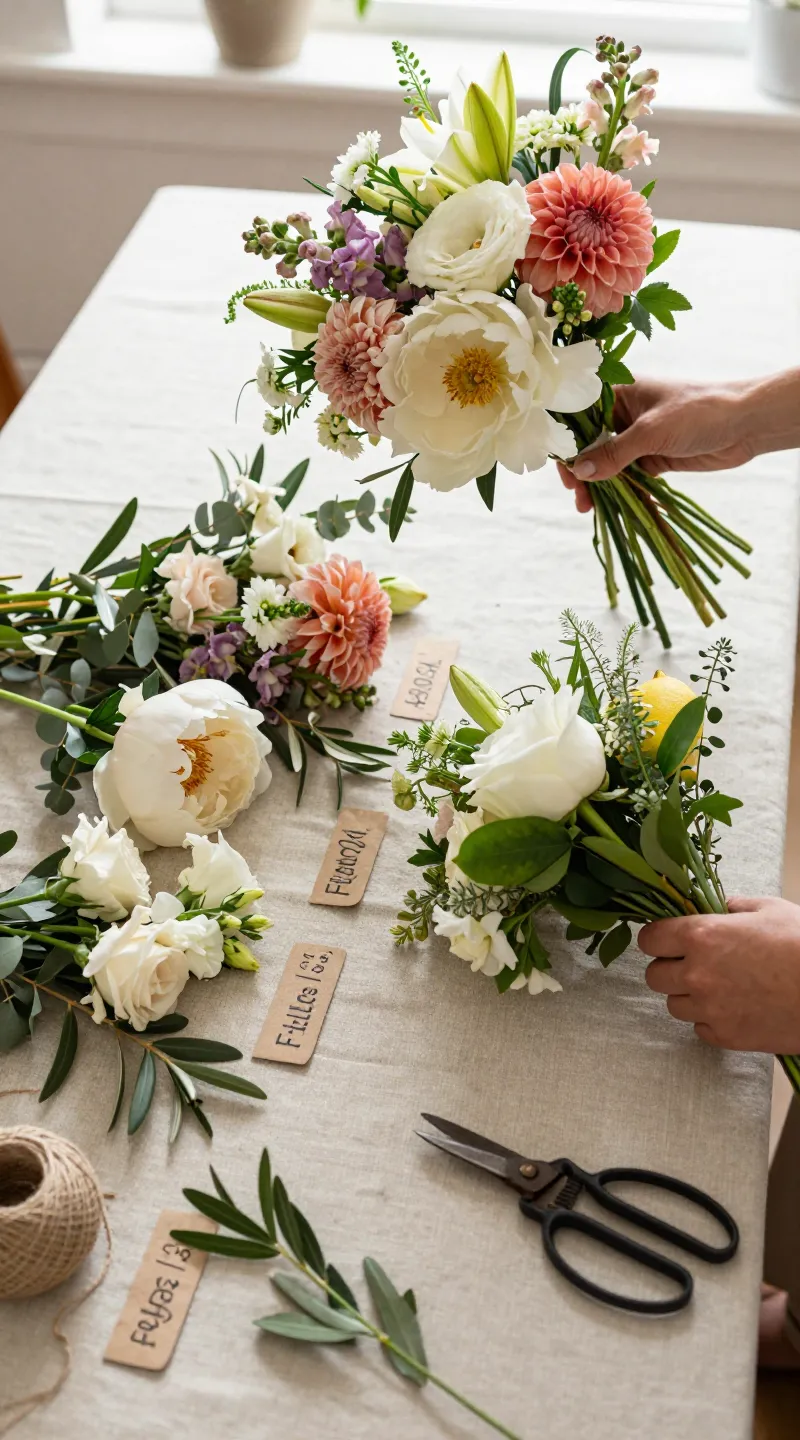
The prettiest natural bouquets look gathered, not manufactured. You get that by mixing three types: focal flowers, textural fillers, and foliage. It’s the floral equivalent of outfit styling—statement piece, basics, and great accessories.
The Magic Ratio
- Focals (30%): Big faces like peonies, dahlias, garden roses, lilies.
- Fillers (40%): Smaller blooms that connect the dots—stock, snapdragons, scabiosa, lisianthus.
- Foliage (30%): Shape and softness—eucalyptus, olive, ruscus, lemon leaf, herbs.
Want movement and that wild, airy vibe? Add “floaters” like ranunculus, butterfly delphinium, or astrantia. They poke out just enough to look alive, not stiff.
Shopping and Foraging Checklist
- Grab a mix of bloom sizes: large, medium, small, and delicate.
- Pick at least two types of greenery for depth (e.g., seeded eucalyptus + olive).
- Snip a few branches from your yard—rosemary, thyme, or ferns add heavenly scent.
This blend gives your bouquet character and movement. Use it for casual dinner parties or a “welcome home” arrangement that looks straight out of a lifestyle magazine.
3. Build The Shape: Spiral-Stem Technique For That Effortless Look
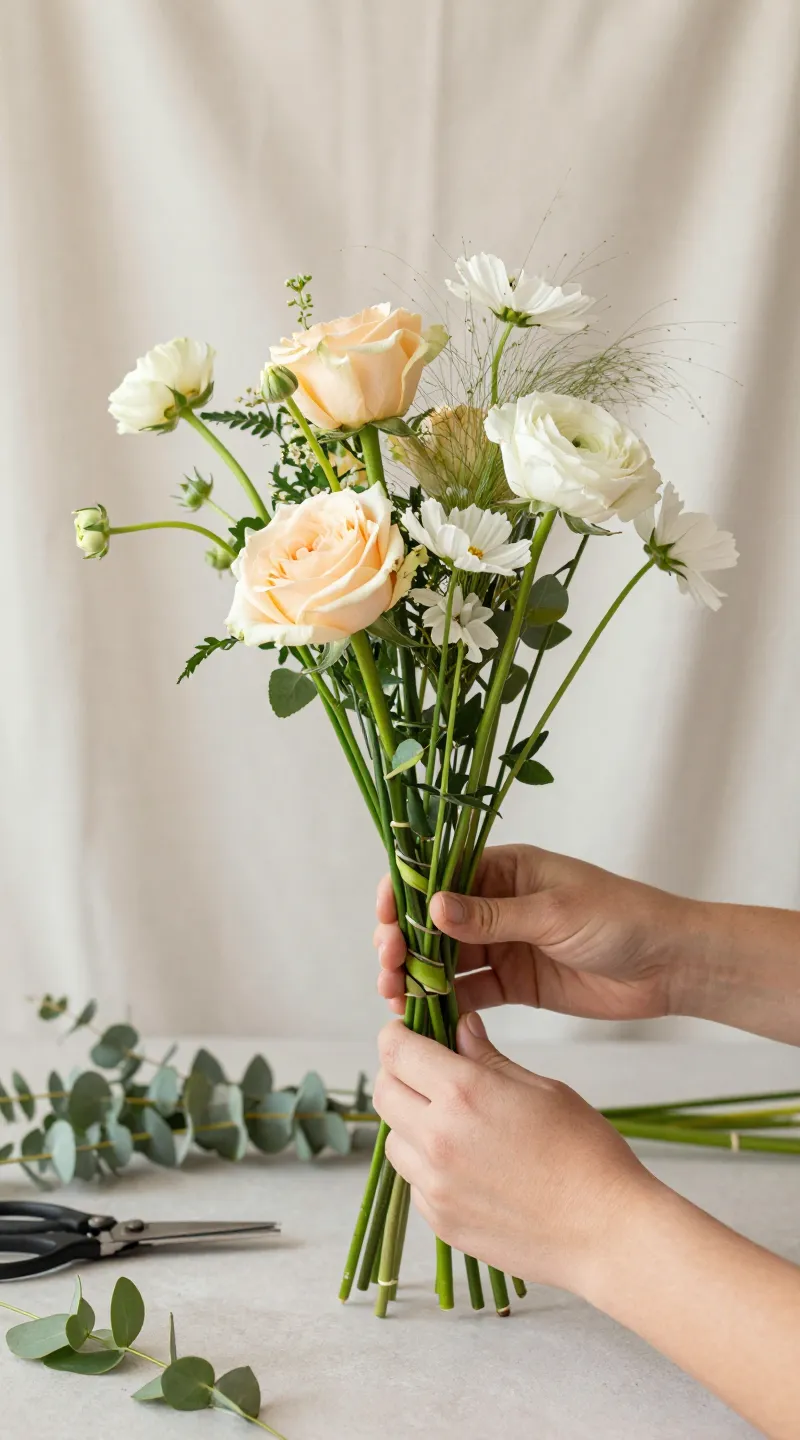
Here’s where the magic happens. A loose, natural bouquet needs a soft, asymmetric silhouette—think “gentle hourglass” or “windswept meadow.” The spiral-stem method keeps everything airy and balanced without a wrestling match.
How To Spiral Without Tears
- Prep: Strip leaves below where your hand will sit. Trim stems at an angle.
- Base: Start with a collar of greenery in your non-dominant hand.
- Add on an angle: Place each stem diagonally so all stems angle the same direction—this creates the spiral.
- Alternate sizes: Insert a focal, then a filler, then more foliage. Rotate the bouquet a quarter-turn each time.
- Create height: Add a few taller stems off-center—like snapdragons or delphinium—for that wild, lifted feel.
- Edit: Step back, squint (seriously), and adjust anything heavy or flat.
Shape Options You’ll Love
- Loose Dome: Soft and rounded with a few airy floaters—great for birthdays.
- Asymmetric S-Shape: One side higher, one side trailing—perfect for centerpieces and photos.
- Garden Cascade: Let ivy, jasmine, or amaranthus trail—romantic and dramatic.
Tie off with floral tape or twine when you love the shape. This method works for handheld bouquets or to drop into a vase. IMO, once you nail the spiral, you’ll never go back.
4. Texture Is Everything: Mix Petal Types, Shapes, And Scents
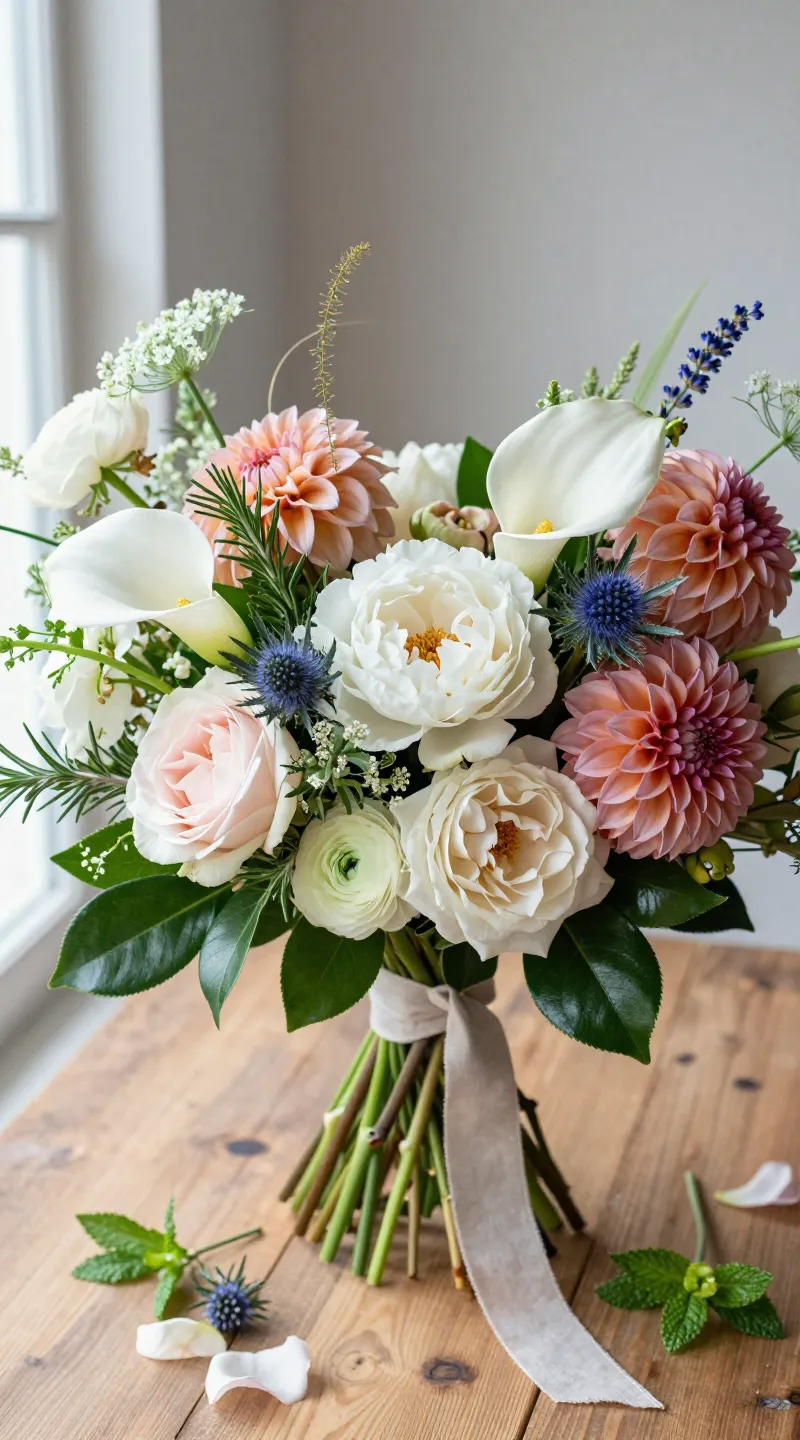
Color gets attention, but texture keeps it. The prettiest natural bouquets layer ruffles, velvets, and airy bits so your eye keeps exploring. You’re not making a color block; you’re crafting a tiny ecosystem.
Texture Combos That Slap (In A Classy Way)
- Ruffled + Sleek: Garden roses with calla lilies for contrast.
- Airy + Grounded: Queen Anne’s lace with dahlias.
- Soft + Spiky: Ranunculus with thistle or veronica.
- Matte + Glossy: Peonies with camellia leaves or magnolia.
Add herbs or fragrant elements for the sensory win—mint, lavender, lemon verbena. You’ll get side-eye from strangers sniffing your bouquet, but it’s worth it.
Placement Tips
- Cluster two or three of the same bloom for impact, then repeat that cluster elsewhere.
- Layer textures in micro-zones—ruffle next to sleek, airy next to solid.
- Use airy filler as “connective tissue” between heavy blooms.
Texture elevates even grocery store flowers into something luxe. Use this when you want your bouquet to photograph beautifully—engagements, showers, or “I have excellent taste” moments.
5. Finish Like A Pro: Clean Stems, Hydration, And Styling Tricks
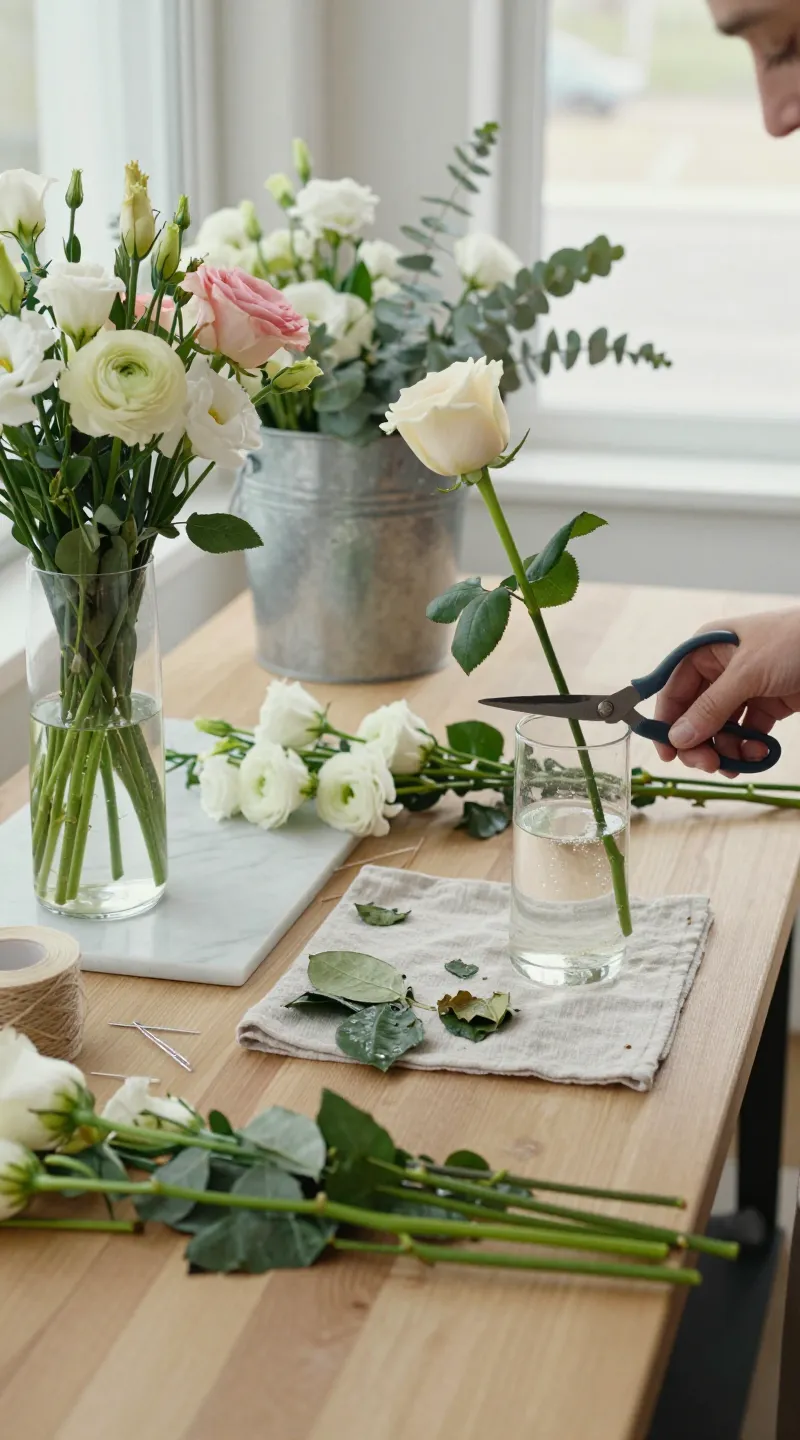
The difference between “pretty” and “who did you hire?” comes down to finishing. A few strategic moves keep flowers fresh and make the whole thing look polished. Don’t skip this—you’ve already done the hard part.
Prep And Care
- Hydrate: Give stems a fresh diagonal cut. Pop them in clean water with flower food for an hour before arranging if you can.
- De-leaf: Remove leaves below the waterline to prevent bacteria.
- Condition: Keep flowers cool and out of direct sun while you work.
Secure And Style
- Tie-off: Wrap the binding point with floral tape, then cover with ribbon, twine, or a silk scarf for a soft finish.
- Final Trim: Cut stems to a uniform length if handheld; for a vase, trim to 1.5–2 times the vase height.
- Vase Hack: Use a tape grid or a flower frog to lock stems while keeping that natural look.
Longevity Boosters
- Change water daily, add fresh cuts, and remove any sad-looking blooms.
- Keep away from fruit—the ethylene gas ages flowers fast.
- Mist petals lightly if the room feels dry.
These steps protect your hard work and stretch the bouquet’s lifespan. Great for events, gifting, or treating yourself to flowers that last all week, FYI.
Ready to create something gorgeous? You’ve got the palette, the stem mix, the shape, the texture, and the finishing tricks. Go play with flowers, make a tiny mess, and enjoy the compliments that will absolutely roll in—because this bouquet? It’s a showstopper.