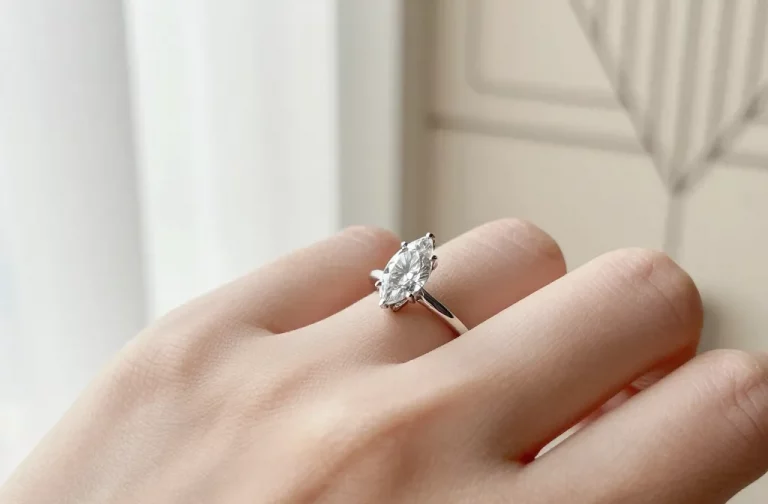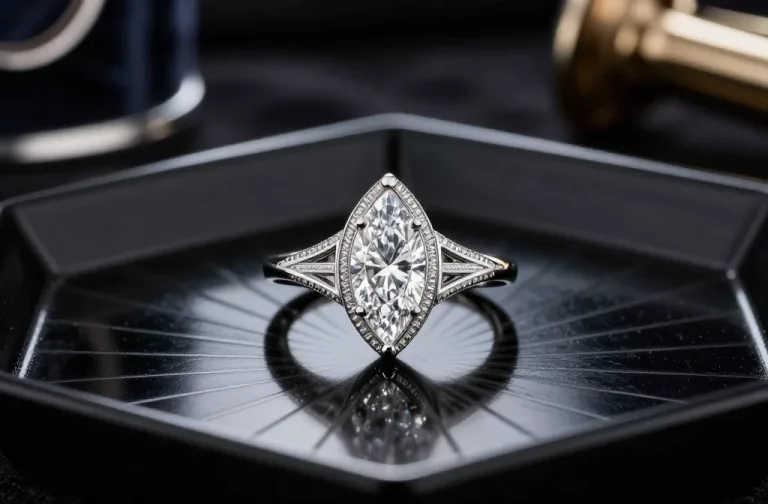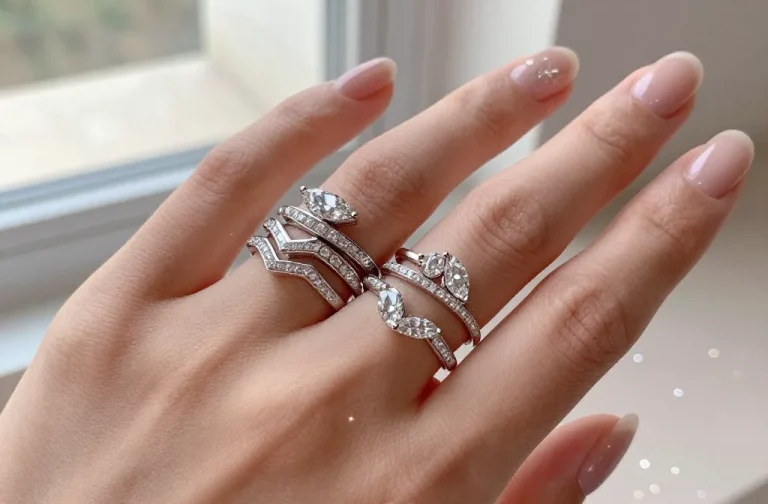
You want a ring that looks like it waltzed straight out of a black-and-white movie, but you’re torn between cushion cut and teardrop (aka pear). Classic problem. Both bring major vintage vibes, both look insanely romantic, and both can totally change the personality of your hand. So which one deserves the honor of living rent-free on your finger forever? Let’s break this down—no snoozy gem talk, just the good stuff.
The Vibe: Soft Romance vs. Old-Hollywood Drama
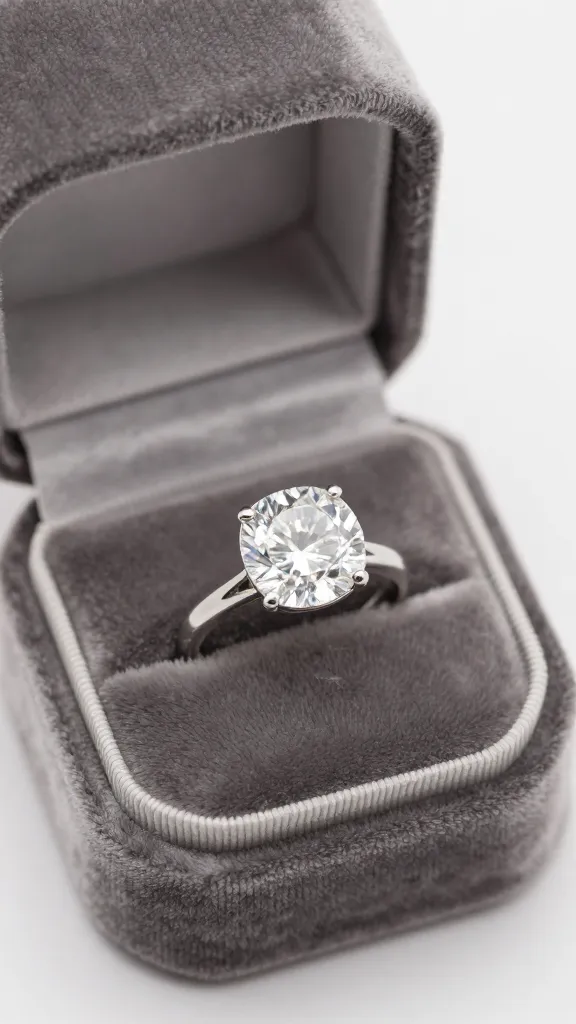
Cushion cuts feel like a love letter from the 1920s. Their rounded corners and pillowy shape give off soft, candlelit energy. They look lush, warm, and quietly glamorous.
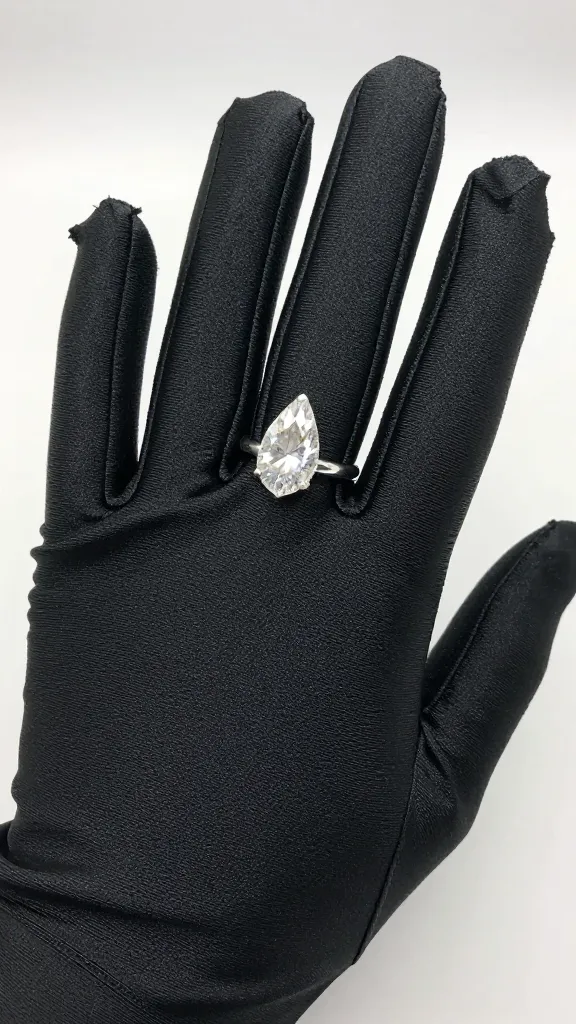
Teardrop cuts? Total leading-lady drama. The pointed tip plus rounded base creates movement and a little attitude. It feels vintage in a bolder, more fashion-forward way—like a retro starlet who also rides a Vespa. IMO, both hit vintage, just in different lanes.
What Makes a Cut Look “Vintage,” Anyway?
When we say vintage, we’re usually talking about three things:
- Chunkier facets that give a softer, romantic sparkle
- Warmth in the metal—think yellow or rose gold
- Antique-style settings like milgrain, filigree, or halos
Why Cushion Cuts Nail It
Old mine cut diamonds from the Georgian and Victorian eras evolved into today’s cushion cut. Modern cushions still echo those chunky facets, especially in “antique-style” cushions. They throw cozy flashes, not strobe-light glitter.
Why Teardrops Still Count
Pear shapes popped up in the 1400s (shoutout to Lodewyk van Bercken, diamond nerd legend). Pair a pear with milgrain and a delicate halo, and it screams heirloom—just with a touch of modern sass.
Sparkle Personality: Fireworks vs. Candlelight
Yes, sparkle has personality. And yes, it matters.
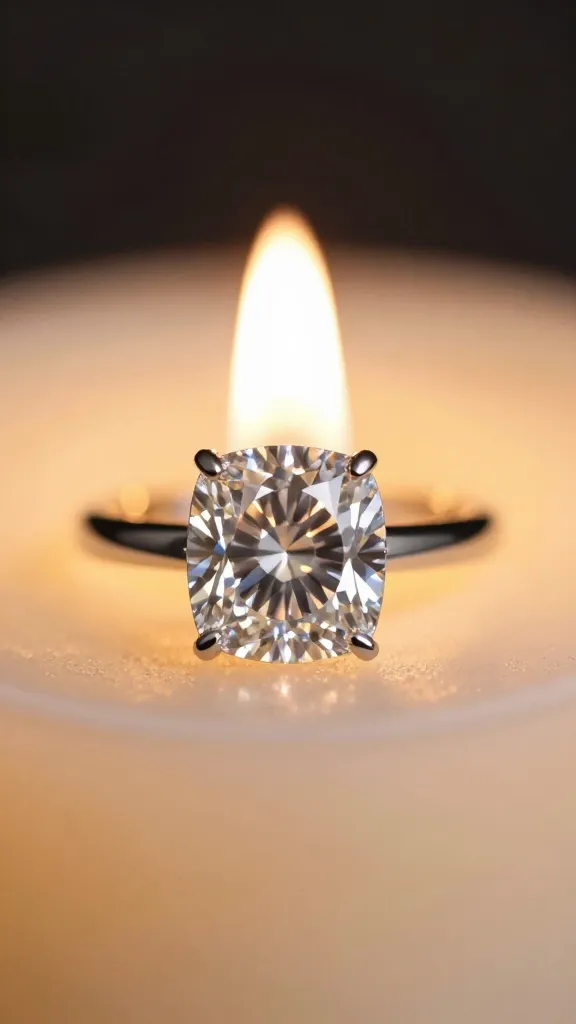
- Cushion Cut: Expect bigger flashes of light (aka “fire”). Cushions can look slightly softer or “moodier,” especially in antique-style versions. Super romantic.
- Teardrop (Pear): You get a more brilliant, full-face sparkle that feels lively. The pointed end can show contrast that makes the center look larger. Translation: eye-catching without trying too hard.
Pro Tip: Look for Symmetry
For teardrops especially, symmetry matters. You want a gentle, even curve and a well-centered point. If the shoulder on one side bulges, it’ll bug you forever. FYI, once you see lopsided pears, you can’t unsee them.
Face-Up Size and Hand Feel
Want the stone to look big? Same.
- Pears often face up larger for the same carat weight because of their elongated shape.
- Cushions tend to carry weight deeper, so they can look a touch smaller from the top—but thicker stones can look extra lush and dimensional.
Finger-Flattering Angles
– Shorter fingers? A pear worn tip-out (pointing toward the fingertip) elongates the hand beautifully.
– Love balanced shapes? Cushions center the look and play well with vintage bands.
– Stackers? Cushions can nestle into eternity bands easily. Pears look amazing with curved or chevron bands that hug the point.
Settings That Turn Up the Vintage
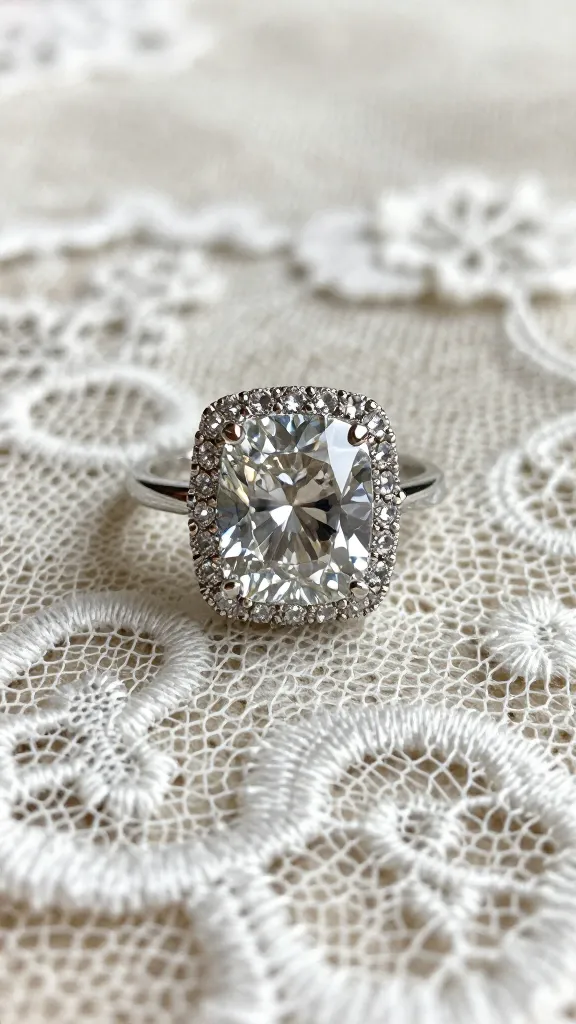
Settings do half the heavy lifting on the vintage aesthetic. Choose wisely and your ring goes from “pretty” to “just stole your grandma’s spotlight.”
Best for Cushion Cuts
- Halo with milgrain: Adds instant antique charm and increases face-up size.
- Double claw prongs: Classic and elegant—seriously levels up the look.
- Bezel with filigree: Cozy, protective, and very Edwardian romance.
- Antique-style pave shank: Delicate sparkle that won’t overpower.
Best for Teardrop Cuts
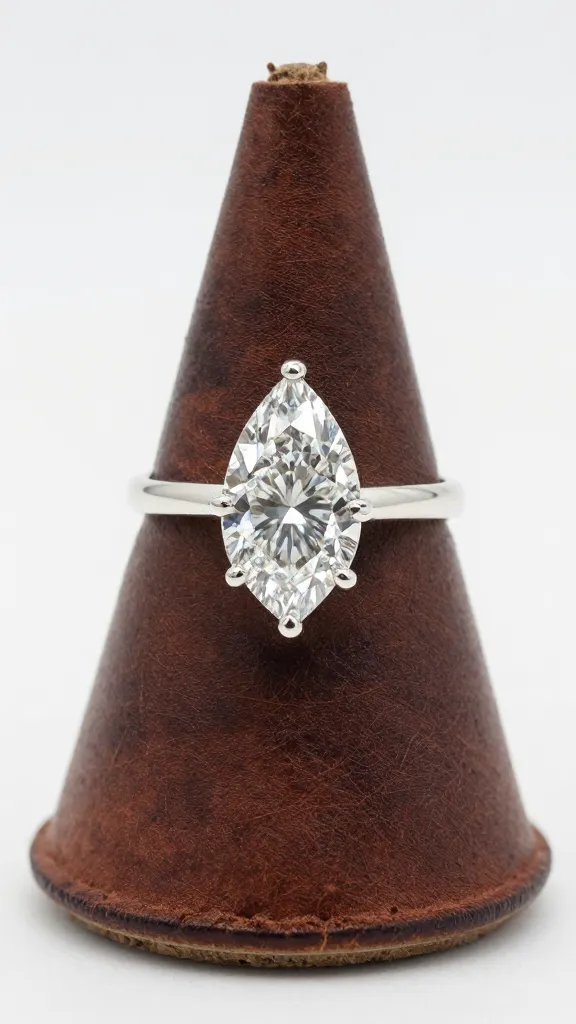
- East-west pear: Artsy and retro. Not for everyone, but when it hits, it hits.
- Halo with a tapered shank: Enhances the shape and elongation.
- V-tip prong for the point: Protects the most fragile area—non-negotiable.
- Bezel with milgrain: Peak vintage. Smooth, safe, and so chic.
Clarity, Color, and Cut: What Actually Matters
Let’s skip the gem-nerd deep dive and keep it simple:
- Clarity: Cushions hide inclusions well thanks to chunky facets. Pears hide them decently but keep the area near the point cleaner—your eye goes there.
- Color: Cushions love a little warmth and look great in yellow or rose gold. Pears look crisp in white metals but also glow in warm gold—IMO, color M+ in antique cuts with yellow gold can look dreamy.
- Cut Quality: Huge. For cushions, ask if it’s “crushed ice” vs. “chunky”—chunky reads more vintage. For pears, check bow-tie effect—a subtle bow-tie is fine; a big dark stripe is not.
Numbers That Help (But Don’t Obsess)
– Pear length-to-width: 1.45–1.6 looks classic and balanced for vintage styles.
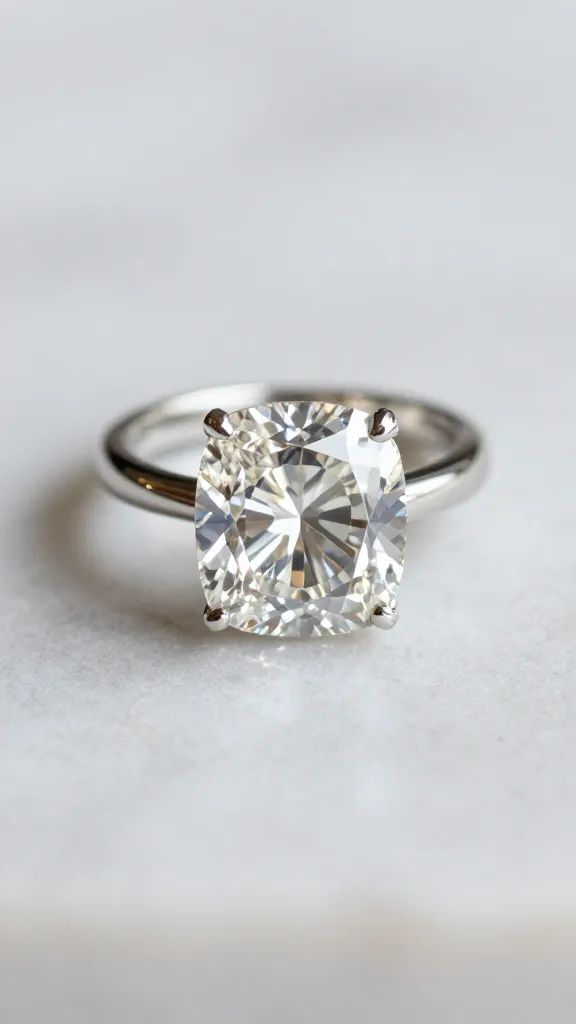
– Cushion depth/table: Mid-60s depth and ~58–64 table often balance brightness and fire.
– Always look at videos and real photos. Numbers don’t tell the whole story. Ever.
Durability and Daily Life
You want heirloom vibes, not heirloom fragility.
- Cushion: Rounded corners make chipping less likely. Great daily driver.
- Pear: The point needs protection—use a V-prong or bezel. Be mindful around sweaters and hair, unless you love snagging (you don’t).
Cleaning and Care
– Use gentle dish soap and a soft brush weekly.
– Ultrasonic cleaners can be fine, but check the setting first if you have pave.
– Get prongs checked yearly. Your future self will thank you.
Budget Talk (Because, Reality)
Generally, pears can offer better value per carat than rounds and sometimes cushions. If you want presence without blowing the budget, a pear in a vintage halo can look massive for the money.
Cushions vary wildly depending on facet style. Antique-style cushions can command a premium because, well, they look stunning and everyone knows it.
How to Decide If You’re Still Torn
If you’re paralyzed by choice, try this quick gut-check:
- Picture your ring with a tiny art-deco halo and milgrain. Which shape pops into your head first?
- Do you prefer symmetrical, soft shapes (cushion) or asymmetry with attitude (pear)?
- Do you want a ring that elongates your finger (pear) or one that sits like a glowing pillow of light (cushion)?
Still split 50/50? Try both on, take photos in trash lighting (office fluorescents), and see which one stays magical. FYI, the right ring looks good even on a Tuesday under weird LEDs.
FAQs
Is a cushion cut more “authentically vintage” than a teardrop?
Both have deep roots. Cushions descend from old mine cuts, which screams vintage. Pears date back centuries and shine in antique-inspired bezels or halos. The setting and metal push the vintage look over the finish line more than the shape alone.
Which cut sparkles more?
Different sparkle, not necessarily more. Cushions give chunkier flashes and a romantic glow. Pears bring bright brilliance and a lively face. If you want soft candlelight, go cushion. If you want crisp sparkle with movement, go pear.
Do pears always have a bow-tie?
A slight bow-tie shows up in many fancy shapes, including pears. A well-cut stone keeps it subtle. If it looks like a big dark mustache across the center, hard pass.
What’s the best metal for a vintage look?
Yellow or rose gold sells the vintage fantasy instantly. Platinum or white gold can still look antique if you add milgrain, engraving, or a halo. IMO, cushions in yellow gold feel extra heirloom; pears in bezels look timeless in any metal.
Will a cushion look smaller than a pear of the same carat?
Often yes, at least face-up. Pears spread larger because of their length. You can balance that with a cushion halo or a slender band to increase presence.
Which is more durable for everyday wear?
Cushion wins by a hair because of the rounded corners. Pears do just fine if you protect the point with a V-prong or bezel and avoid whacking it on countertops like a goblin.
The Takeaway
Go cushion if you want soft, Old-World romance with cozy fire and a shape that plays beautifully with antique-style settings. Go teardrop if you want vintage with a wink—elongated elegance, eye-catching sparkle, and a little drama. Either way, lean into details that make it feel heirloom: milgrain, halos, bezels, and warm metals. Pick the one that makes you grin in terrible lighting, and don’t overthink it. Your great-grandkids will thank you, IMO.