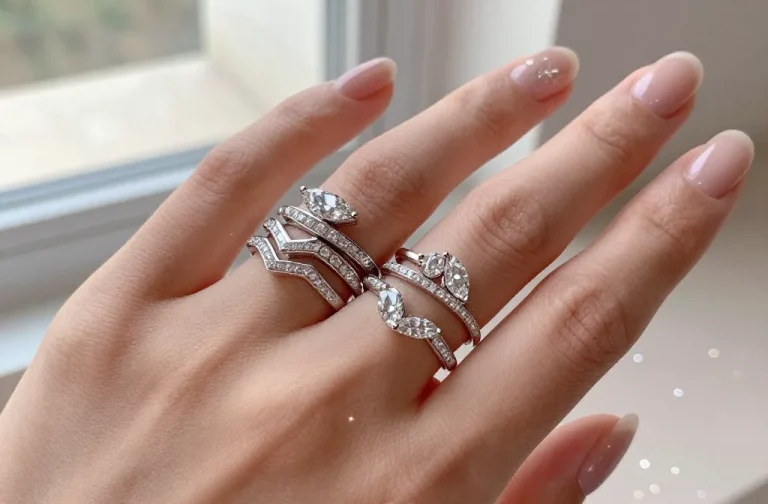
Marquise centers bring drama. That elongated, boat-shaped sparkle looks luxe, slims the finger, and practically begs for a creative ring stack. You want unique? Stack around a marquise and you’ll never look like anyone else at the party. Let’s build a stack that feels custom, intentional, and a little bit rebellious—in the chic way.
Why the Marquise Makes Stacking So Fun
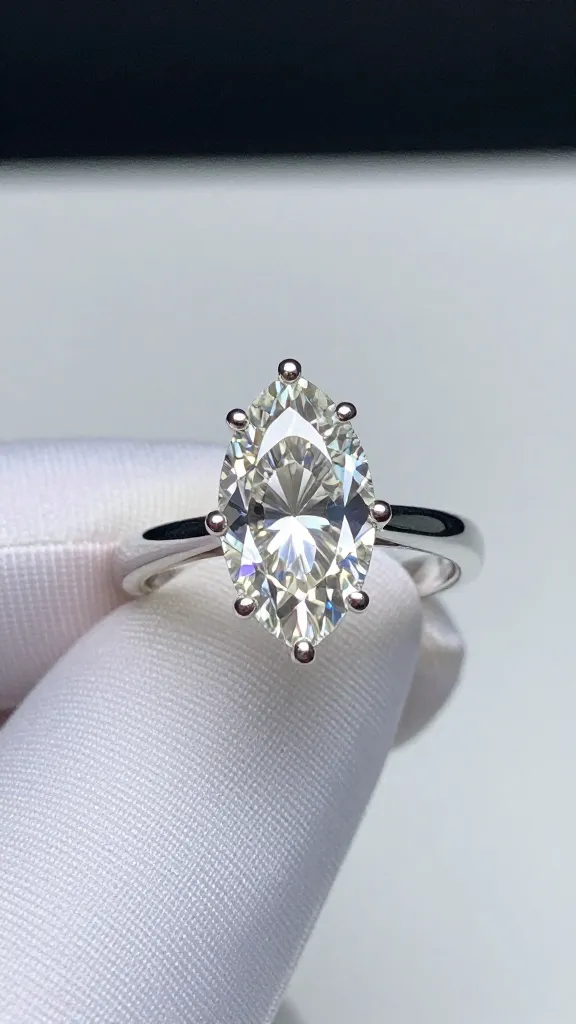
The marquise has serious presence. That pointed silhouette lets you play with negative space, curves, and geometry better than almost any other cut. Translation: more room for creativity.
Also, the marquise can read vintage or ultra-modern depending on your bands. Want Art Deco glam? Done. Minimalist sparkle? Easy. You’ve got range, and that’s the secret to unforgettable stacks.
The Core: Setting Shapes the Stack
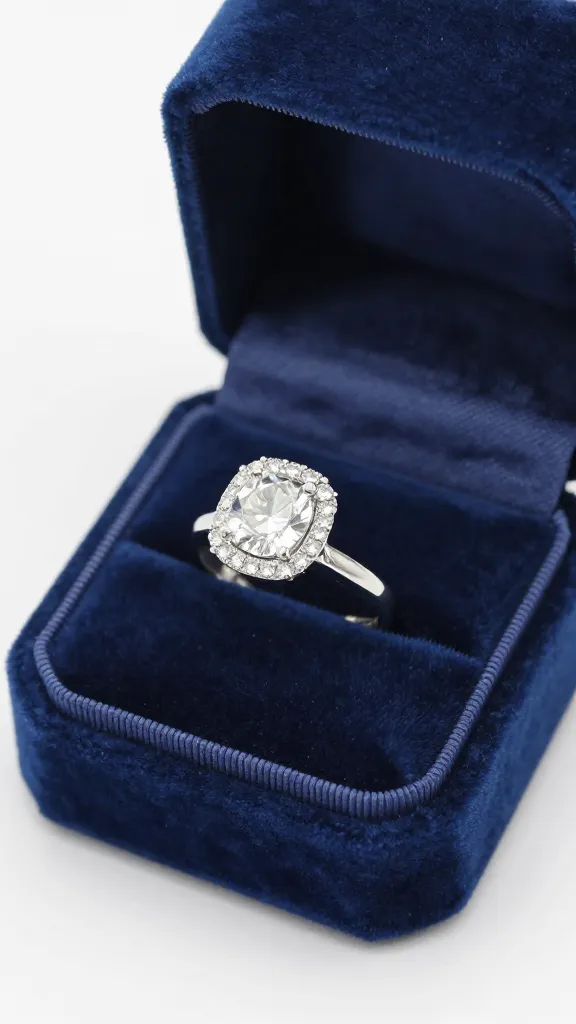
How you set the marquise determines which bands fit well and which fight the look. You don’t want battle-of-the-bands on your finger.
Solitaire vs. Halo
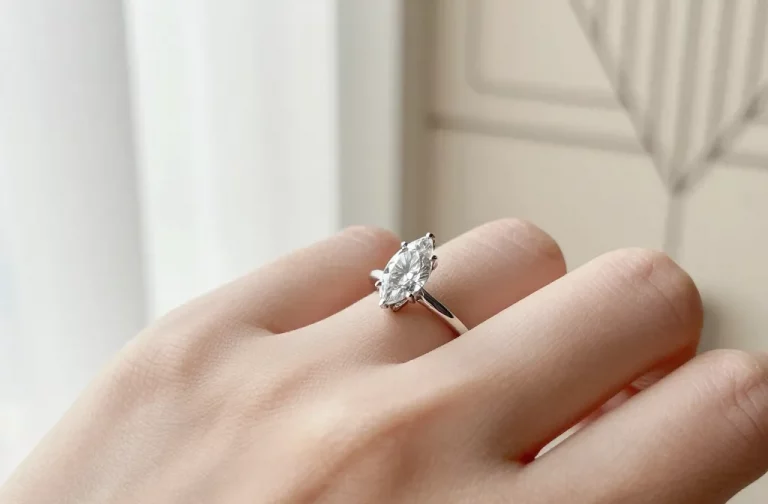
– Solitaire: Clean and versatile. Works with curved, chevron, or straight bands without looking busy. Perfect if you plan to switch bands often.
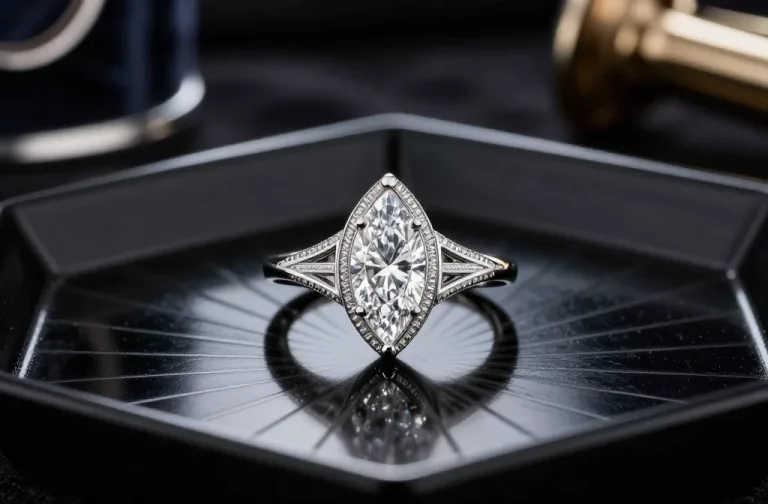
– Halo: More width, more sparkle, more drama. Pair with slim bands to avoid crowding. A simple pavé stacker on each side keeps it balanced.
Orientation: North-South vs. East-West
– North-South (points up and down): Classic and finger-lengthening. Needs a slight curve or V-shaped band to nest well.
– East-West (points side to side): Modern and unexpected. Plays nicely with straight bands and geometric shapes since it creates a clean horizontal line.
Prongs, Bezel, or V-Tips
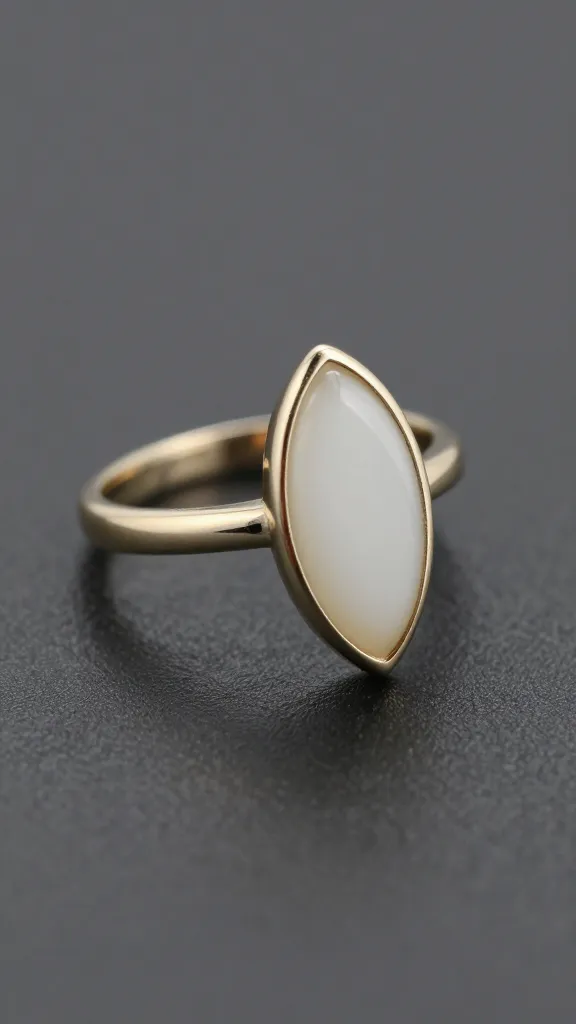
– Bezel: Streamlined and protective. Go for delicate bands to keep the look airy.
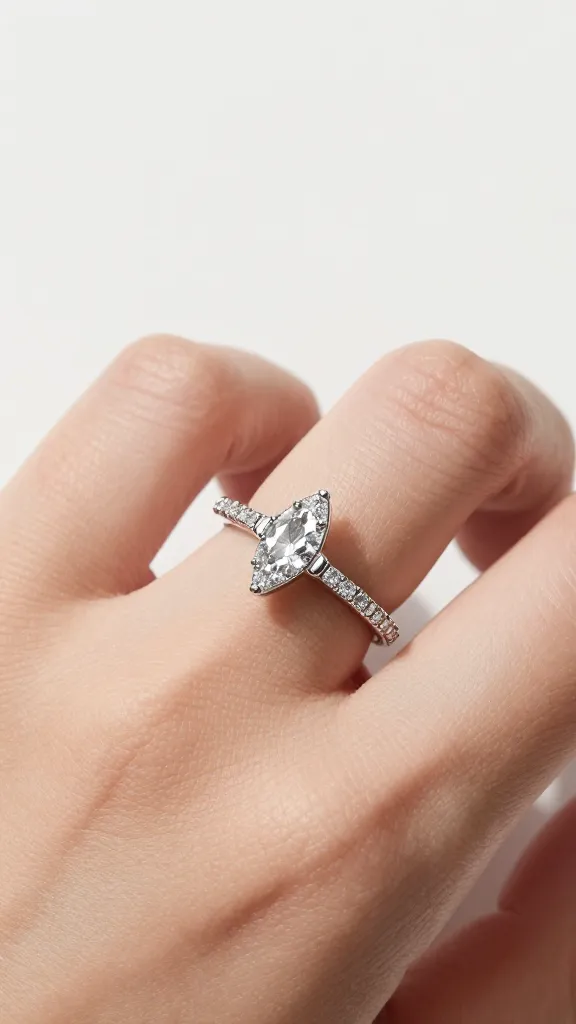
– Prongs with V-tips: Iconic marquise look. Choose fitted bands with notches or gentle curves to nest close.
– Floating/prongless halos: Space-friendly and sleek—great for mixing shapes like baguettes and rounds.
Stacking Styles That Slap (In a Good Way)
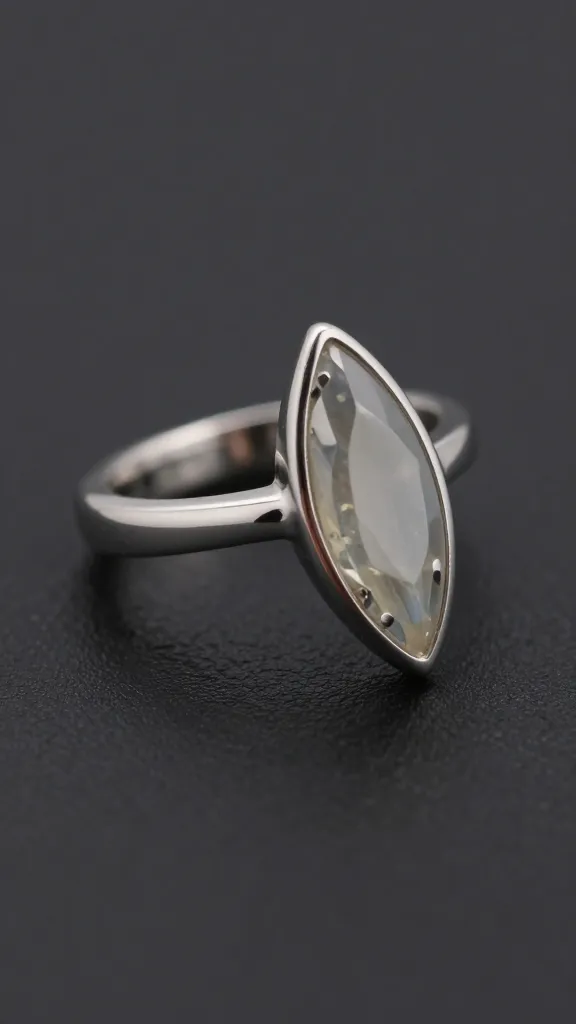
You’ve got options. The trick? Balance height, width, and texture. If the center ring has a lot going on, keep bands slim. If the center’s minimal, layer textures and shapes.
The Sculpted Nest: Curves and V-Bands
– Use a chevron or V-shaped band on top to echo the marquise point.
– Add a gentle crescent band underneath to cradle the bottom point.
– Keep one band plain metal and the other diamond-set so it doesn’t scream “too much.”
High-Low Sparkle: Mixing Gem Shapes
– Pair with tapered baguettes for that clean, architectural vibe.
– Slide in a marquise-accent band to mirror the center stone—symmetry without being matchy-matchy.
– FYI: baguettes plus a marquise reads very editorial. Like, “I browse auctions for fun” energy.
The Color Pop
– Add a gemstone guard or slim eternity in sapphire, emerald, or champagne diamonds.
– Alternate metal hue: if your marquise sits in yellow gold, try a thin platinum or white gold accent band to brighten the stack.
– IMO, champagne diamonds + yellow gold + marquise = effortlessly cool.
Metal Mixology: Two-Tone Done Right
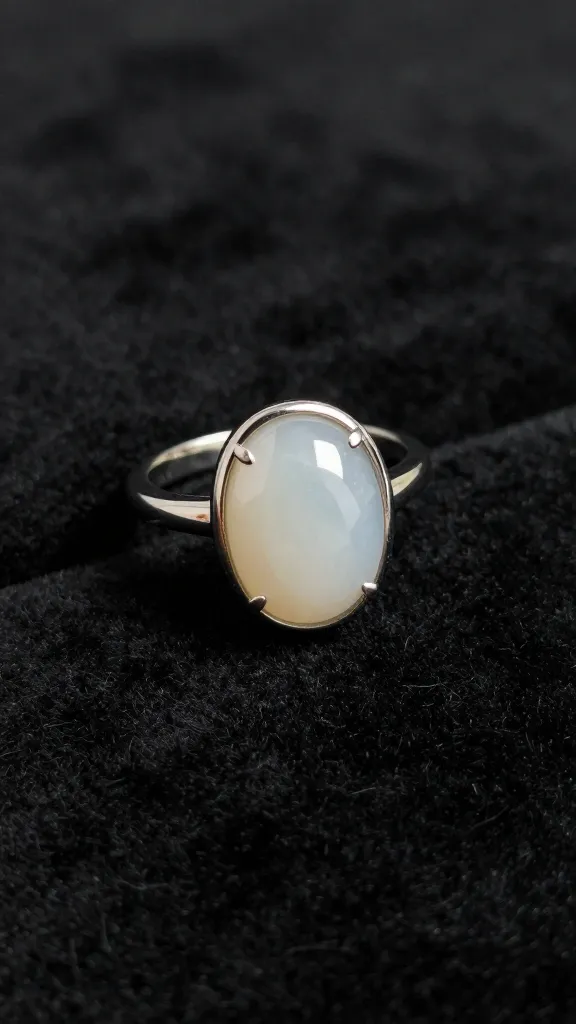
You can absolutely mix metals. In fact, with a marquise, it looks intentional and chic.
– Yellow gold center + white gold bands: Brightens the stack and makes the center pop.
– Rose gold guard + yellow gold shank: Soft, romantic, and warm.
– Rule of three: Mix up to three textures/colors max—polished, brushed, pavé; or yellow, white, rose—to keep it cohesive.
Texture Play
– Milgrain bands feel vintage and pair beautifully with marquise halos.
– Hammered or brushed bands add dimension without extra sparkle.
– Knife-edge bands create clean lines that flatter an East-West marquise.
Proportion: Make the Finger Look Snatched
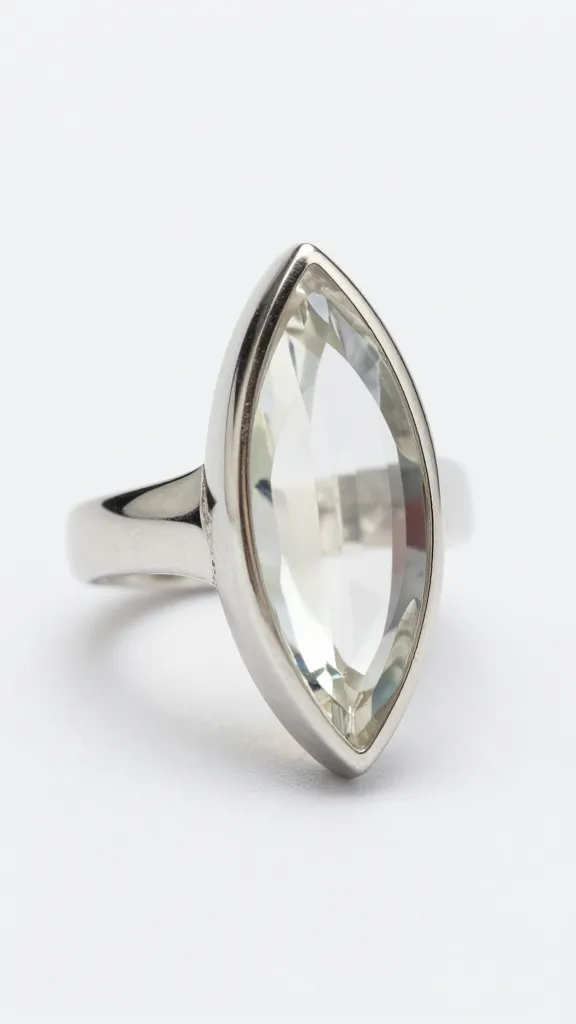
The marquise already elongates. Let’s supercharge that effect without bulk.
– Go slimmer, not thinner: Choose bands around 1.3–1.8 mm for delicate stacking that doesn’t bend.
– Stagger heights: Don’t stack three tall pavé bands; mix one sparkly with one plain metal.
– Mind the finger width: Petite fingers love one fitted band + one straight. Wider fingers can handle three-band stacks or chunkier texture.
Spacing: Embrace Negative Space
– Use a gap band or a band with an open center to give the marquise room.
– Floating bands—where stones look suspended—add air and keep the stack from feeling heavy.
Curated Combos You Can Steal
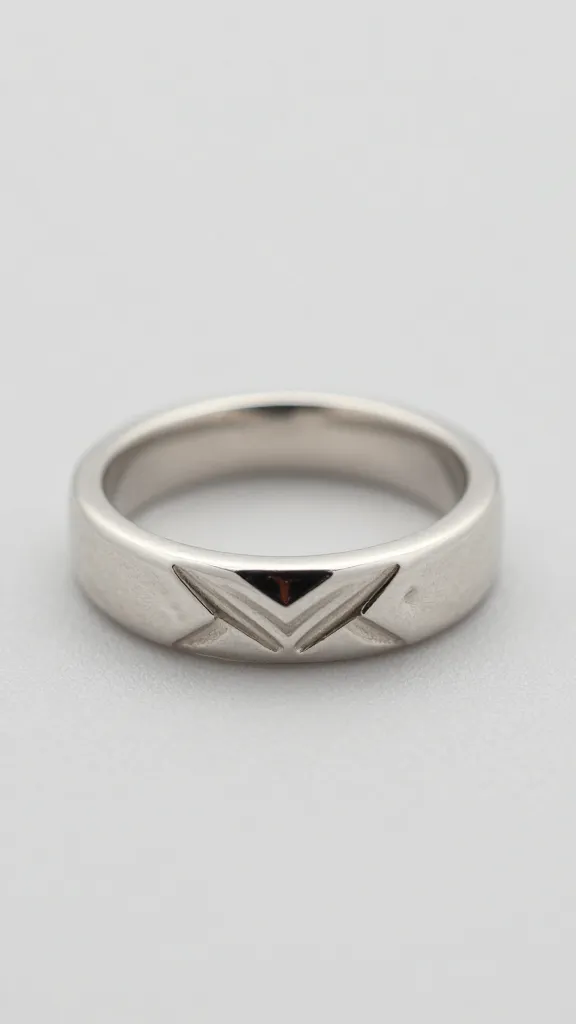
Here are ready-to-wear stacks that just work. Pick your vibe:
1) The Modern Minimalist
– North-South marquise solitaire in platinum
– Ultra-thin white gold pavé band (top)
– Plain yellow gold knife-edge band (bottom)
– Why it works: mixed metals, clean lines, subtle sparkle. Elevated without trying.
2) The Art Deco Muse
– Marquise with a thin diamond halo in yellow gold
– Tapered baguette band (top)
– Milgrain crescent band (bottom)
– Why it works: geometry + vintage texture = chef’s kiss.
3) The Color Crush
– East-West marquise in rose gold bezel
– Slim channel-set sapphire band (top)
– Plain rose gold curved guard (bottom)
– Why it works: the bezel reads modern, sapphires bring contrast, rose gold keeps it soft.
4) The Maximalist (But Make It Balanced)
– Marquise solitaire with V-tip prongs
– Diamond chevron band (top)
– Hammered yellow gold band (middle)
– Petite pavé eternity (bottom)
– Why it works: alternates sparkle and texture, stacked heights, no bulk overload.
Practical Stuff: Comfort, Care, and Fit
An iconic stack shouldn’t chew up your knuckles. Let’s keep it wearable.
– Try on with the center: Bands fit differently against a marquise. Test IRL or ask for CAD/stacking mockups.
– Guard vs. spacer: Use a thin plain spacer band to protect pavé edges if bands rub.
– Security: Marquise tips are vulnerable. Choose V-tips or a bezel if you’re hard on jewelry.
– Daily life check: If you type a lot, keep the stack low-profile or save tall chevrons for weekends.
Sizing Tips
– Stacks fit tighter. Size up by 1/4 when wearing three or more slim bands.
– If fingers swell easily, use comfort-fit interiors or opt for two bands daily and add the third for events.
– FYI, humidity and salt (hi, beach brides) can make rings feel tighter—plan for your climate.
Customization Moves That Feel Luxe
Want it truly unique? Small changes, big impact.
– Hidden details: A tiny marquise or birthstone tucked under the center, or engraved dates inside bands.
– Pivot the point: Rotate a V-band for a double-chevron moment around an East-West center.
– Graduated stones: Bands with stones that taper toward the marquise echo its silhouette.
– Ethical sparkle: Lab diamonds or moissanite can stretch your design budget—IMO a smart move if you want more bands.
FAQ
Do I need a curved band for a marquise engagement ring?
Not always. Curved or V-shaped bands nest beautifully with North-South marquise settings, but straight bands can look amazing too—especially with East-West orientations or bezel settings that offer a flat edge.
How many bands is too many?
If the stack pinches, spins, or looks bulky from the side, it’s too many for daily wear. Two bands usually feel perfect. Three can slay on the right finger size and ring heights. Four? Ceremony-only territory.
Can I mix pavé with plain metal without it looking random?
Absolutely. That contrast creates rhythm. Aim for a 1:1 or 2:1 ratio of sparkly to plain. Example: diamond chevron + plain spacer + diamond eternity = balanced and intentional.
What metal looks best with a marquise?
It’s pure preference. Yellow gold feels classic and warm, white metals feel crisp and modern, and rose gold reads romantic. Mix metals if you want dimension—just repeat each metal at least once for cohesion.
Are halos outdated with marquise centers?
Nope. Halos enhance the shape and make the center look larger. To keep it fresh, go for ultra-thin halos, bezel halos, or mixed-cut halos with baguettes or pears for a stylized edge.
How do I keep the marquise tips safe in a stack?
Choose V-tip prongs or a bezel, and use bands that don’t press directly into the tips. A slim spacer between a chevron and the center can prevent rubbing without ruining the look.
Conclusion
A marquise center gives you the most playful canvas in ring-stacking land. Build around its points with curves, echo its silhouette with tapered stones, and keep textures balanced so the eye dances. Mix metals, play with color, and edit just enough so your stack looks curated—not crowded. Most important: wear what makes you grin every time your hand catches the light. IMO, that’s the only rule that matters.