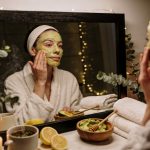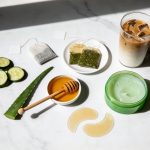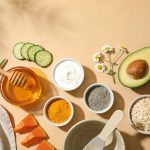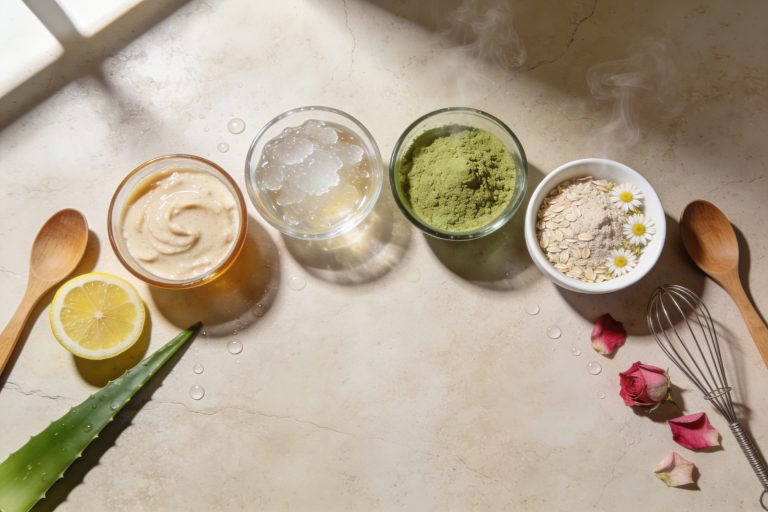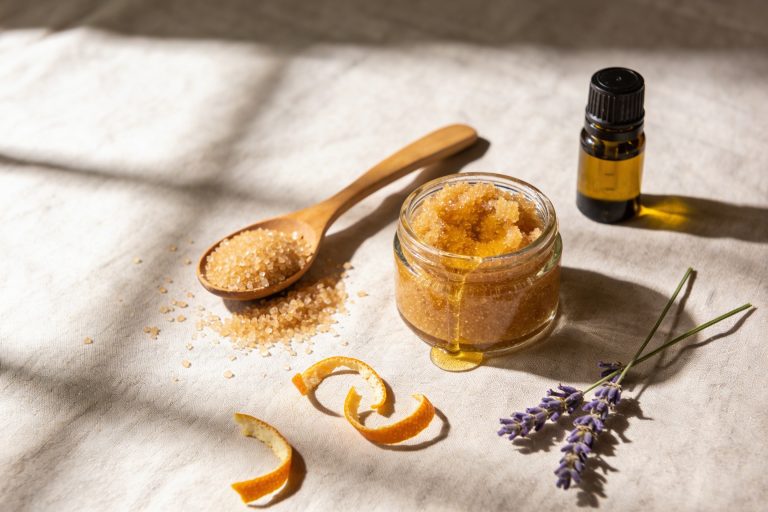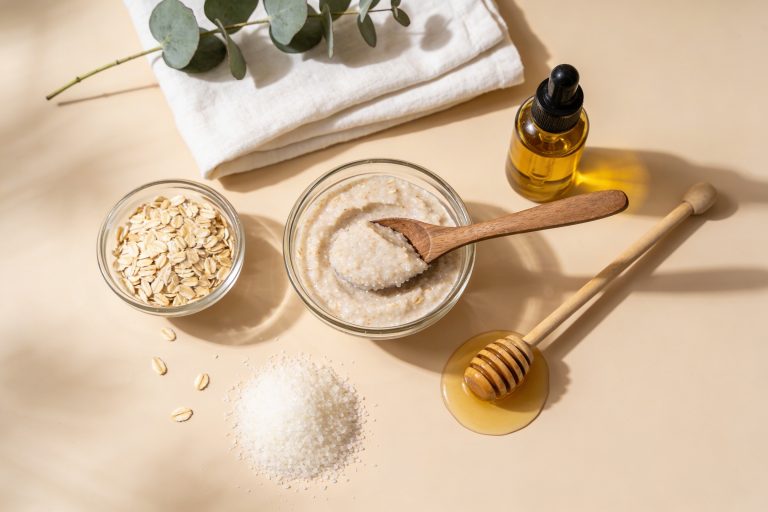
Your skin wants attention, not a 10-step routine that takes longer than your morning coffee. Natural face masks can deliver glow, calm, and clarity with ingredients you already own. No mystery chemicals, no scary price tags—just smart combos that work. Ready to raid your kitchen like a beauty chemist with better snacks?
Why DIY Masks Actually Work
You don’t need a lab coat to understand skin. Most DIY masks rely on simple actives like enzymes, mild acids, antioxidants, and fats. These target common issues—dryness, dullness, oil, or irritation—without turning your face into a science experiment.
Here’s the gist:
- Hydrators (honey, aloe, yogurt) pull water into the skin and soften texture.
- Exfoliants (yogurt’s lactic acid, papaya enzymes, oatmeal) smooth dullness.
- Oil balancers (clays, green tea, diluted apple cider vinegar) help clarify pores.
- Soothers (oats, chamomile, cucumber) calm redness and irritation.
FYI: “Natural” doesn’t equal “weak.” These can be potent—use them wisely, and always patch test.
Build-Your-Own Mask: The Simple Formula
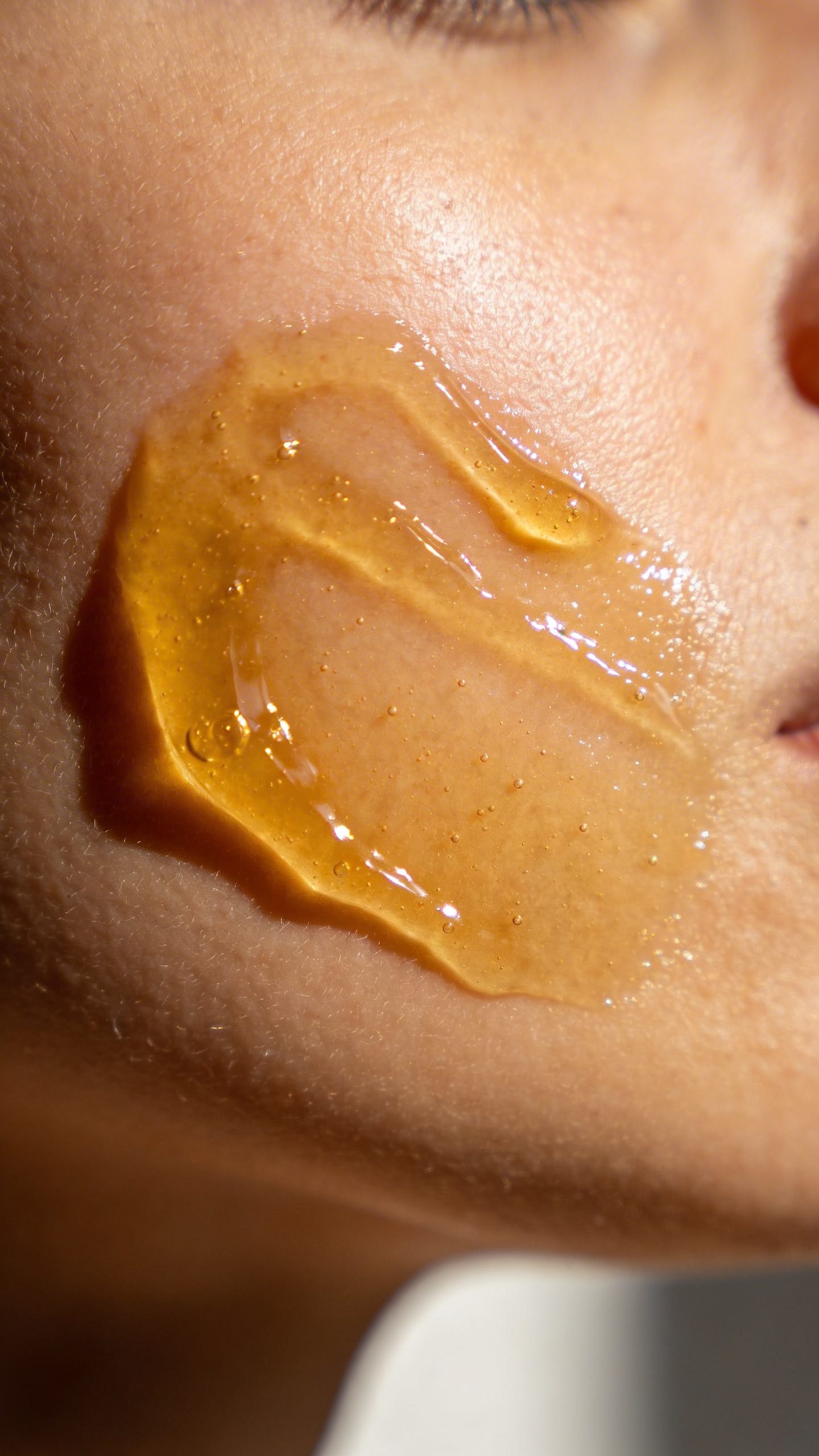
Think of your mask like a recipe: base + booster + binder. Keep it to 2–4 ingredients so your face doesn’t stage a revolt.
- Choose a base (1–2 tablespoons)
- Dry skin: yogurt, mashed avocado, honey
- Oily/combination: clay (kaolin/bentonite), cooled green tea, aloe gel
- Sensitive: oatmeal paste, cucumber puree, aloe gel
- Add a booster (1 teaspoon)
- Brightening: turmeric, lemon zest (not juice), papaya puree
- Soothing: chamomile tea concentrate, colloidal oatmeal
- Clarifying: activated charcoal, matcha powder
- Pick a binder/liquid (as needed)
- Honey for glide and hydration
- Rose water or green tea for lightness
- Jojoba or squalane for extra slip (a few drops)
Patch Test, Please
Dab a bit behind your ear or on your jawline. Wait 24 hours. If your skin stays chill—no redness, itching, or drama—you’re good.
Recipes That Actually Deliver
These hit different skin goals without trying to be cute about it.
The Glow Getter (dull, tired skin)
- 1 tbsp plain yogurt
- 1 tsp honey
- 1 tsp mashed ripe papaya or pineapple
Mix, apply for 8–10 minutes, then rinse. Lactic acid + fruit enzymes give you smooth, bright skin without grit. IMO, this one’s a pre-event favorite.
Calm Down, Skin (redness and irritation)
- 1 tbsp aloe gel (pure)
- 1 tbsp finely ground oats or colloidal oatmeal
- 1 tsp cooled chamomile tea concentrate
Spread gently, leave 10–12 minutes, and rinse with lukewarm water. Oats + aloe are the soothing power couple of skincare. Your barrier will send thank-you notes.
Matte But Not Flat (oily or breakout-prone)
- 1 tbsp kaolin clay
- 1 tsp matcha or green tea powder
- Enough cooled green tea to make a paste
Apply thinly for 6–8 minutes. Do not let it fully dry—mist with water if needed. Clay pulls gunk; green tea fights oil and calms.
Soft-Serve Hydration (dry, flaky skin)
- 1 tbsp mashed avocado
- 1 tsp honey
- 3–4 drops squalane or jojoba oil
Leave on 10–12 minutes. This feeds your skin fatty acids + humectants for plush, bouncy vibes.
Bright Side Up (dark spots, uneven tone)
- 1 tbsp plain yogurt
- 1/4 tsp turmeric
- 1 tsp honey
Apply 8 minutes and rinse well. Turmeric can stain—use a dark washcloth and avoid your best towel. Results are gradual, but it’s legit.
Pro Tips So You Don’t Sabotage Your Face
– Timing matters: 5–12 minutes is plenty. Over-masking = cranky skin.
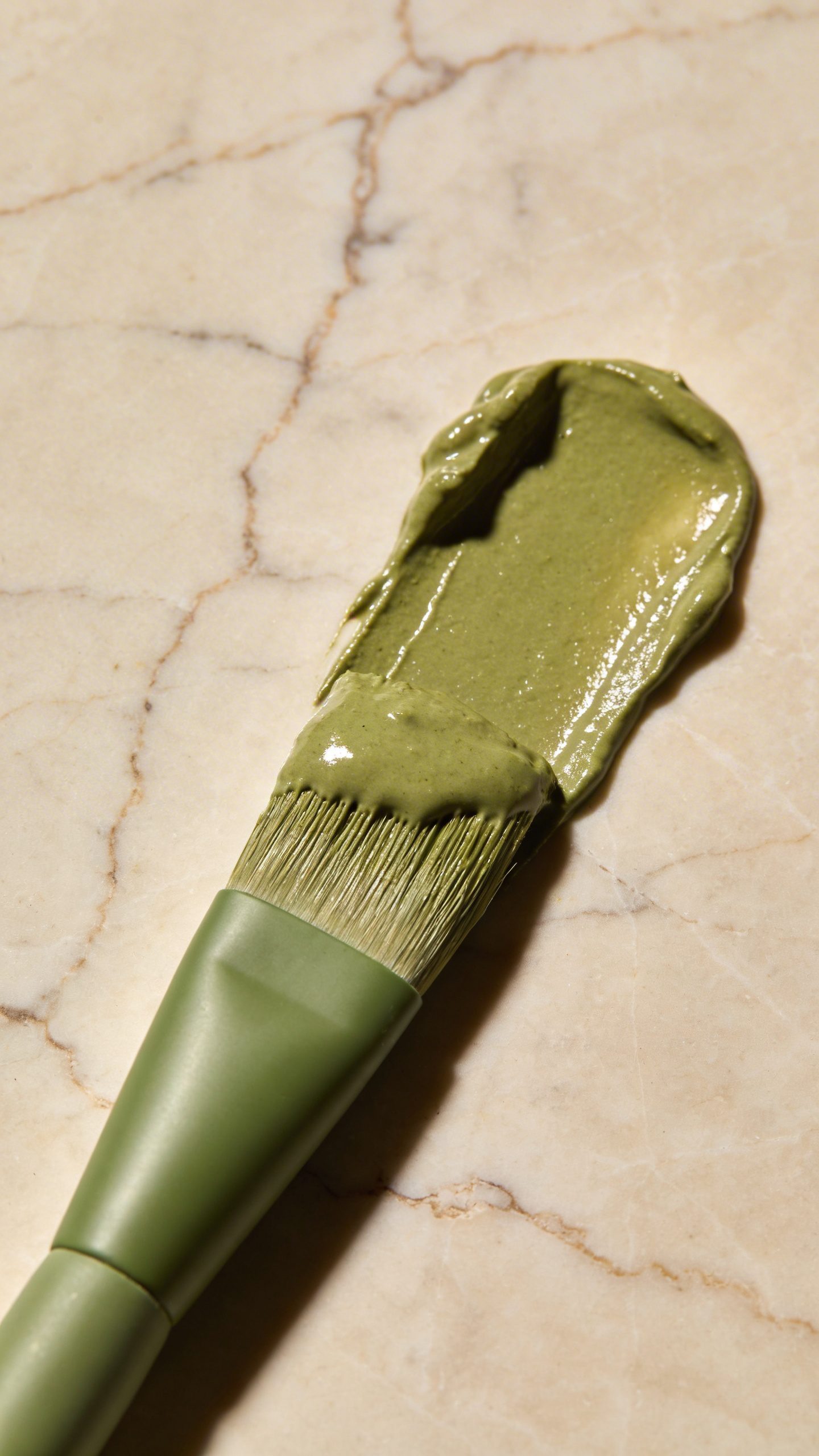
– Texture is key: Aim for yogurt-like spreadability. Too runny? Add oats or clay. Too thick? Add tea or rose water.
– No kitchen burns: Never use hot ingredients. Let teas cool fully.
– Skip harsh stuff: Lemon juice, baking soda, cinnamon, and undiluted essential oils can wreck your barrier.
– Rinse smart: Use lukewarm water and soft circular motions. Follow with a hydrating toner/essence and a simple moisturizer.
– Sunscreen, always: Exfoliating masks can make skin more sun-sensitive. Don’t undo your work outside.
Pairing With Your Routine
– Before masking: gentle cleanse only.
– After masking: hydrating toner/essence, serum if you want, then moisturizer.
– If you used acids/enzymes: skip strong actives (retinoids, AHAs/BHAs, vitamin C) that night. Your skin doesn’t need a double feature.
Ingredient Swaps You’ll Actually Use
No papaya? No problem. Here’s your pantry-friendly cheat sheet.
- Yogurt → kefir or buttermilk (similar lactic acid), or a splash of milk powder + water
- Honey → glycerin diluted 1:1 with water, or aloe gel for lighter hydration
- Kaolin clay → bentonite (stronger; thin it out), or fuller’s earth
- Avocado → banana + a few drops of oil (less fatty, still softening)
- Green tea → matcha powder + water, or chamomile for soothing
- Turmeric → a pinch of licorice root powder or a few drops of niacinamide serum post-mask (not “natural,” but effective)
FYI: If anything smells off or looks funky, toss it. Your face is not a compost bin.
How Often Should You Mask?
– Dry or sensitive: 1–2 times per week, go for hydrating/soothing recipes.
– Oily or acne-prone: 2 times per week max, rotate clay with soothing masks.
– Combination: Multi-mask—clay on T-zone, hydration on cheeks. Efficient and weirdly satisfying.
Signs You Overdid It
Tightness, flaking, stinging that lingers, or sudden rough texture. Pause actives for a few days, use a basic moisturizer, and bring in ceramides or a barrier balm. Your skin is resilient, but not invincible.
FAQs
Can I store leftover masks?
Most fresh masks don’t store well because bacteria love water and food. Make single servings and use immediately. If it’s a dry mix (like clay + matcha), store the powder airtight and add liquid per use.
Is honey safe for acne-prone skin?
Yes, in many cases. Raw honey is naturally humectant and has mild antimicrobial properties. Keep it to thin layers and rinse well; pair with clay if you get shiny fast.
Will turmeric stain my skin permanently?
No, but it can tint pale skin temporarily and stain fabrics aggressively. Use a tiny amount, rinse thoroughly, and follow with a gentle cleanser if needed. Don’t wear your favorite robe—learned that the hard way.
Can I use lemon juice for brightening?
Skip it. Lemon juice swings pH wildly and can irritate or even burn, especially with sun exposure. Use yogurt, papaya, or a store-bought vitamin C serum instead. Your barrier will thank you.
What if I have eczema or rosacea?
Stick to ultra-gentle masks: aloe, oats, cucumber, and honey in thin layers. Avoid acids, enzymes, fragrance, and essential oils. Patch test every single time and keep sessions short.
Do DIY masks replace serums?
They complement, not replace. Masks give fast, surface-level boosts. Serums deliver targeted actives consistently. Use both smartly, not simultaneously in a showdown.
Keep It Fun, Keep It Simple
DIY masks should feel like self-care, not a science fair meltdown. Start with one goal—hydrate, soothe, brighten—and keep your recipe tight. Pay attention to how your skin responds, tweak as needed, and wear sunscreen like it’s a personality trait. IMO, that combo beats most fancy jars—and you get snacks after.