Your bath shelf looks like a chaotic shampoo commune? Let’s fix that. A coordinated bath product line doesn’t just look chic—it makes your routine smoother, your brand clearer, and your customers (or roommates) way happier. We’ll walk through building a lineup that smells amazing, works hard, and actually looks like it belongs together. No boring buzzwords, just the good stuff.
Start With a Clear Concept (Before You Touch a Dropper)
You need a vibe. Beachy-citrus? Spa-calming? Cozy-vanilla with “I-bake-on-weekends” energy? Choose a core theme that guides everything—from ingredients to packaging.
- Pick one hero mood: Energizing, soothing, detoxing, or moisturizing.
- Define your scent story: One or two fragrance families max (citrus + herb, wood + smoke, floral + musk).
- Choose a signature ingredient: Think sea kelp, oat milk, charcoal, hibiscus, or green tea.
Quick sanity check
If you can’t summarize your concept in one sentence, it’s not tight enough. Example: “A clean, ocean-inspired line for oily-prone skin that loves lightweight hydration.” Nailed it.
Curate the Core Products (Don’t Launch 15 Things)
You don’t need a 47-step ritual. Start with a compact collection that covers daily use. Then expand once people love it—IMO, small and cohesive beats chaotic and over-promising.
- Cleanser base: Body wash or bar soap (mild surfactants, no squeaky-dry finish).
- Hair duo: Shampoo and conditioner that match the same scent profile.
- Hydrator: Body lotion or body butter depending on your market.
- Experience booster: Scrub, bath soak, or shower steamers for spa vibes.
Smart add-ons later
– Hand wash + lotion duo
– Travel minis (perfect for gifting and sampling)
– Seasonal limited scents (keep the base formula, shift the fragrance)
Build Formulas That Actually Coordinate
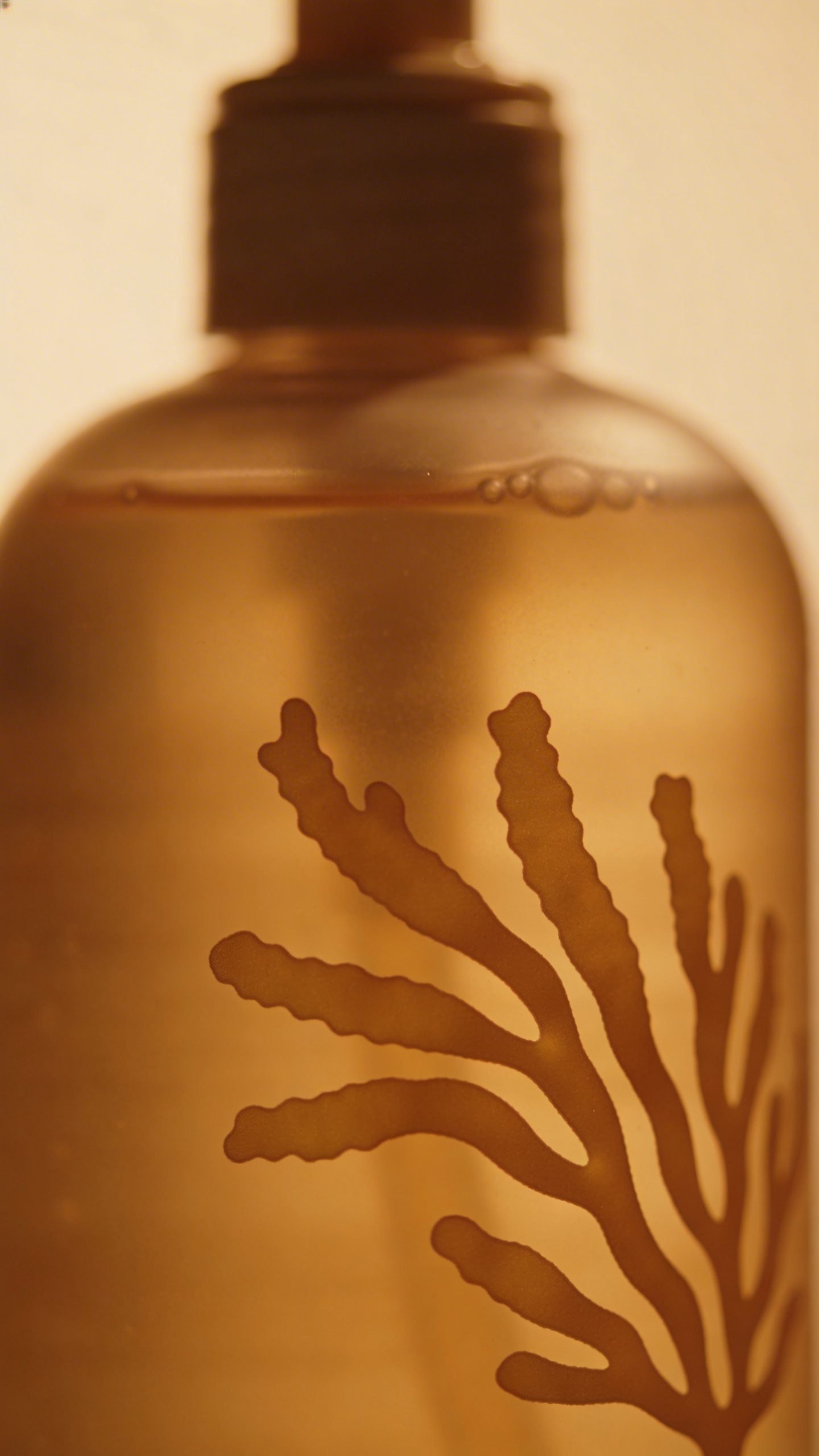
Coordinated doesn’t just mean same color label. Your formulas should play nicely together in texture, scent, and after-feel.
- Texture harmony: If your body wash feels silky, don’t pair it with a heavy, waxy lotion. Keep the sensory arc consistent.
- Fragrance layering: Use the same top/middle/base structure across products so the scent doesn’t clash mid-shower.
- Ingredient consistency: Repeat your hero plant extract or oil at meaningful levels—FYI, label candy doesn’t count.
Formulation notes
– Body wash: Gentle surfactants like sodium cocoyl isethionate or decyl glucoside.
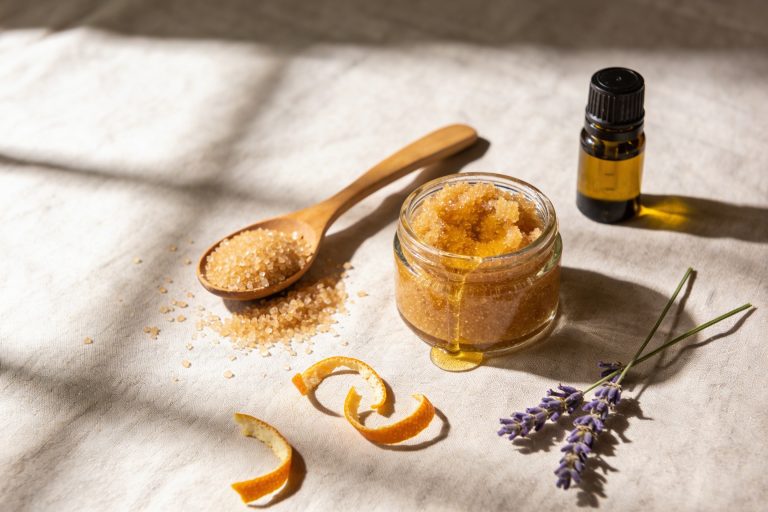
– Scrub: Choose sugar for softer polish, salt for detox vibes; pair with lightweight oils (safflower, grapeseed).
– Lotion: Emulsify with a light system (glyceryl stearate citrate) and keep occlusives modest unless you’re going “butter-rich.”
Nail the Scent Strategy (Subtle > Loud)
Scent ties your entire line together. If one product screams while another whispers, your bathroom smells like a department store counter. Don’t do that.
- Pick a core accord: Example—Bergamot (top), Lavender (middle), Cedarwood (base).
- Adjust intensity by format: Stronger in rinse-off (shampoo), gentler in leave-on (lotion).
- Offer a fragrance-free option: Sensitive noses exist, and they buy things. IMO, it’s a must.
Essential oils vs. fragrances
– Essential oils feel natural but can irritate skin—dose carefully.
– High-quality fragrance oils allow complex notes and better stability.
– Either way, test on actual humans. Your cousin’s “seems fine” is not data.
Design Cohesion: Make It Obvious They’re Siblings
Your packaging should whisper “we belong together” from across the aisle. Or, you know, the shower caddy.
- Consistent visual cues: Same bottle family, same brand typography, same label layout.
- Color system: One primary brand color plus accent hues per scent (e.g., teal for ocean, coral for citrus).
- Material match: Matte bottles + matte caps = sleek. Mixed finishes can look chaotic.
- Accessibility: High-contrast text, legible fonts, and tactile differences between shampoo/conditioner.
Label hierarchy that works
– Big product name (Body Wash).
– Scent/variant (Sea Salt + Sage).
– Benefit callout (Hydrating).
– Key ingredient icons (Ceramide, Aloe). Keep it minimal, not a NASCAR decal.
Plan the User Journey (From Shower to Shelf)
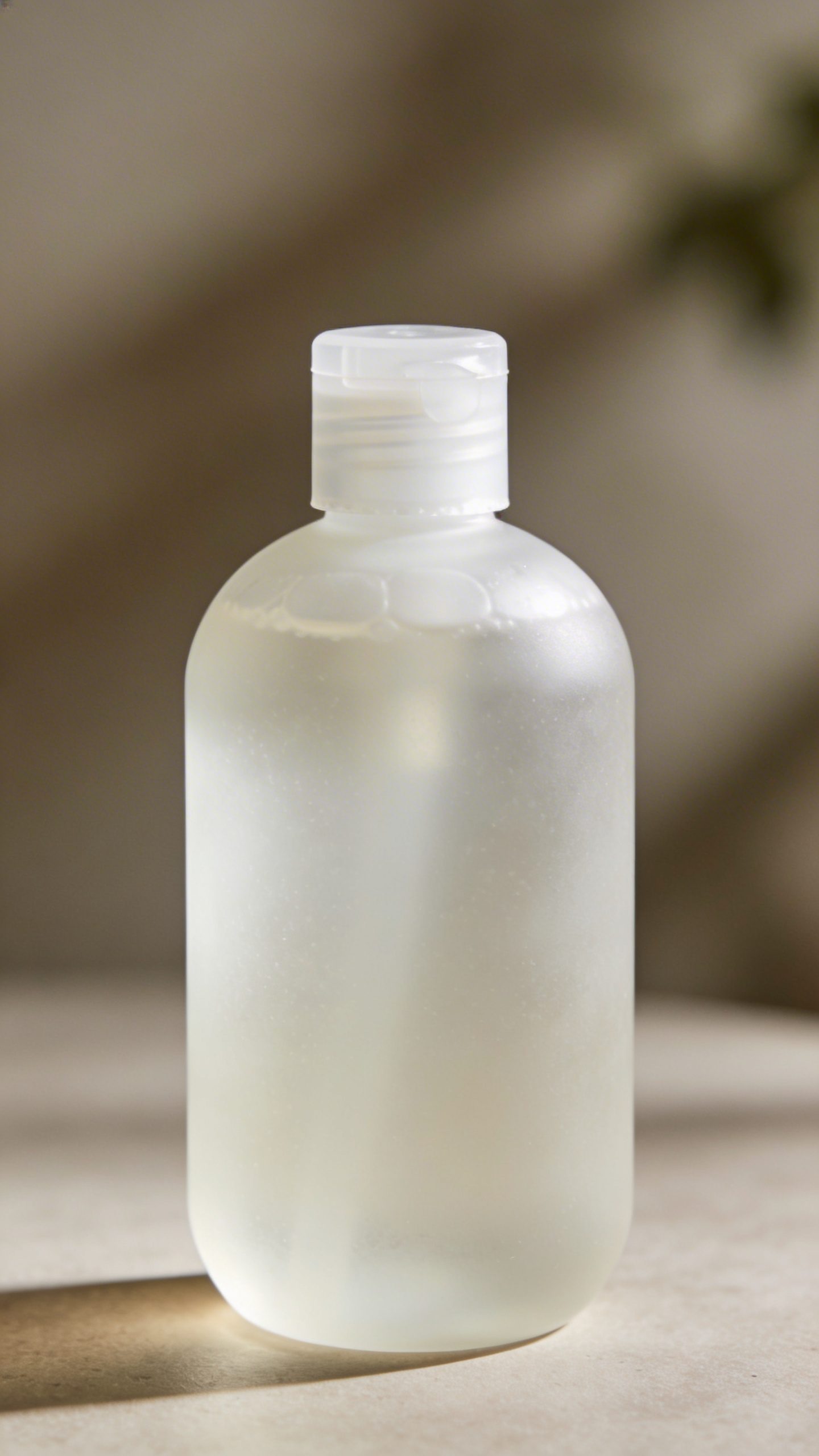
A coordinated line should guide users without overthinking. Make it easy, pleasant, and just a little luxe.
- Cleanse: Body wash with a fresh but soft lather.
- Exfoliate (2-3x/week): Scrub before shaving for smoother results.
- Hair care: Shampoo for scalp health, conditioner for slip—not helmet hair.
- Hydrate: Lightweight lotion for daily; richer cream for nights or winter.
Bundle like a pro
– Starter Kit: Body wash + lotion + minis.
– Ritual Set: Wash + scrub + body oil.
– Hair Duo: Shampoo + conditioner with a travel-size mask as a perk.
Sourcing, Testing, and Compliance (The Unsexy Essentials)
This part keeps your business alive and customers safe. Not glamorous, but absolutely critical.
- Reliable suppliers: Ask for COAs, stability data, and allergen statements.
- Stability testing: Check separation, color shift, scent fade at room temp and heat. No one wants a curdled lotion.
- Preservation system: Use broad-spectrum preservatives suited to pH and product type.
- Patch testing + feedback: Recruit mixed skin types. Document results and iterate.
- Regulatory basics: Proper INCI lists, net contents, batch codes, and any jurisdiction-specific claims rules.
Eco + refills, if you can swing it
Refill pouches or larger concentrates cut waste and look great for your brand story. Just make sure your materials actually recycle in your target market. Greenwashing = yikes.
Pricing and Positioning: Keep It Tight
You built a beautiful system—now price it to move. Consistency in pricing helps customers understand quality and value.
- Tier your line: Core products at accessible price points; boosters (scrubs, oils) slightly higher.
- Margin discipline: Don’t underprice your hero product. It anchors the entire line.
- Bundles save a bit: Nudge customers toward full routines with small discounts.
Messaging shortcuts that sell
– One-liner: “A clean, coastal routine for soft skin and low-drama hair.”
– Three key benefits: Hydrates, balances, smells subtly amazing.
– Social proof: Before/afters, UGC shelfies, and quick routine reels.
FAQ
How many products should I launch with?
Aim for 3-5 core items. Cover cleanse, hydrate, and one “treat” product. You’ll learn faster and avoid inventory chaos. Expand after you see what customers love.
Do I need matching scents across everything?
Short answer: mostly, yes. Keep one signature scent across the line, then add a second variant later. Offer a fragrance-free option for leave-ons—FYI, that inclusivity boosts loyalty.
Can I use essential oils instead of fragrance?
You can, but dose carefully. Essential oils carry allergens and can irritate skin if you go heavy. Blend lightly, test widely, and always disclose allergens per regulations.
What makes a product line feel “coordinated” beyond labels?
Texture, scent strength, and performance should flow. If your wash is silky and your lotion absorbs fast, the scrub shouldn’t feel like wet cement. Think consistent sensory experience.
How do I choose packaging that doesn’t cost a fortune?
Pick a standard bottle family and vary only color and closures. Order in larger MOQs for price breaks, and use one label size across multiple SKUs. Simple, scalable, and wallet-friendly.
What’s the best way to test if customers will love it?
Run small pilot batches, ship to a tester group, and gather structured feedback (scent, feel, rinse, residue, look). Iterate quickly. IMO, nothing beats real shower-time notes.
Conclusion
A coordinated bath line isn’t about copying a big brand—it’s about crafting a clear, feel-good ritual that looks sharp and works hard. Choose a tight concept, build formulas that play nice, and keep your design and scent consistent. Start small, test like crazy, and let customers pull you toward your next launch. Your shower (and theirs) will thank you.