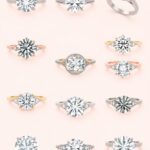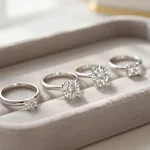
Some diamonds whisper. Marquise and cushion cuts? They make an entrance. If you’re torn between the elegant pointy oval and the soft, pillowy square, you’re in good company. Let’s break down the sparkle, the vibes, and the real-life stuff (like snagging sweaters and finger-flattering magic) so you can pick a ring you’ll love long-term.
Meet the Contenders: Marquise vs Cushion, in a Nutshell
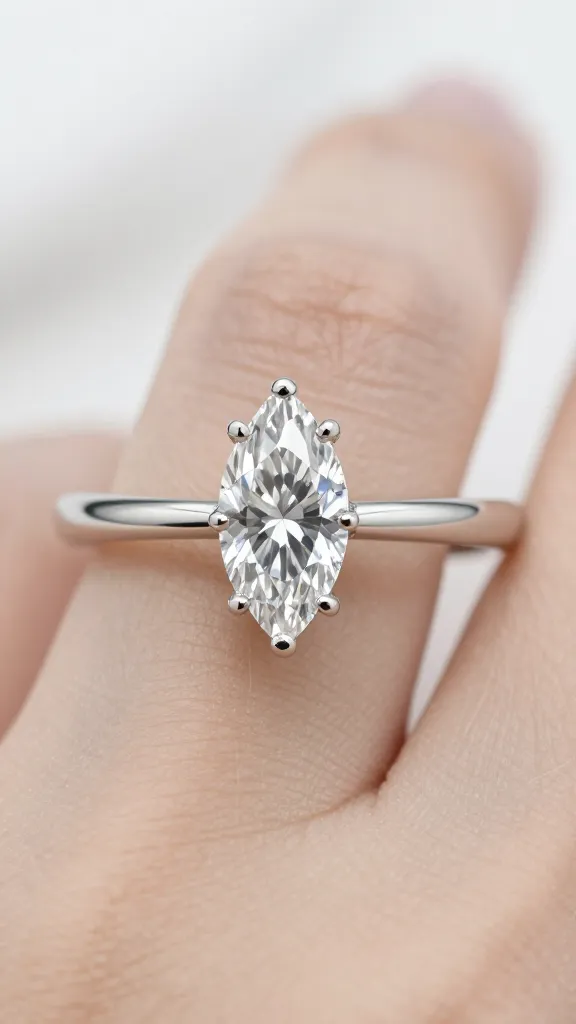
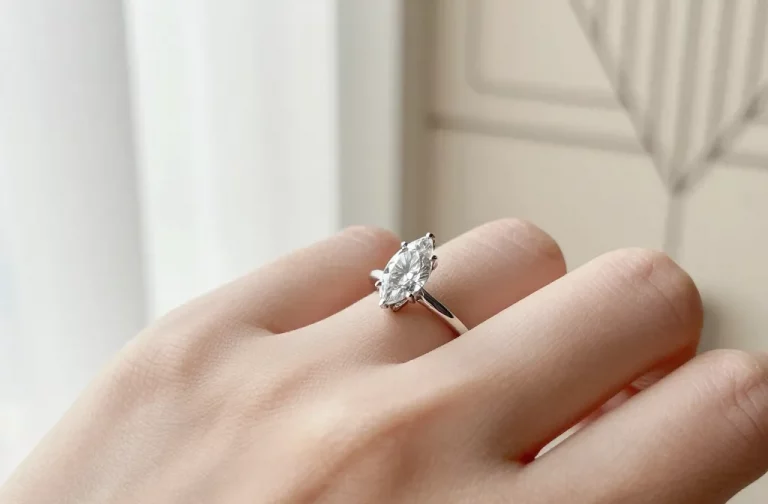
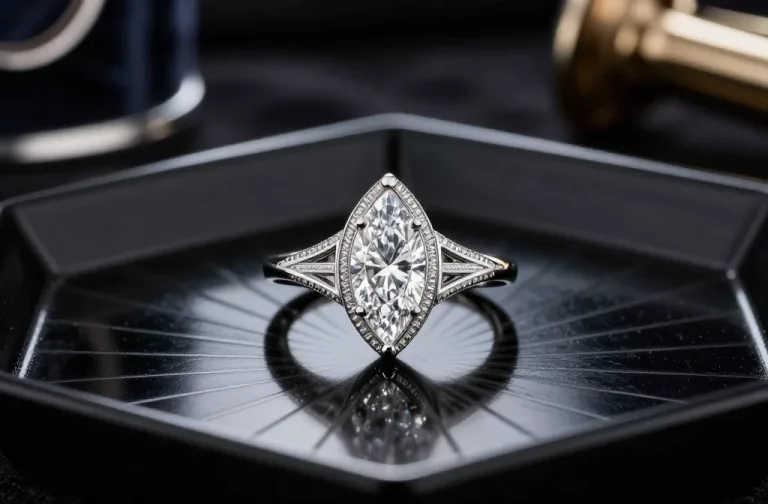
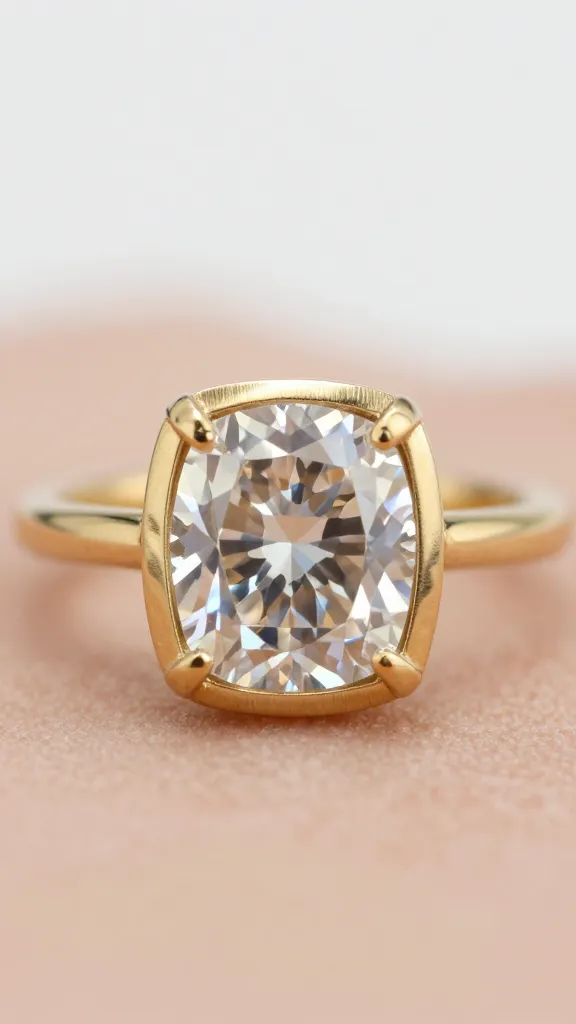
Marquise cuts look like a sleek eye—long and pointed at both ends. They feel regal, dramatic, and a tad bold. Cushion cuts bring vintage romance with rounded corners and a square-to-rectangular outline. Think “soft glow” instead of “laser beam.”
Quick vibe check:
- Marquise: elongated, high drama, finger-lengthening
- Cushion: cozy glamour, antique-meets-modern, ultra versatile
How They Sparkle (a.k.a. Why You Keep Staring)
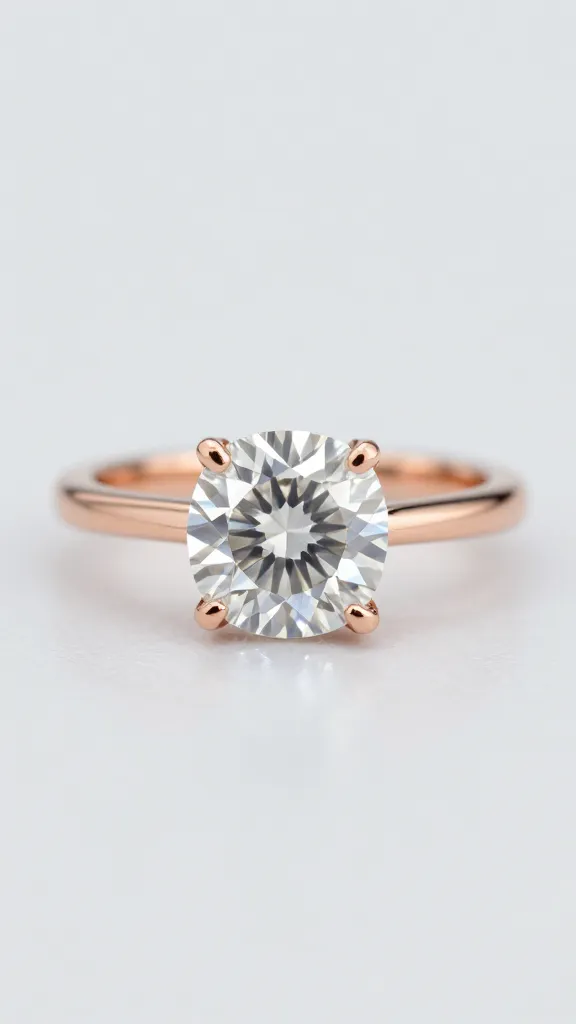
Both cuts sparkle, but they do it differently—like disco ball vs candlelight.
- Marquise: Brilliant-cut facets throw lots of sparkle. You’ll see intense flashes, especially under spot lighting. The shape can show a “bow-tie” across the center—more on that soon.
- Cushion: Comes in crushed ice and chunky brilliant styles. Crushed ice looks like tiny glitter; chunky facets show bold, blocky flashes. Love a romantic glow? Cushion’s your girl.
The Bow-Tie Effect (No Formalwear Required)
Many elongated shapes show a dark bow-tie shadow across the middle. Marquise cuts often have noticeable bow-ties—they’re not bad, but you want one that doesn’t look like a blackout zone. Cushions can show slight bow-ties too, especially elongated ones, but it’s usually softer.
Face-Up Size and Finger Flattery
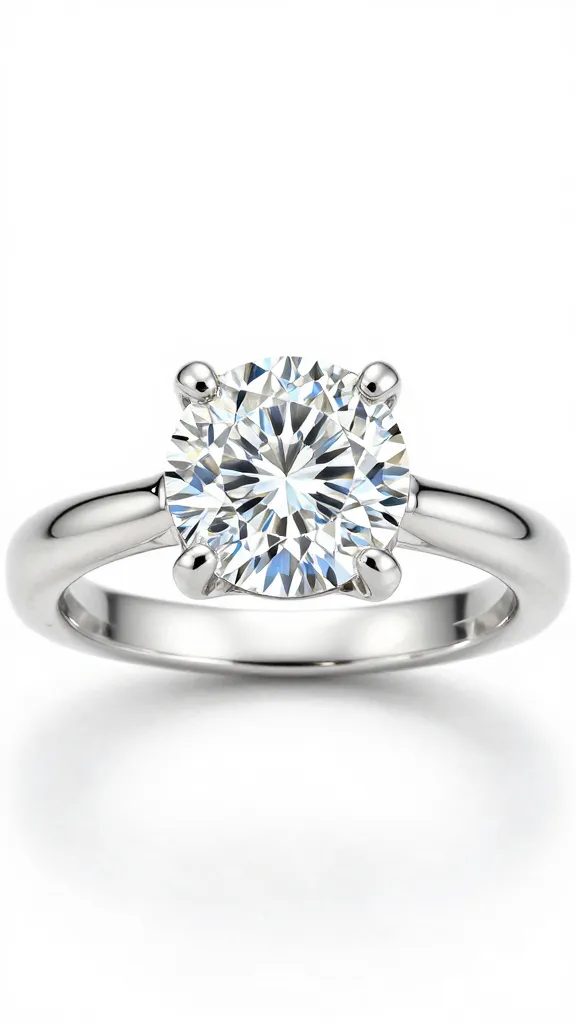
Want your stone to look bigger without adding carat weight? Shape matters.
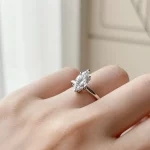
- Marquise: Covers lots of finger real estate. It often looks larger than a round of the same carat. Bonus: the elongated shape makes fingers look longer and slimmer. Magic? Kinda.
- Cushion: Faces up a bit smaller than a round. Still substantial, but with chunkier depth. It reads plush, not oversized.
Length-to-Width Ratios That Work
- Marquise: Sweet spot: 1.85–2.15 for classic elegance. Go longer for drama, shorter for a softer look.
- Cushion: Square fans, aim around 1.00–1.05. Prefer elongated? Try 1.10–1.20 for a refined rectangle vibe.
Color and Clarity: Where You Can Save (and Where You Shouldn’t)
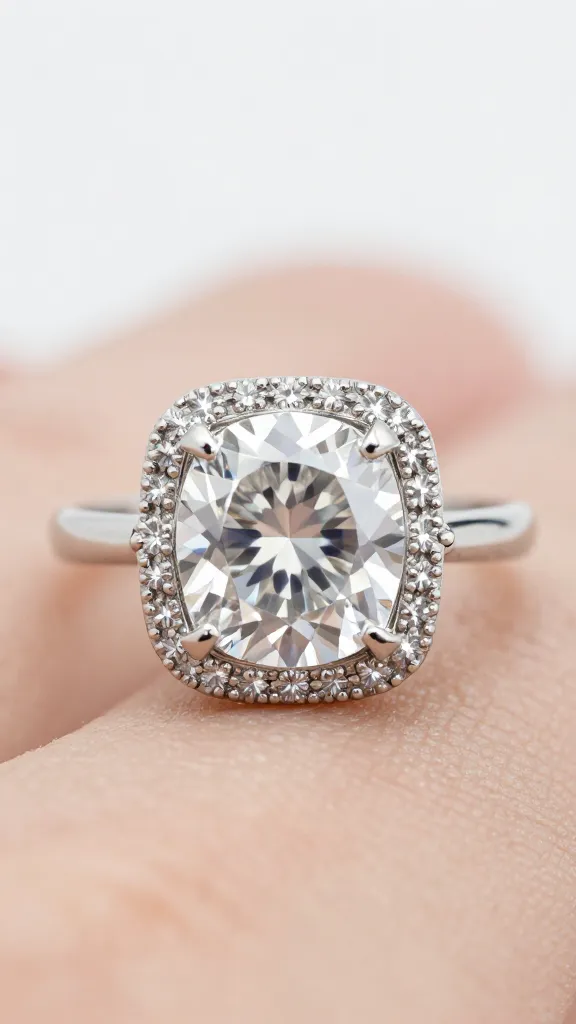
Not all cuts hide color and inclusions equally. Time to be strategic.
- Marquise: Points can trap color, so go a tad higher on color if you’re sensitive—G–H on white metals, I–J if you’re setting in yellow or rose gold. The points also show inclusions more, so SI1 may work, but verify with magnified images.
- Cushion: Cushions hide color well, especially the crushed-ice kind. You can often go to I–J color and still look bright, especially in warm gold. For clarity, eye-clean SI1/SI2 is totally possible—just inspect for black inclusions near the center.
Cut Quality: The Tricky Part
Neither shape has a handy GIA cut grade. So how do you shop?
- Marquise: Look for great light performance and minimal bow-tie. Symmetry matters a ton—uneven points kill the look.
- Cushion: Decide your flavor (chunky vs crushed ice). Then use videos and ASET/IdealScope if possible to check for light leakage. FYI: “Cushion modified brilliant” often means crushed ice.
Durability and Daily Wear (a.k.a. Will It Survive Your Life?)
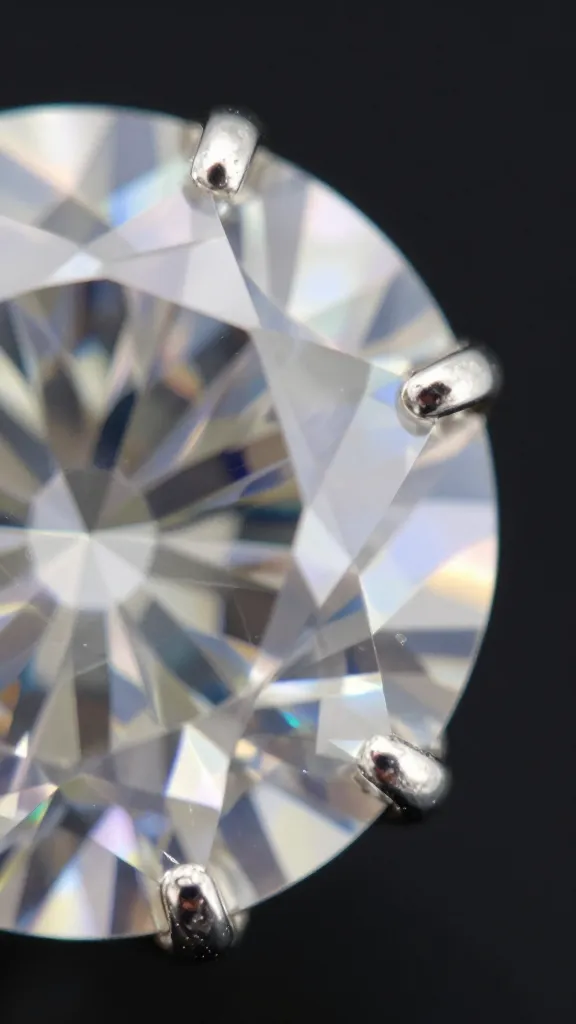
You don’t baby your ring? Same. Let’s talk settings.
- Marquise: The points are fragile. They need V-prongs or a bezel to protect them from chips. If you wear your ring 24/7 and open boxes with it (don’t), be extra cautious.
- Cushion: Rounded corners = tougher. It’s a friendlier everyday shape, especially in a bezel or halo.
Settings That Slap (in a Good Way)
- Marquise: Solitaires look insanely sleek. East–west settings feel modern. Halos boost size, and V-prongs are non-negotiable.
- Cushion: Halos were basically invented for cushions. Solitaires with chunky prongs look delicious. Pavé bands match the sparkle vibe perfectly.
Style Personality: What Each Cut Says Without Saying It
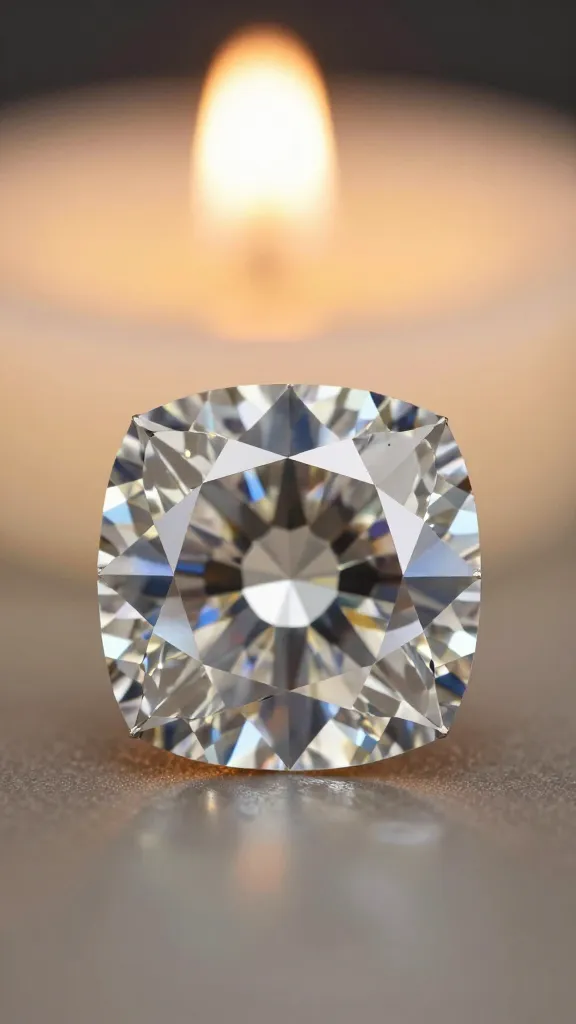
Let’s stereotype a little. It’s fun.
- Marquise: Bold, slightly extra, unapologetically glam. It screams vintage royalty and fashion-editor energy.
- Cushion: Soft, romantic, and versatile. It gives old-Hollywood charm with modern wearability. IMO, it’s the safest bet if you love classic with a twist.
Trend Watch
Marquise had a big ’80s moment and it’s back in a chic, minimal way. Cushions? Perennial favorite—bridal’s comfort food. Resale and timelessness lean cushion, but if you want to stand out, marquise delivers.
Budget Talk: Where Your Money Goes
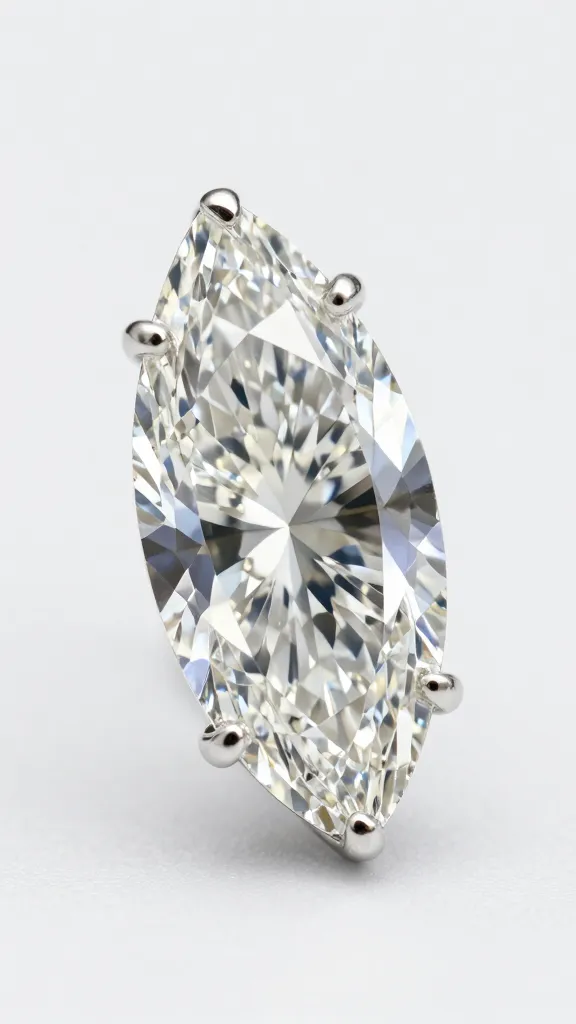
Pricing shifts with demand and quality, but here’s the gist:
- Marquise: Often priced slightly lower per carat than rounds. You can score value, especially if you nail the cut and symmetry.
- Cushion: Can offer excellent value compared to rounds, particularly in crushed-ice versions. Chunky antique-style cushions with top light performance can cost more due to rarity.
Smart Money Moves
- Pick color based on metal—drop one or two grades in yellow/rose gold.
- Prioritize cut and light performance over small bumps in clarity.
- Use video and return policies. Photos lie; lighting lies more. FYI, always check proportions and symmetry.
Try-On Reality: What Looks Good on Which Hands?
Fit matters. Shapes change how your hand looks.
- Shorter fingers: Marquise elongates like crazy. Cushions work too—choose an elongated cushion and a slim band.
- Longer fingers: Both shine. Square cushions look balanced; marquise brings drama.
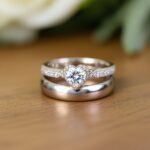
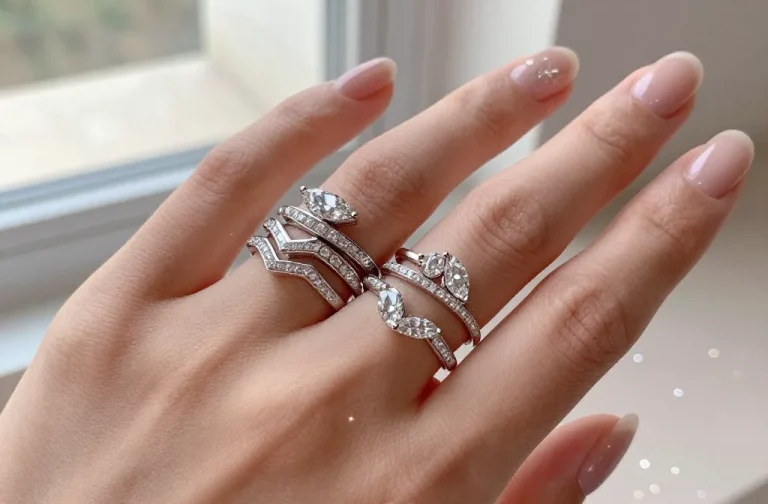
- Stackers and bands: Cushions pair easily with straight bands. Marquise sometimes needs a curved or notched band to sit flush.
FAQ
Which cut looks bigger for the same carat?
Marquise typically faces up larger thanks to its length and shallow spread. Cushions look substantial but sit deeper, so they appear a bit smaller than rounds and marquise at equal carat weights.
Is a marquise too fragile for daily wear?
Not if you protect it. Use V-prongs or a bezel, avoid knocking the tips, and size the ring properly so it doesn’t spin. If you’re very active or hard on jewelry, consider a cushion for extra peace of mind.
Do cushions always look “vintage”?
Nope. A clean solitaire with a thin, modern band reads fresh and minimal. The “vintage” vibe comes from chunky facets, halos, and milgrain—choose a sleek setting if you want modern energy.
How do I avoid the bow-tie effect?
Review videos and ask for images under neutral lighting. With marquise, focus on even brightness and minimal dark stripe. With cushions, avoid stones with obvious dead zones. An ASET image helps show light return if the seller provides it.
What metal works best with each cut?
White metals (platinum/white gold) emphasize brightness and crisp lines—great for both. Yellow and rose gold warm up J–I cushions beautifully. Marquise in yellow gold = peak retro glam; just balance color choice so the tips don’t look tinted.
Chunky vs crushed-ice cushion: which should I choose?
It’s a personal preference. Chunky facets give bold, organized flashes and photograph beautifully. Crushed ice twinkles constantly and can hide inclusions and color. Try both in video; your eyes will pick a side instantly.
The Bottom Line
Choose marquise if you want bold, elongated elegance, extra finger drama, and don’t mind protecting those tips. Choose cushion if you love romantic sparkle, versatile styling, and everyday durability. Both win when you prioritize cut quality, smart color choices, and the right setting. IMO, go with the shape that makes you grin when you catch it in the elevator mirror—your ring should feel like you on your best day.