You want wedding stationery that looks gorgeous, feels luxe, and won’t get tossed in 2 seconds flat. Same. 2026 brides are ditching cookie-cutter invites and leaning into story-driven design, texture, and tech that actually works. If you’re planning to wow your guests from mailbox to “I do,” these trends will do the heavy lifting.
Let’s get your paper game on point.
Bold Type, Big Personality
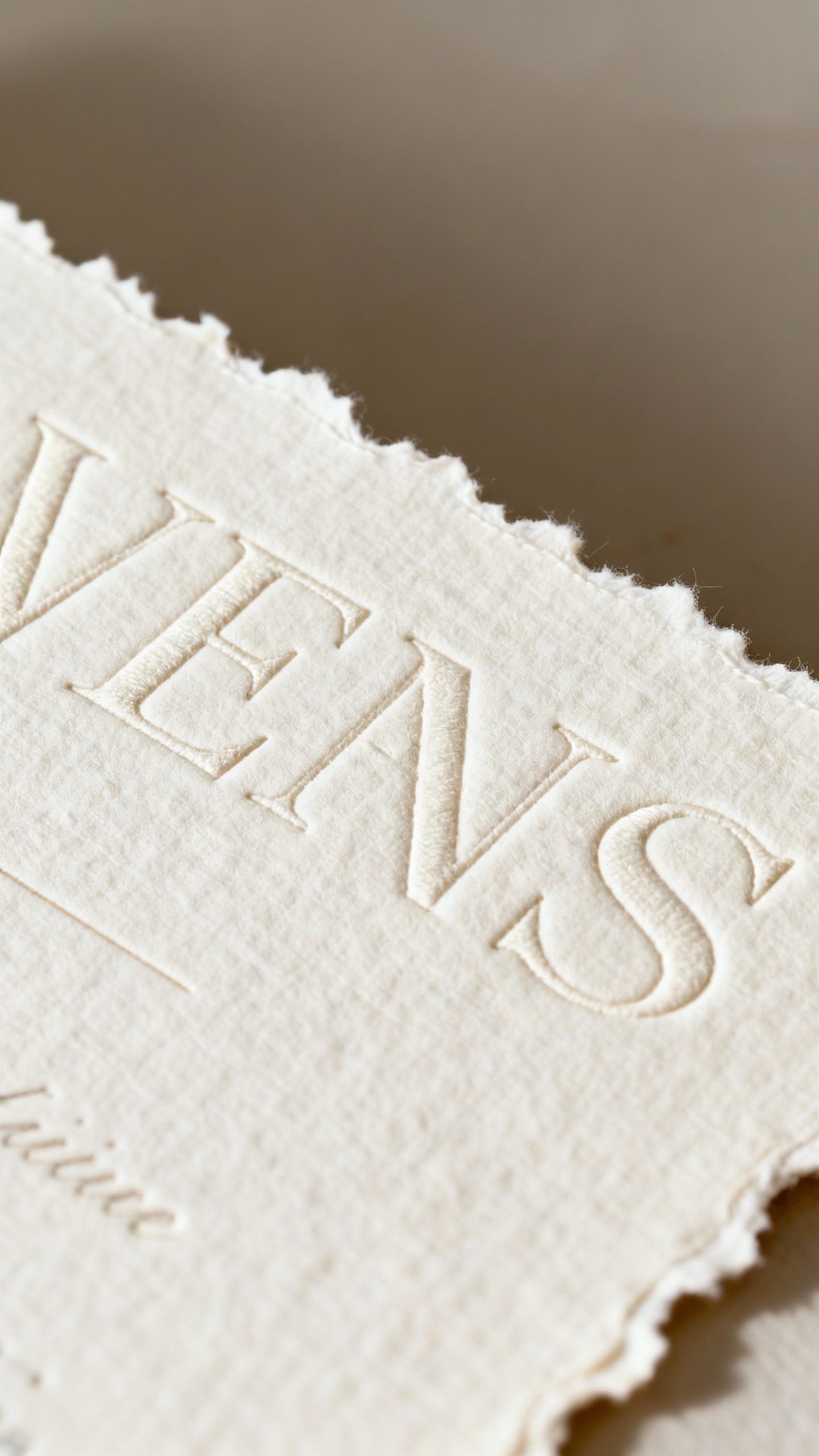
Typography isn’t just text anymore—it’s the whole vibe. Couples are choosing statement fonts that mirror their aesthetic, from unapologetically modern to romantic with an edge.
- Maximalist fonts: Chunky serifs and high-contrast type look chic and editorial, especially with minimalist layouts.
- Customized type: Slight tweaks to letters (hey, swoopy R) make your names feel like a logo.
- Oversized names: Your names get hero placement, with smaller text playing supporting roles.
Color + Type: The Power Couple
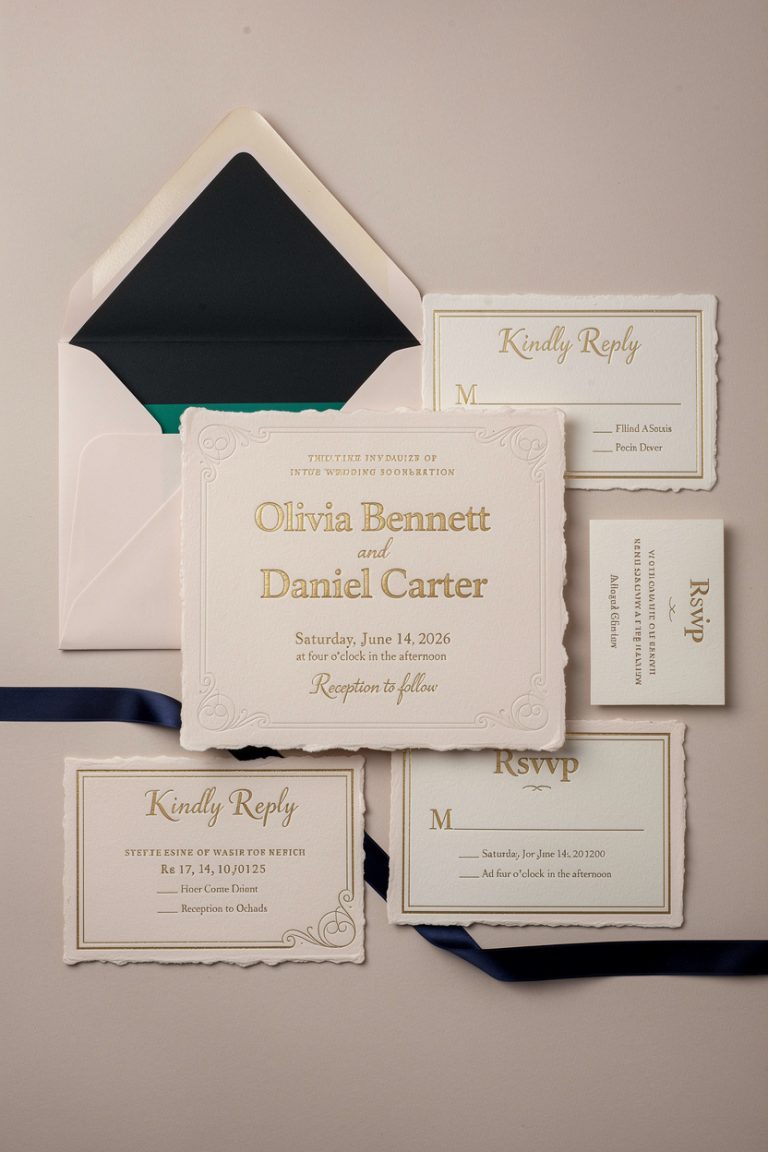
Pair saturated ink (emerald, mulberry, slate blue) with confident typography for instant drama. Feeling extra? Blind emboss the type for a tactile hit that screams expensive—without actually screaming.
Texture-Forward Paper (Because Touch Matters)
2026 belongs to paper you can feel.
Think tactile, dimensional, and a little unexpected.
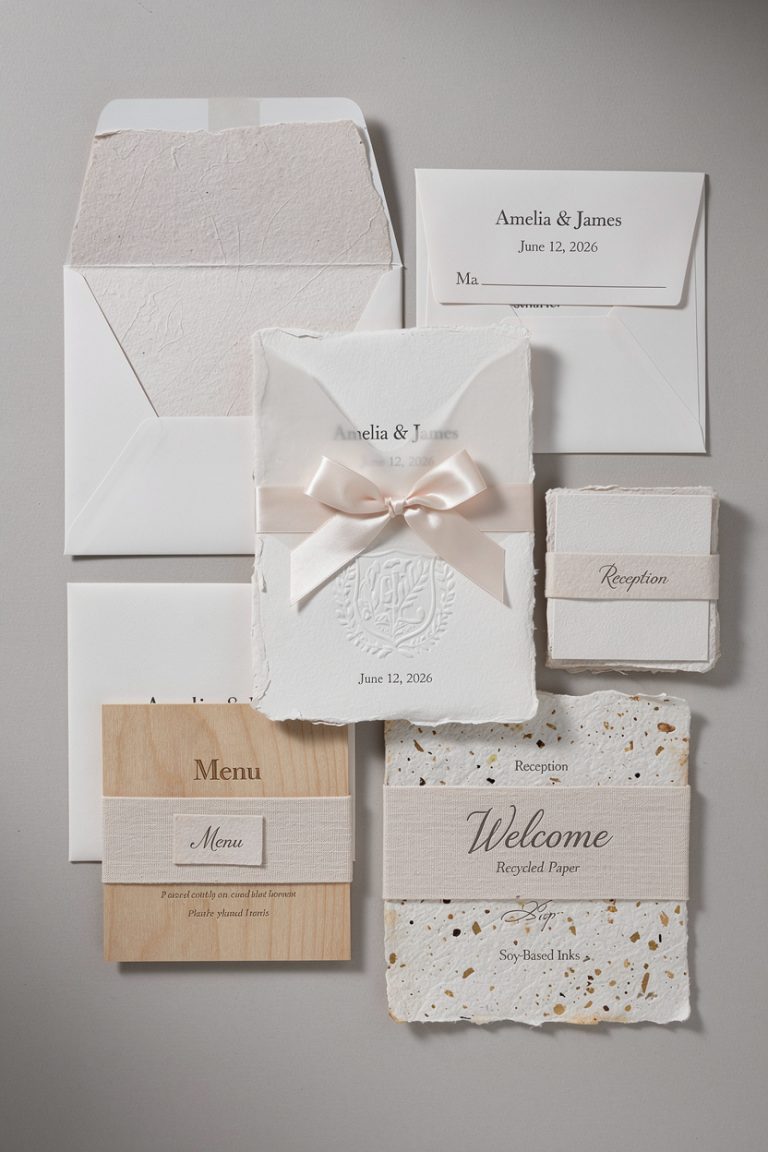
- Handmade cotton stock: Soft edges and a luxe weight that feels artisanal in the best way.
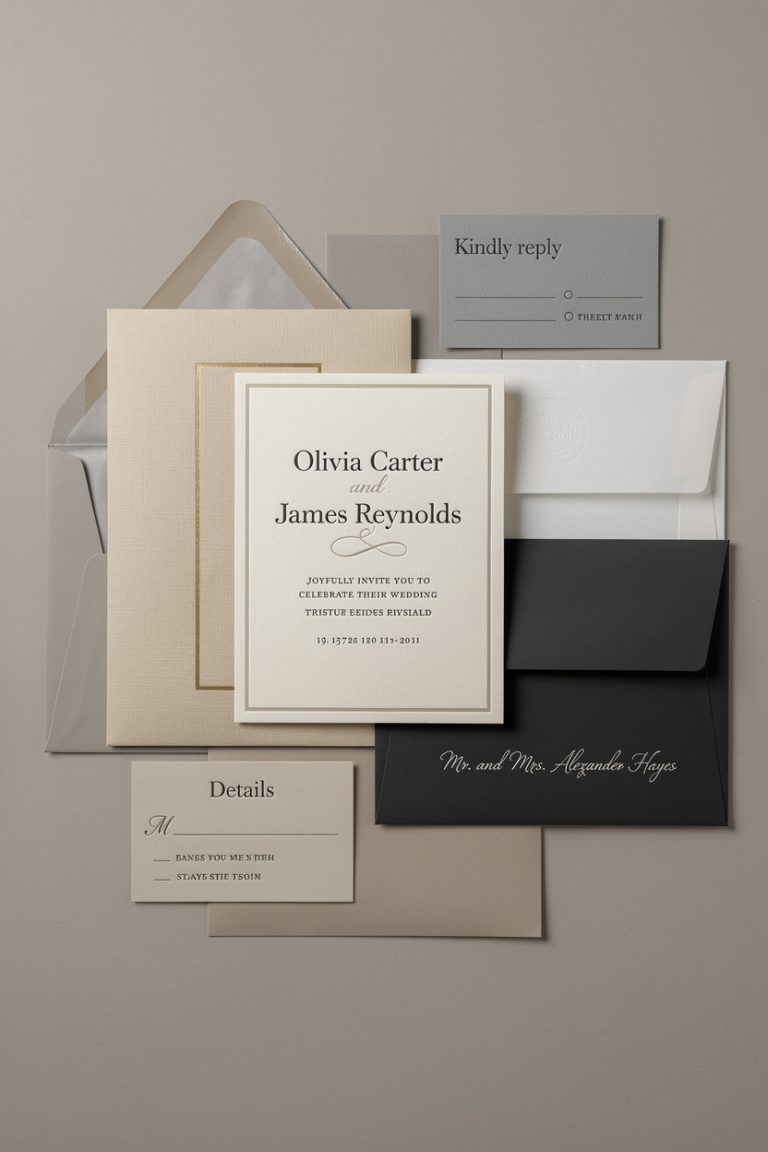
- Textured linens and felts: Adds depth without adding clutter—great for minimal designs.
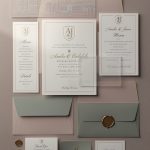
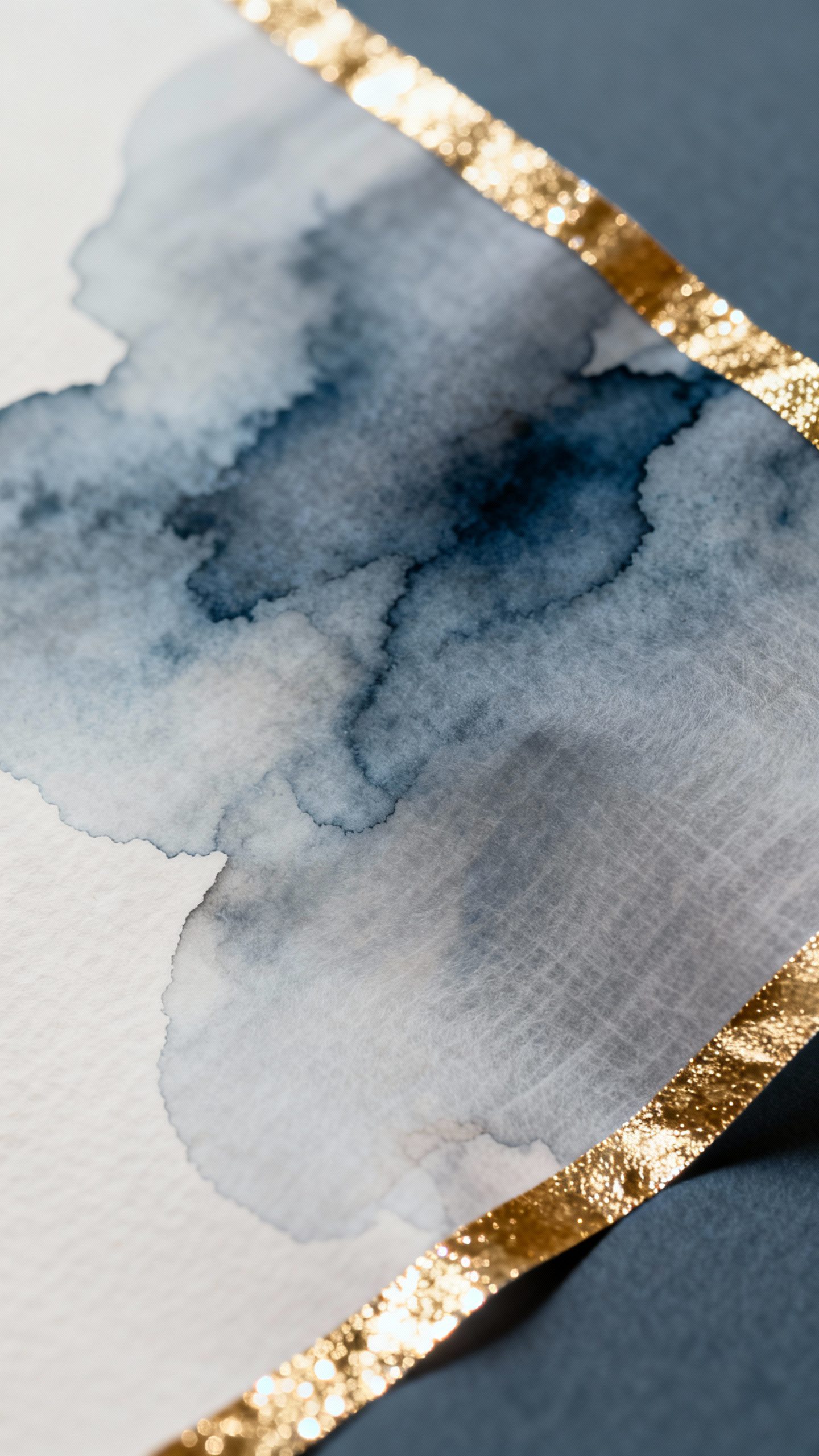
- Translucent vellum: Layer it over color or a watercolor wash for a dreamy reveal moment.
- Eco bamboo and recycled pulp: Earth-friendly with a modern matte finish.
Layering That Doesn’t Overwhelm
Stick to two layers max: a heavyweight main card and one accent (vellum wrap, colored backer, or belly band). Anything more can feel bulky and eat postage fast. FYI: USPS and your budget will both thank you.
Color Stories: Moody, Earthy, and Slightly Unexpected
Pastels had a moment. 2026 trends lean moodier and more complex.
- Earth-core glam: Olive, clay, eucalyptus, and sandstone with metallic ink for polish.
- Jewel tones: Deep currant, sapphire, and forest—especially for evening weddings.
- Monochrome palettes: One color, multiple shades.It looks designer without trying too hard.
- Black and off-white: Crisp, timeless, and super chic when paired with bold type.
Metallics Without the Glitter Mess
Foil still slays, but couples use it sparingly—think foiled borders, initials, or thin line art. Champagne and soft gold read luxe without screaming “disco ball.”
Illustrations That Actually Tell Your Story
Custom art elevates your suite and makes it feel personal (not Pinterest clone). You don’t need a fully illustrated invite—choose one hero element.
- Venue portraits: Watercolor or line art of your location printed as a background or on the details card.
- Maps: Playful map with icons for ceremony, reception, welcome drinks—aka guest roadmap to fun.
- Bespoke monograms: Your initials with motifs tied to your story (olive branch, book, surfboard—go wild).
- Floral motifs: Use stems or silhouettes rather than full florals for a modern, airy feel.
How to Keep It Cohesive
Pick one motif and carry it across pieces—save the date, invite, menus, thank-you notes.
Consistency = polished, even if you mix paper or colors.
Finishing Touches That Make People Gasp (In a Good Way)
These extras pack serious impact and photograph beautifully.
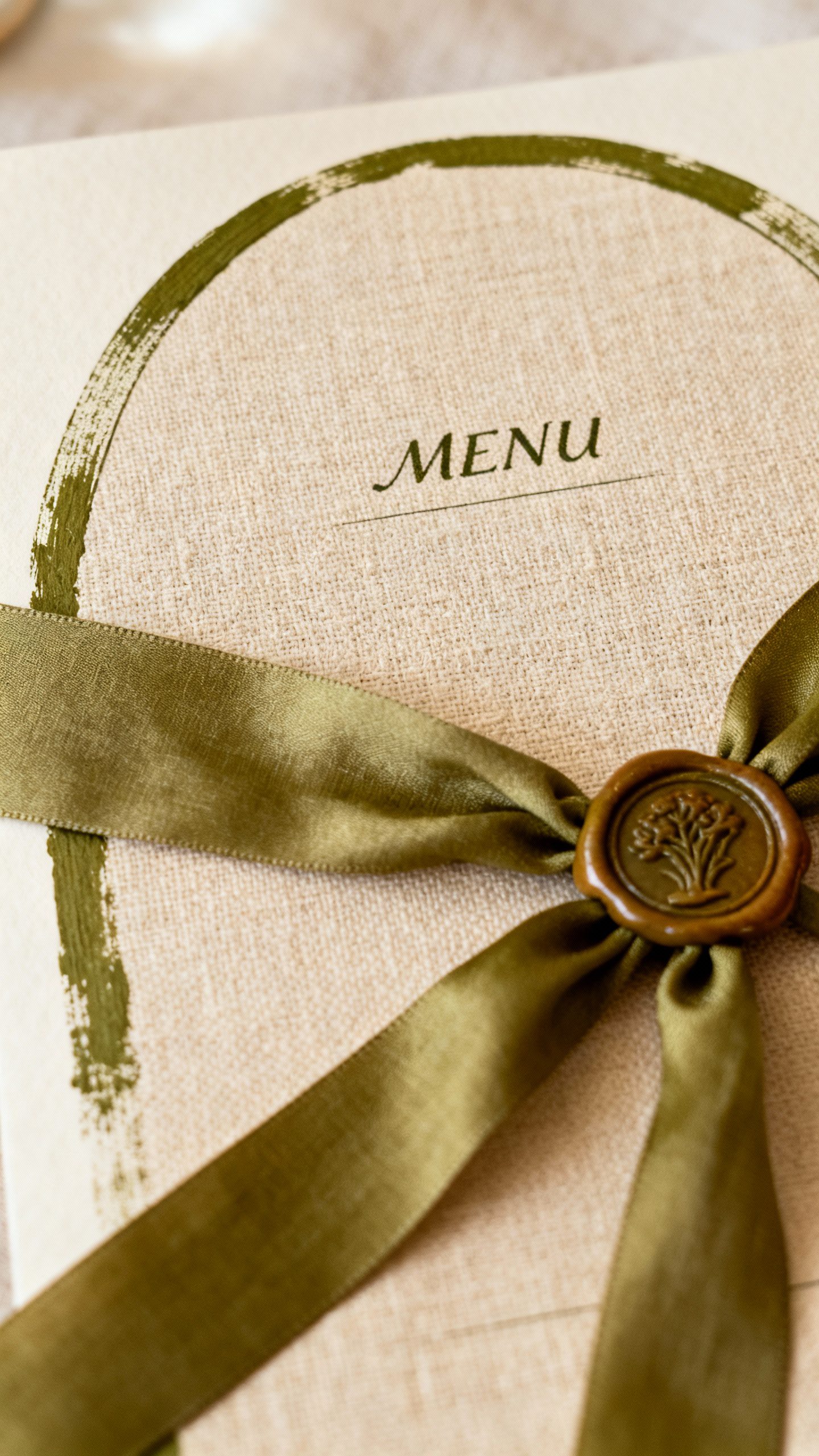
- Wax seals: Pre-adhesive seals for no-mess elegance. Use them on belly bands or envelopes.
- Deckled edges: Soft, hand-torn edges for a romantic, old-world vibe.
- Edge painting: Color on the edges—neon or metallic for a hidden pop.
- Die-cuts and arch shapes: Arches, scallops, or half-moons add dimension with minimal clutter.
- Ribbons and threads: Silk or gauze ribbon for softness; thin twine for rustic or coastal vibes.
Letterpress vs. Foil vs.
Digital
– Letterpress: Debossed texture, rich and tactile. Best for thick paper. – Foil: Metallic shine, sharp edges, super crisp. – Digital: Budget-friendly and flexible with color. IMO, mix techniques if budget allows: letterpress main invite + digital details card + foil monogram = chef’s kiss.
Sustainability With Style
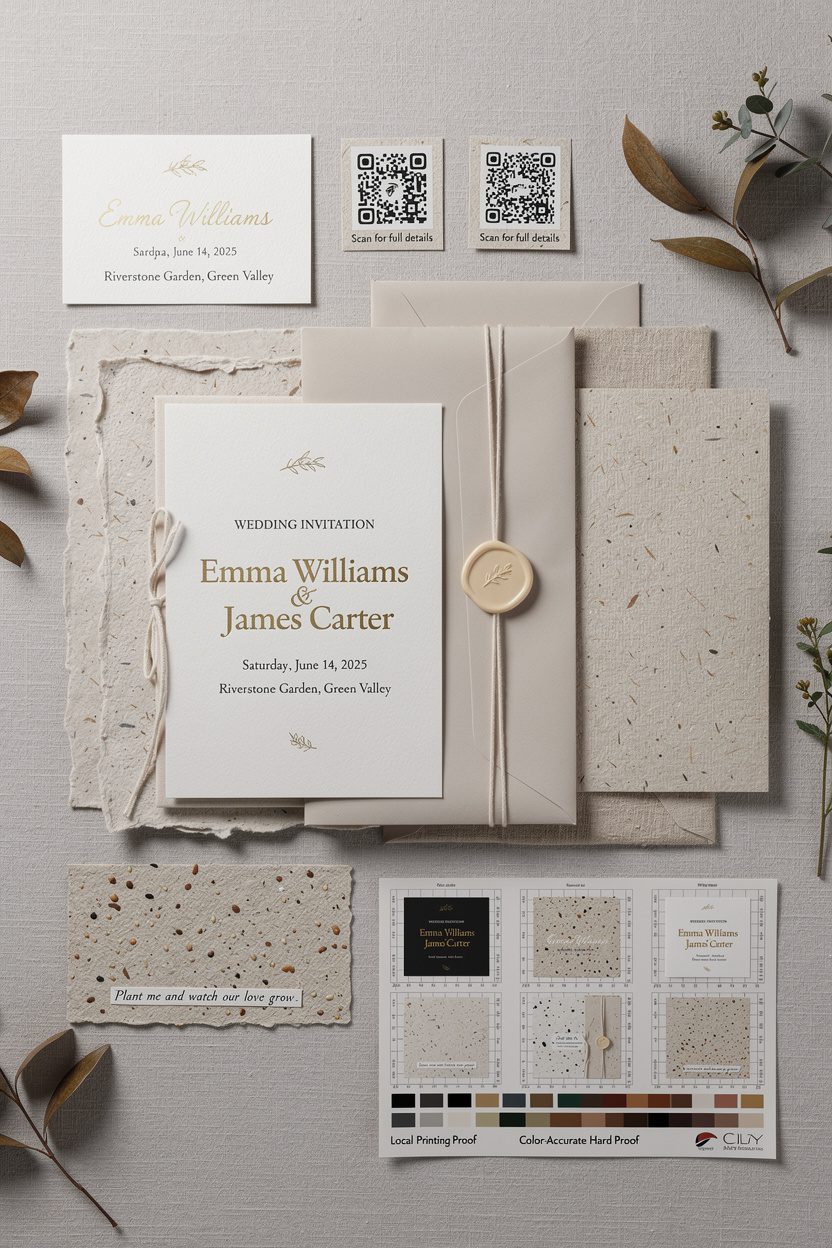
Want gorgeous stationery without eco-guilt?
You’ve got options.
- Recycled and tree-free papers: Cotton, bamboo, and hemp feel luxe and print beautifully.
- Plantable seed paper: Guests can plant their save the dates. Cute, memorable, and green.
- Minimal inserts: Use a QR code on the details card instead of multiple info sheets.
- Local printing: Cuts shipping emissions and speeds up turnaround.
Smart Printing Cuts Waste
Print extras sparingly (5–10% over your count is enough). And proof everything carefully—typos waste trees and dollars.
Ask for a hard proof if you’re picky about color.
Smart Tech, Done Tastefully
No one wants a chaotic QR circus. Keep tech simple and stylish.
- Elegant QR codes: Small, custom-colored codes that link to your wedding site for RSVPs and travel info.
- NFC tags: Tiny tap-to-open chips embedded in the details card—fancy and frictionless.
- Dynamic updates: Changeable web pages for last-minute weather or timing shifts. FYI, it saves frantic texts.
Digital Save the Dates
Digital STDs are officially mainstream—and smart.
Send them early, then wow everyone with a tactile, print invite closer to the date. It keeps momentum without front-loading your budget.
Day-Of Paper That Feels Curated
Don’t spend your entire budget on the invite and forget your tables. Day-of pieces tie the whole visual language together.
- Statement menus: Arched or layered menus double as decor.
- Place cards with purpose: Add a fun prompt or keepsake element (pressed flower, wax seal).
- Programs guests keep: Make them mini zines with your story, wedding party intros, and a playlist.
- Signage: Match your paper suite—fonts, colors, motifs—to keep everything cohesive in photos.
Pro Move: The Welcome Suite
Put a petite welcome card in hotel bags with schedule, transportation, and a QR code.
Your guests will feel cared for—and they’ll stop asking for the shuttle time every 15 minutes.
Budgeting Without Tears
You can have killer stationery without selling a kidney. Prioritize the “touchpoints” guests notice most.
- Splurge: Main invitation card (paper and print method), envelopes, and one special finish.
- Save: Details card via digital print, simple RSVP via website, DIY assembly.
- Batch your upgrades: Edge paint or wax seals on half the suites for VIPs—yes, that’s allowed.
- Order early: Rush fees sting. Aim to print 3–4 months before mailing.
FAQ
When should I send save the dates and invitations?
Send save the dates 8–10 months out (12+ for destination weddings).
Mail invitations 8–10 weeks before the big day. If you expect lots of out-of-towners, lean closer to 10 weeks.
How many invitation suites should I order?
Order by household, not human. Add 5–10% extras for late additions, keepsakes, and inevitable handwriting oopsies.
Keep one pristine copy for photos and your scrapbook.
Is letterpress worth the cost?
If you love texture, yes. Letterpress gives that deep, pillowy impression that feels luxurious. If budget’s tight, do letterpress just for the main card and print the rest digitally—best of both worlds, IMO.
Do I still need physical RSVP cards?
Not unless you want them.
A clean details card with a QR code to your website keeps things streamlined and eco-friendly. If older guests appreciate paper RSVPs, include a small card for them only.
How do I pick a cohesive theme without looking matchy-matchy?
Choose one anchor: a color palette, monogram, or motif. Repeat it across pieces with small variations.
Think “same family, different outfits,” not clones.
What’s the biggest stationery mistake to avoid?
Overstuffing your suite. Too many inserts, fonts, or embellishments can feel chaotic. Edit ruthlessly and let one or two elements shine.
Your future self (and your wallet) will thank you.
The Final Word
Your stationery sets the tone long before the music starts and the champagne pops. Go for confident type, touchable paper, and one personal element that makes guests say, “That is so them.” Keep it cohesive, a little bold, and tech-smart. Do that, and your invitations won’t just get opened—they’ll get pinned on the fridge like art.