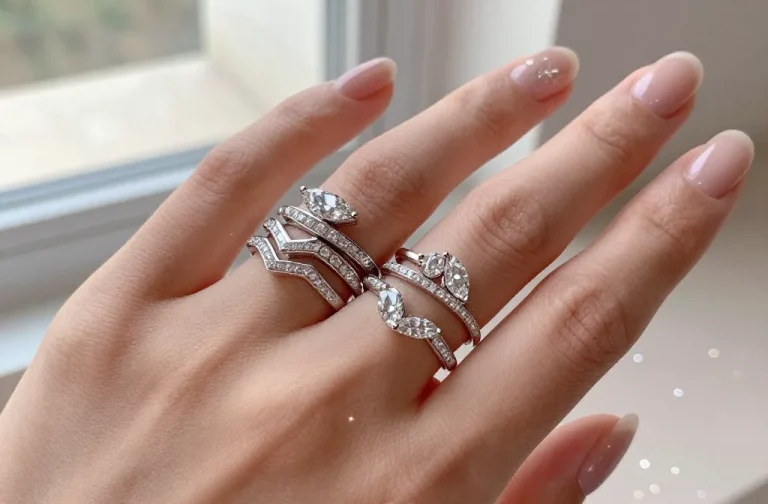
You want romance with a little extra drama? Meet the marquise engagement ring—long, lean, and unapologetically glamorous. Pair that silhouette with the bold geometry and glitter of the 1920s, and you’ve basically got a tiny Art Deco time machine for your finger. We’re talking Gatsby-level sparkle, clean lines, and vintage swagger that still looks fresh today. Ready to peek behind the velvet curtain?
Why the Marquise Shape Feels So 1920s
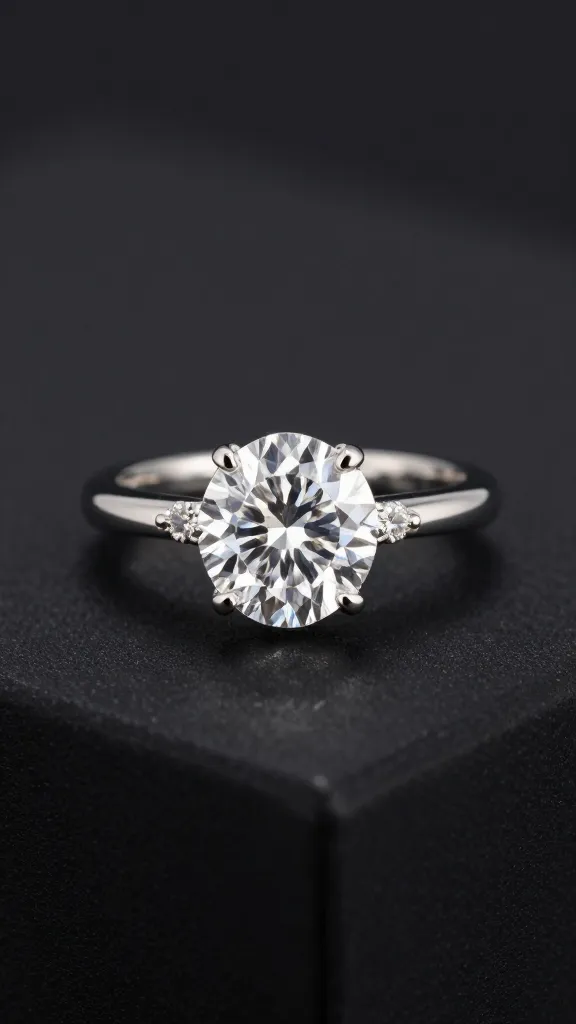
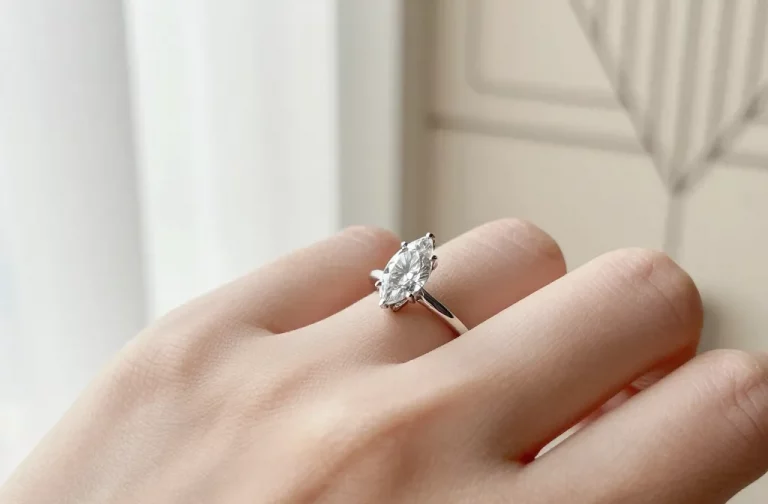
The marquise cut stretches the diamond into an elegant boat shape—pointed at both ends, curvy in the middle, like a smile that knows it’s getting compliments. That elongated look screams vintage because it pairs beautifully with the sharp symmetry and bold patterns of the Art Deco era.
Art Deco style loves order and opulence. In the 1920s, designers leaned into:
- Geometric lines that frame the center stone like architecture
- Contrasting color from sapphires, onyx, and emeralds
- Metalwork that looks like lace—but it’s metal, so it lasts
The marquise fits this vibe perfectly: it elongates the finger, takes well to halo frames, and can handle a little (okay, a lot) of sparkle without looking overdone. FYI, it’s dramatic in the best way.
Signature 1920s Details to Look For
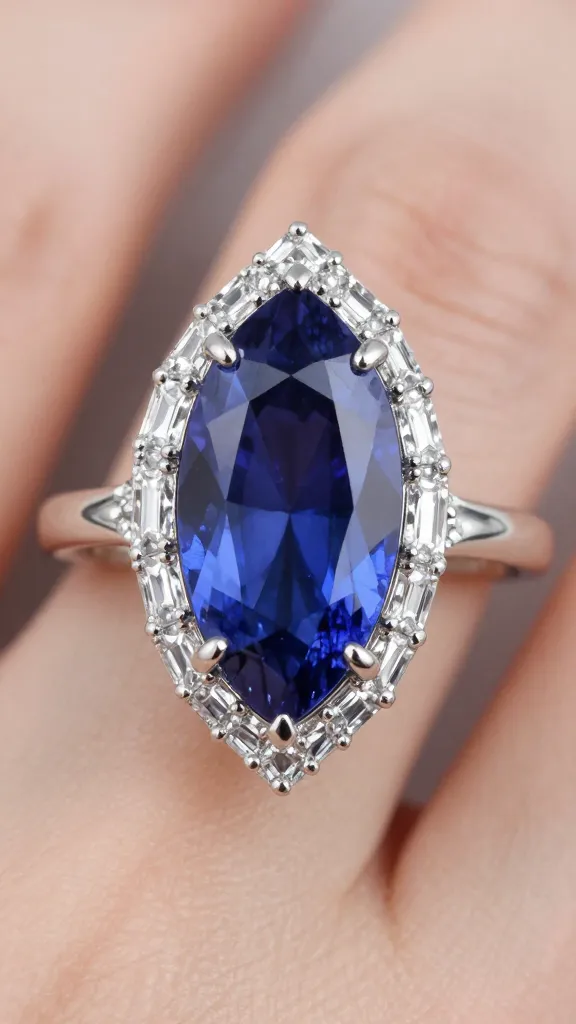
Want a ring that actually looks vintage, not just “vintage-inspired”? Keep an eye out for these hallmarks.
- Milgrain edging: Tiny beaded borders around metalwork. It adds texture and that unmistakable antique finish.
- Filigree and pierced galleries: Delicate cutouts and scrolls under the stone. Think hidden beauty when you tilt the ring.
- French or single-cut diamonds: Smaller accent stones with a subtle, twinkly sparkle that feels period-correct.
- Calibre-cut gems: Precisely shaped sapphires or onyx pieces hugging the center marquise.
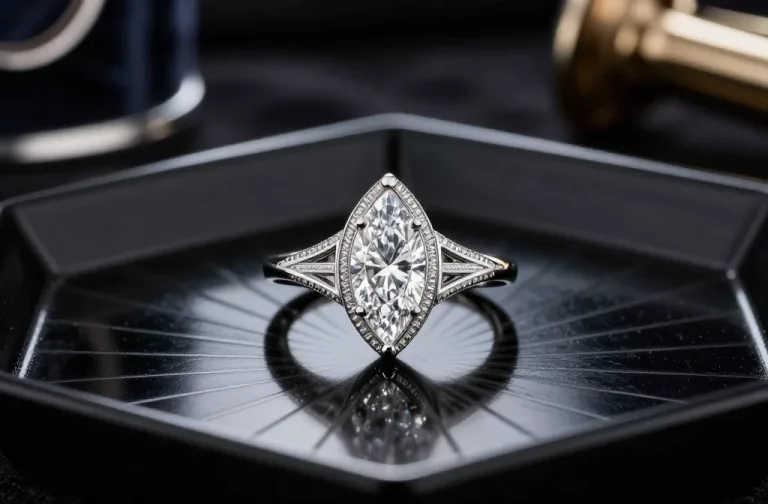
- Geometric halos: Octagons, navettes, and stepped halos that mimic skyscraper vibes. Yes, your ring can look like the Chrysler Building.
Art Deco Color Combos that Slap (IMO)
– White diamond with royal blue sapphire halo: crisp, cool, and timeless
– Diamond with black onyx shoulders: moody elegance for the drama lovers
– Marquise emerald center with diamond halo: a bold twist for maximalists
All About Proportions: Getting the Marquise Just Right
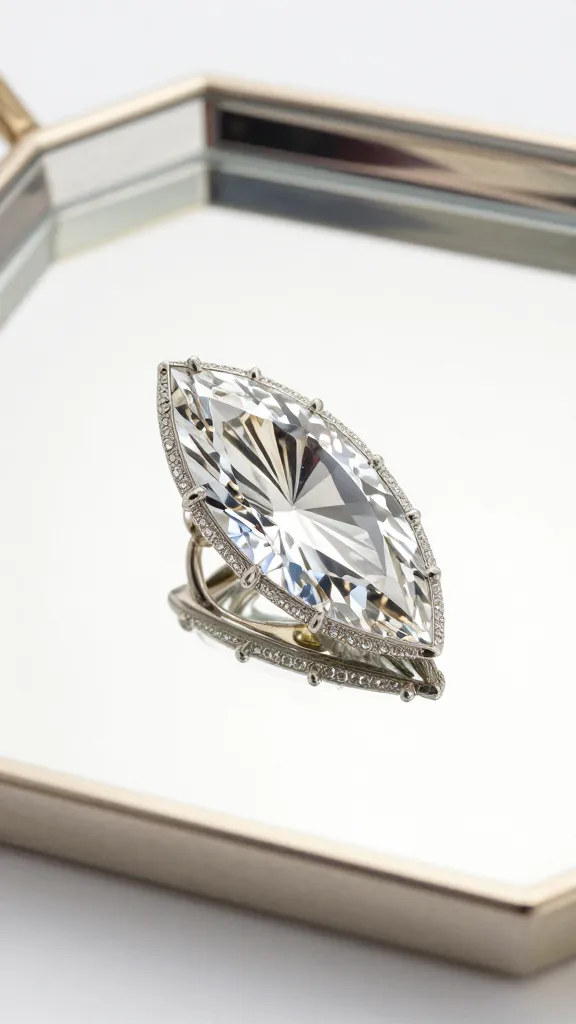
Marquise brilliance depends on proportions. Too stubby, and it looks clunky. Too long, and it looks like a fancy tooth (said with love).
Here’s the sweet spot:
- Length-to-width ratio: Aim for 1.9–2.2 for classic elegance.
- Bow-tie effect: Most marquises show a slight bow-tie shadow—choose one where the bow-tie doesn’t dominate.
- Point protection: Always use v-prongs or bezel tips to guard the ends. The points chip first—protect the divas.
Set It High? Set It Low?
– Low-profile settings feel more authentically vintage and snag less.
– Higher settings give more light and drama but require care. Pick your fighter.
Best Settings for a 1920s-Inspired Marquise
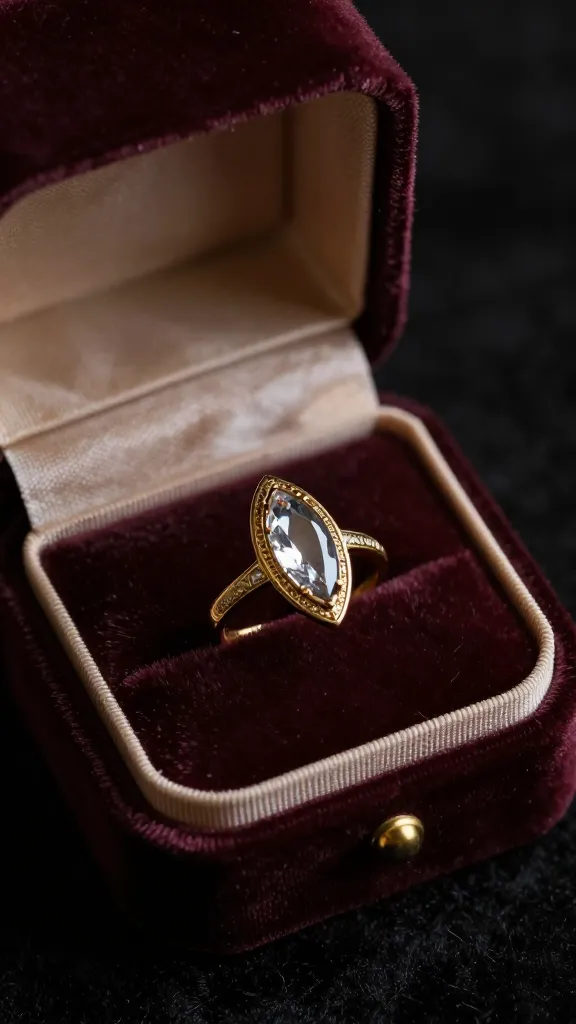
Let’s match that shapely stone with a setting that completes the aesthetic.
- Bezel with milgrain: Frames the marquise in a thin rim of metal—period-perfect and super secure.
- Halo with calibre-cut gems: Very Deco, very glam. Sapphires or onyx create killer contrast.
- Split shank: The band divides near the center, adding geometry and balance to the long stone.
- East-west orientation: Flip the marquise sideways for a chic twist that still nods to the era.
- Shoulder details: Fan motifs, chevrons, or stepped shoulders echo the 1920s skyline aesthetic.
Antique vs. “Inspired”
– Authentic antiques bring history and old-cut charm but can need more TLC.
– Inspired modern pieces give you the look with sturdier construction, lab-grown options, and precise craftsmanship.
– IMO, if you want daily-wear durability with vintage looks, go “inspired” and customize the details.
Metal Choices That Nail the Look
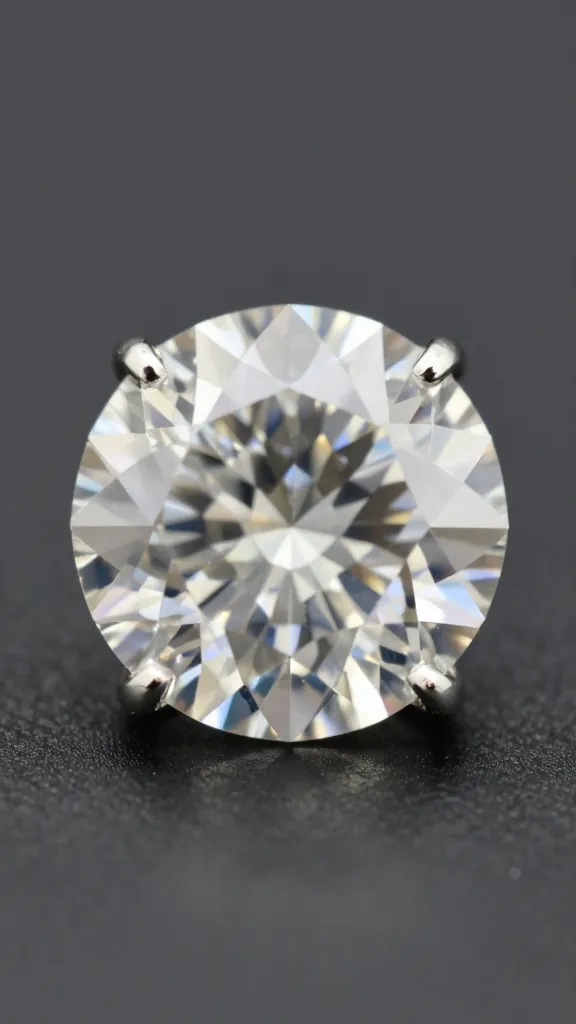
Not all metals channel the Jazz Age equally. Choose wisely.
- Platinum: The 1920s hero. Cool, bright, and durable. It’s heavy, but it screams authentic Deco.
- White gold: A budget-friendlier platinum lookalike. Just expect rhodium replating every few years.
- Yellow or rose gold: Less Deco, more Edwardian-meets-modern. Still gorgeous—especially mixed with white metal bezels for contrast.
Finish Matters
– High polish for classic glam
– Satin or brushed for a lived-in antique vibe
– Add engraving on the shank for that heirloom touch
Stone Choices: Diamond, Moissanite, or Color?
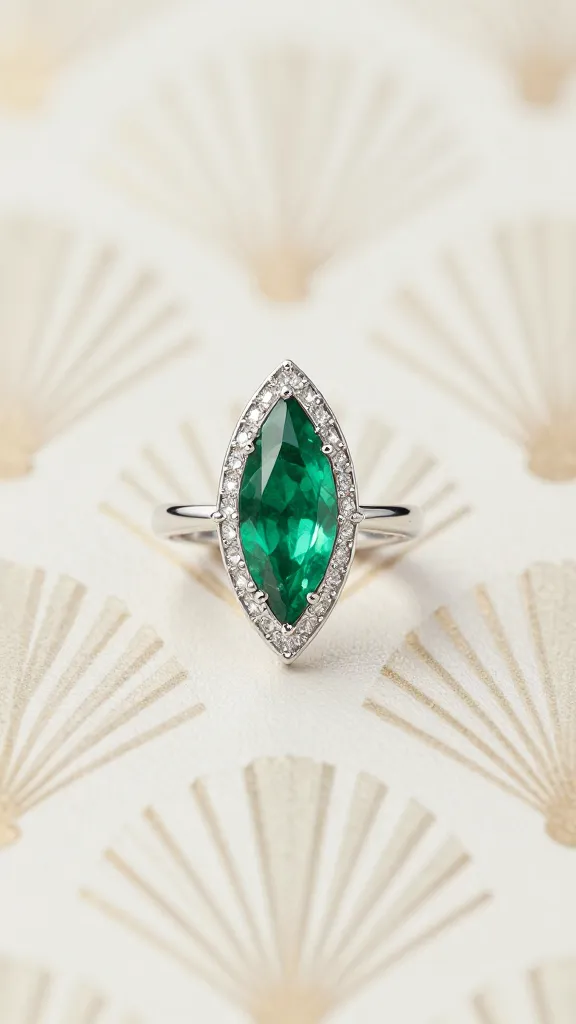
You’ve got options—and they’re all fabulous in their own way.
- Diamond: Traditional, durable (10/10), and bright. Look for VS–SI clarity in a marquise to keep the center clean, since the shape can highlight inclusions.
- Moissanite: Extra fiery sparkle and budget-friendly. Just know it flashes a bit more rainbow than diamond. Some people love that; others prefer diamond’s white light.
- Colored centers: Emerald, sapphire, or even onyx for pure Deco drama. With emeralds, be gentle—they’re softer and often treated.
A Note on Lab-Grown
Lab-grown diamonds and sapphires look virtually identical to natural stones and cost less. If you want a baller Art Deco design without a baller price tag, lab-grown makes sense, FYI.
How to Pair Bands with a Marquise
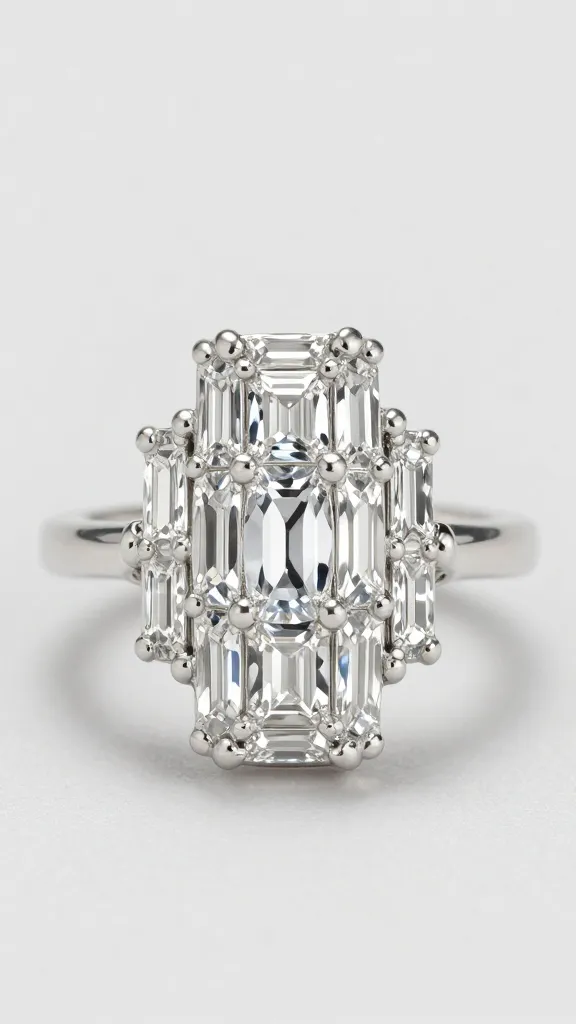
Marquise rings can play nice with bands—but plan your stack.
- Curved or notched bands nestle under halos or bezels without gaps.
- Thin pavé bands keep attention on the center while adding sparkle.
- Art Deco eternity bands with baguettes or calibre cuts complete the vintage story.
- East-west marquise? Try a straight, slim band for chic contrast.
Stacking Strategy (So It Doesn’t Look Like a Traffic Jam)
– Keep one hero piece (the engagement ring)
– Add one complementary band with texture or engraving
– Optional third band with subtle sparkle—then stop. Restraint = chic.
Caring for Your Vintage-Inspired Marquise
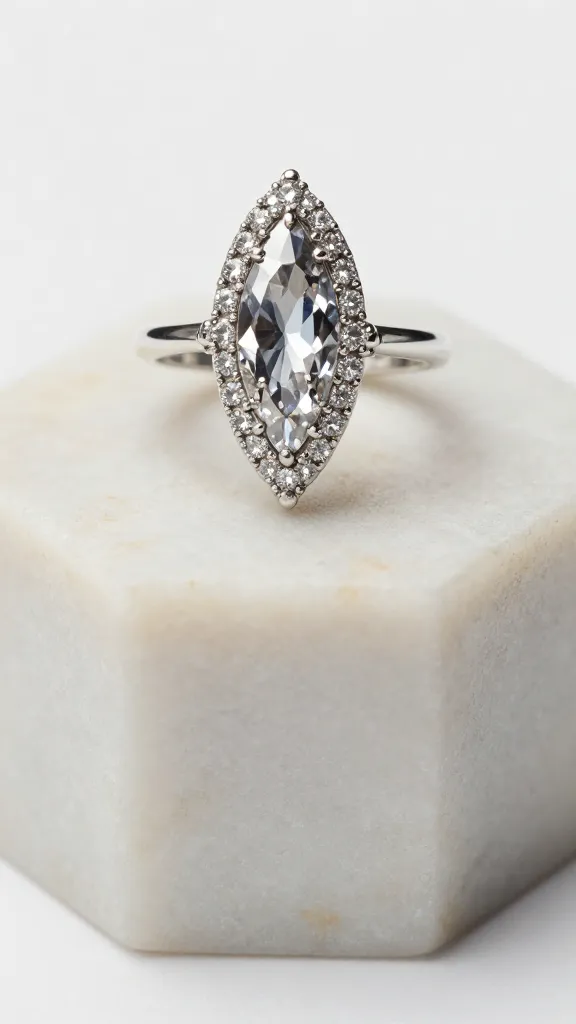
A little maintenance keeps the magic going.
- Check prongs and tips every 6–12 months, especially v-prongs on the points.
- Clean at home with warm water, mild dish soap, and a soft brush. No harsh chemicals on plated metals or treated gems.
- Remove for workouts and yard work. I know, it’s cute to deadlift with diamonds, but your ring disagrees.
- Store separately so the points don’t scratch other jewelry.
FAQ
Do marquise diamonds look bigger than other shapes?
Yes—optical illusion for the win. The elongated outline spreads carat weight across your finger, so a marquise often looks larger than a round of the same weight. Great if you want major presence without maxing the budget.
What’s the best orientation: north-south or east-west?
North-south (points up and down) gives that classic, finger-lengthening elegance. East-west feels modern and playful while still nodding to vintage style. Choose based on your vibe—and how you plan to stack bands.
How do I avoid the marquise “bow-tie” shadow?
You can’t avoid it completely, but you can minimize it. Look for good symmetry, balanced depth, and strong light return. When shopping, tilt the stone under different lights. If the bow-tie looks like a black belt across the middle, hard pass.
Is platinum worth the upgrade for a vintage-inspired ring?
If you want authenticity, durability, and low maintenance, yes. Platinum holds detail (like milgrain) beautifully and doesn’t require replating. White gold saves money upfront, which you can put into the center stone—also a valid strategy, IMO.
Can I wear a true antique marquise every day?
You can, but be realistic. Antique rings may have thinner shanks, delicate filigree, and older stones with unique quirks. If you’re hard on your hands, consider a modern-made vintage style for daily wear and keep the antique for special occasions.
What wedding bands pair best with a Deco marquise?
Curved or contour bands fit snugly around halos and bezels. For maximum Deco points, try a band with baguettes, calibre-cut sapphires, or a chevron shape that echoes the marquise points. Keep widths slim so the stack doesn’t overwhelm your finger.
Conclusion
A 1920s-inspired marquise engagement ring blends elegance, geometry, and a little swagger. Choose clean lines, milgrain details, and smart proportions, and you’ll channel true Art Deco energy without looking costume-y. Whether you go antique or custom-made, the marquise brings that “wow, who is she?” moment every time you raise a glass—preferably champagne, obviously.