An iconic church wedding dress is more than fabric and lace—it’s a vow you wear. Let’s dive into why the classics endure, how to pick one that fits your vibe, and how to avoid looking like a museum mannequin on your big day.
What Makes a Church Dress Feel Timeless
This image was AI-generated or AI-enhanced.
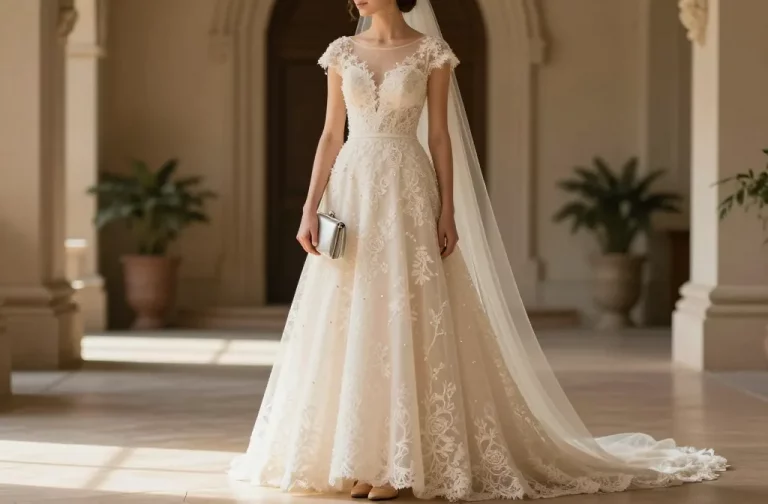
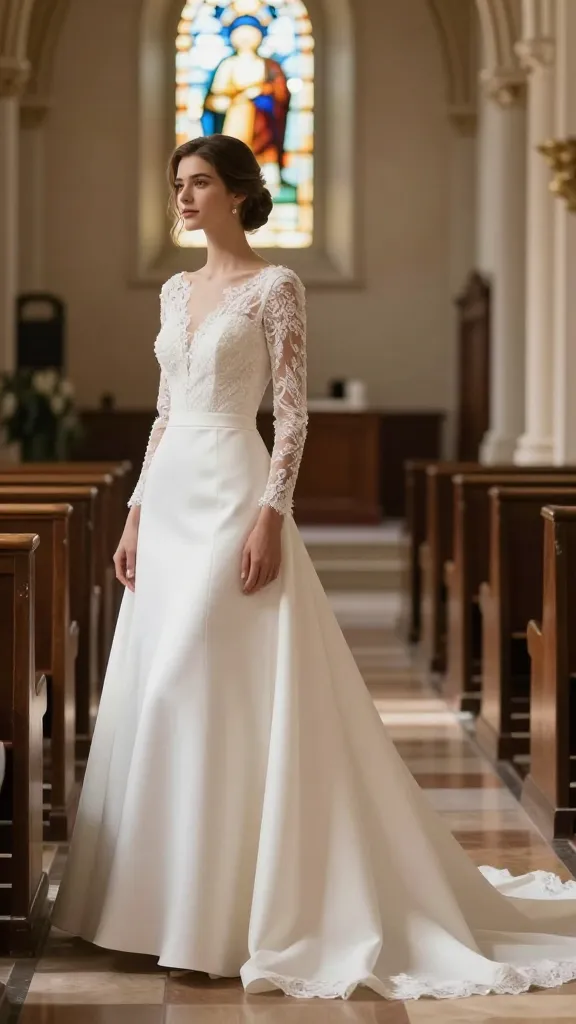
A church dress isn’t about trend-chasing; it’s about reverence, silhouette, and comfort that lasts from ceremony to after-party. The space matters too—the architecture, the light, and the formality of the day all push you toward a certain kind of elegance. Think clean lines, modesty with personality, and fabrics that move with you, not against you.
Silhouette Snapshots: From A-Line to Ballgown
This image was AI-generated or AI-enhanced.
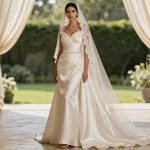
– A-Line: The safe, versatile choice. Flows from the waist, suits most body types, and photographs beautifully in aisle and altar shots.
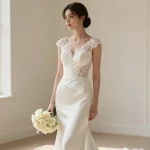
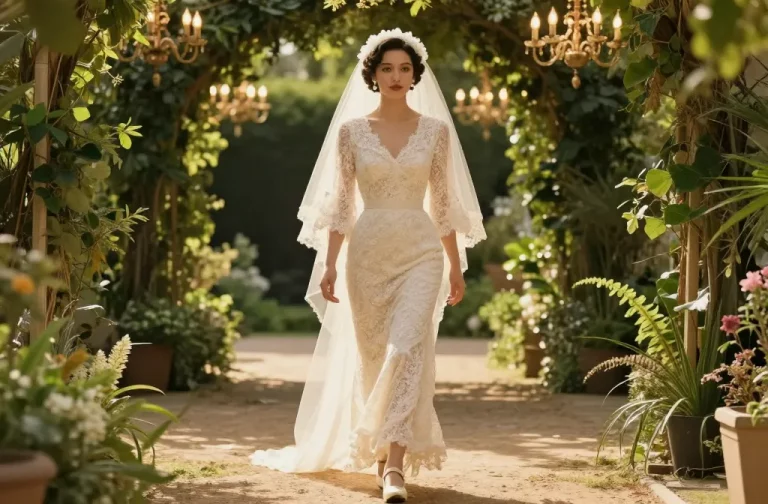
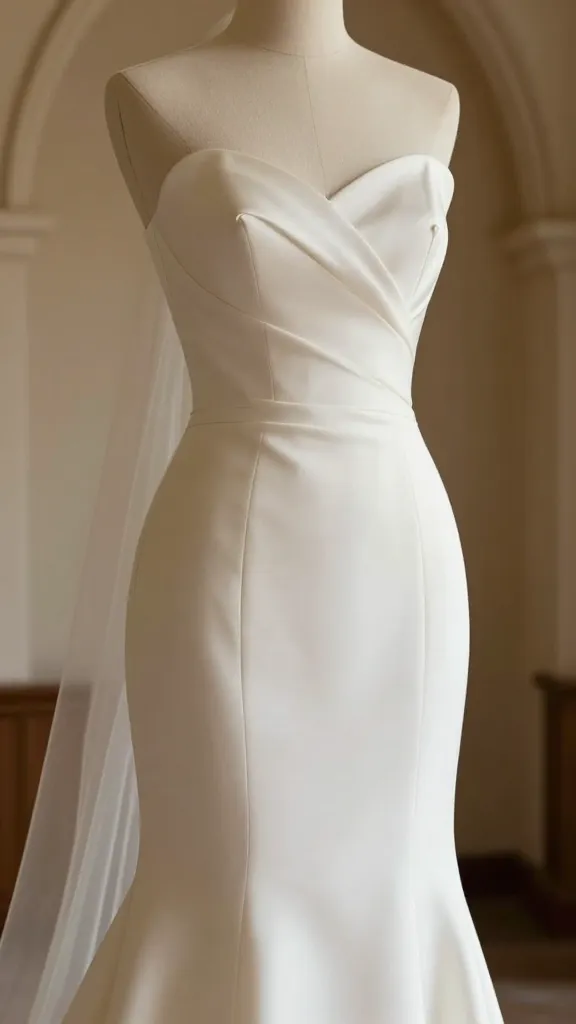
– Fit-and-Flare: Flaunts shape without shouting. Subtle curves can be dramatic under church arches, and it’s great for dancing later.
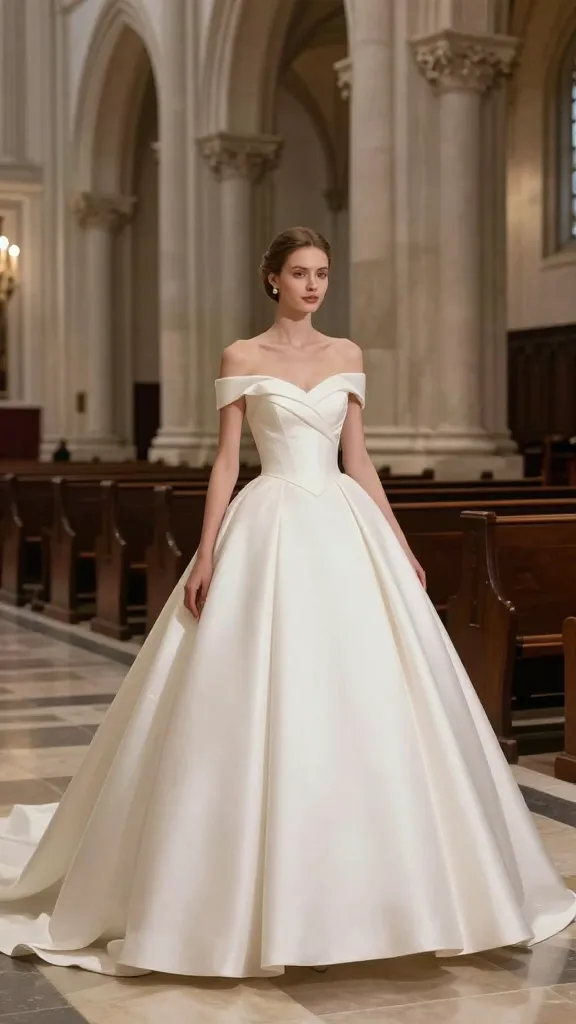
– Ballgown: The classic dream for a fairy-tale moment—if the venue is grand enough to balance all that volume.
Finding Your Soul in the Skirts
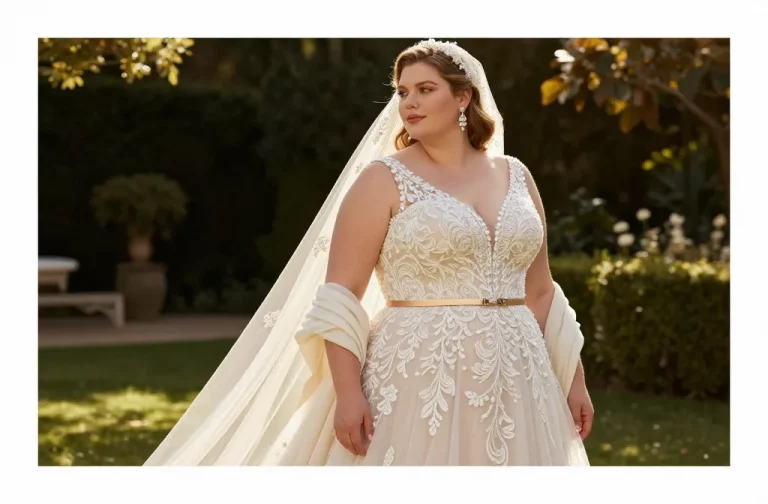
If you can’t decide, try a classic A-line with a detachable overskirt. One moment you’re pristine in the ceremony, the next you’re revealing a playful, party-ready silhouette for the reception. FYI, versatility is not cheating the look—it’s maximizing it.
Fabric and Fit: Comfort Without Compromise
This image was AI-generated or AI-enhanced.
The church demands a certain air, but you don’t have to suffer for it. Lighter tulle on the sleeves, a satin base for structure, or mikado for a crisp silhouette can all work. The trick is choosing fabric with a gentle stretch or a lining that keeps you comfortable as you wander the pews and greet guests.
– Fabrics to consider: satin, mikado, crepe, lightweight jersey for lining
– Lining is your best friend: prevents cling and ensures modesty where needed
– Seam placement matters: a well-placed seam can smooth and flatter your natural shape
Under then Over: The Layer Game
A detachable train or cape can be a game changer, giving ceremony drama and reception practicality. It’s like getting two outfits in one—fewer logistics, more selfie opportunities.
Details That Speak Softly but Carry a Lot
This image was AI-generated or AI-enhanced.
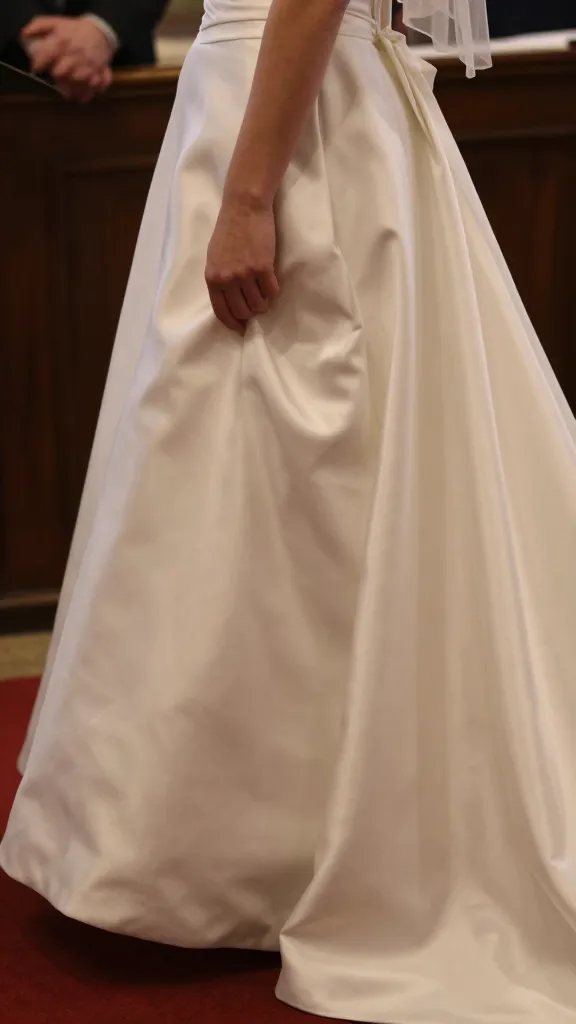
Classic church dresses win with restrained, meaningful details. Think:
– Lace that’s not overpowering: subtle motifs at the neckline or sleeves
– Necklines that honor the setting: boat neck, scoop, or modest V
– Sleeves: cap, three-quarter, or long with sheer panels
– Beads and embroidery: keep them small and intentional; less is more for a refined look
Accessories That Don’t Steal the Spotlight
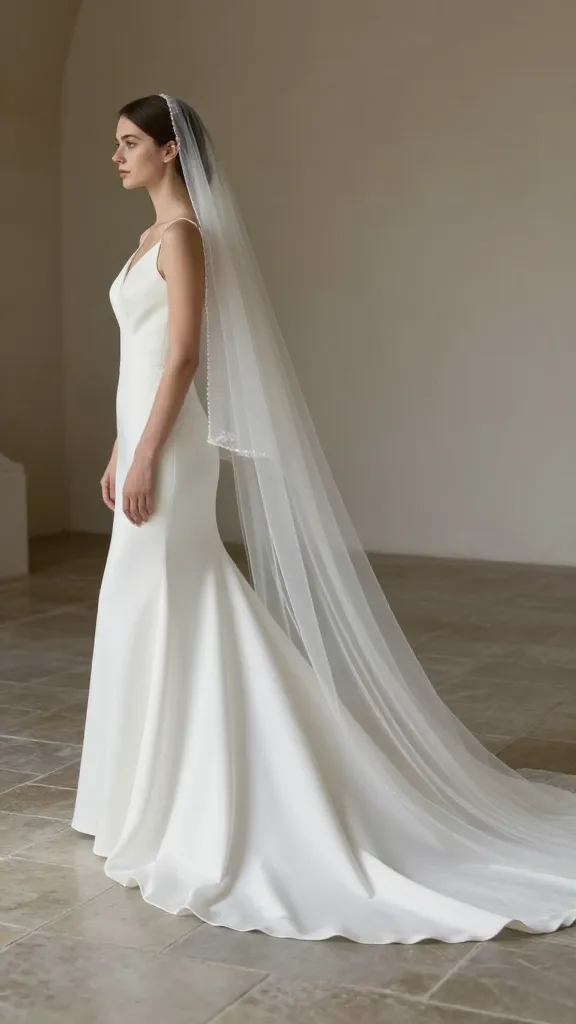
Choose jewelry that complements rather than competes with the dress. A delicate pendant, pearl studs, or a thin cathedral-length veil can finish the look without stealing focus from the moment you walk down the aisle.
Veil, Train, and Ceremony Etiquette
This image was AI-generated or AI-enhanced.
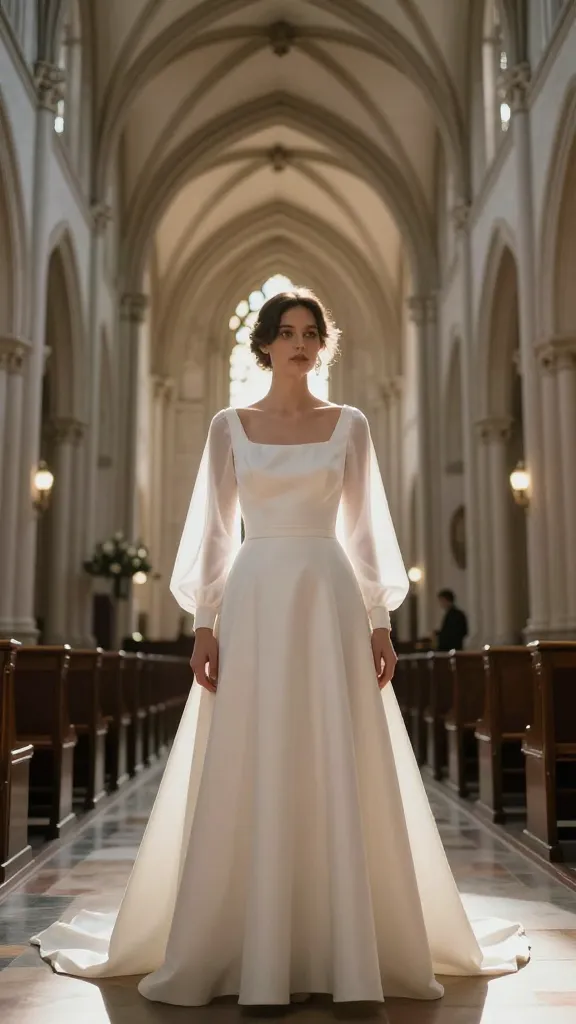
Veiling traditions are lovely but not mandatory. If you’re wearing a veil, consider length in relation to the church’s aisles and doors—long trains can be dramatic, but they may become impractical in tight spaces or crowded galleries. A fingertip or chapel-length veil often hits a sweet spot for most ceremonies.
– Train length decisions: consider venue size and how much you’ll move around
– Veil options: blusher, fingertip, chapel; layering can add drama without becoming cumbersome
– Shoes: plan for a comfortable pair that you can switch into after the photos
Color and Tone: The Subtle Power of White and Off-White
This image was AI-generated or AI-enhanced.
The “classic” dress usually sticks to white or ivory, but that doesn’t mean boring. Stock up on warm undertones that complement your skin, and consider subtle shifts like champagne or soft ivory to warm up your look. FYI, temperature matters for photos—ask your photographer for a quick test shot against the altar lighting.
When White Feels Too Stark
If pure white feels harsh, an ivory or cream base with a pale blush lining can soften the look while keeping the traditional feel. It’s still a classic, just with a friendlier glow.
Finding “The One” Without Losing Your Mind
This image was AI-generated or AI-enhanced.
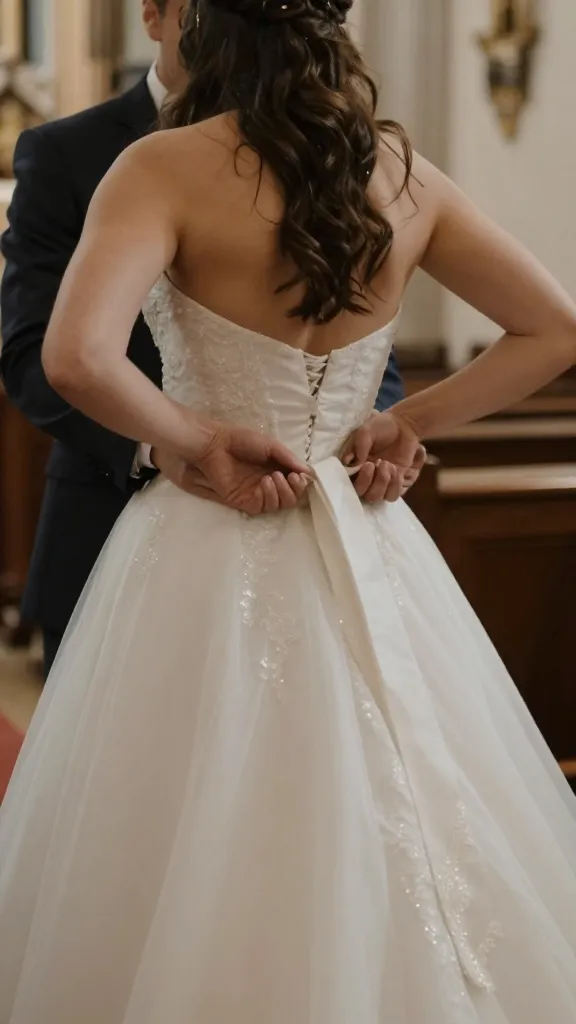
Shopping for a church dress should feel fun, not a sprint to a finish line. Start with a few go-to musts: modesty appropriate for the venue, a silhouette you love, and fabrics you can actually wear for hours. Try a mix of classic lines and a few personal touches—like a uniquely cut neckline or a special lace pattern—that say, “This is me, but elevated.”
– Set a realistic budget and track alterations
– Schedule fittings with a trusted, patient tailor
– Bring a small entourage for honest feedback, but not a fashion chorus
FAQ
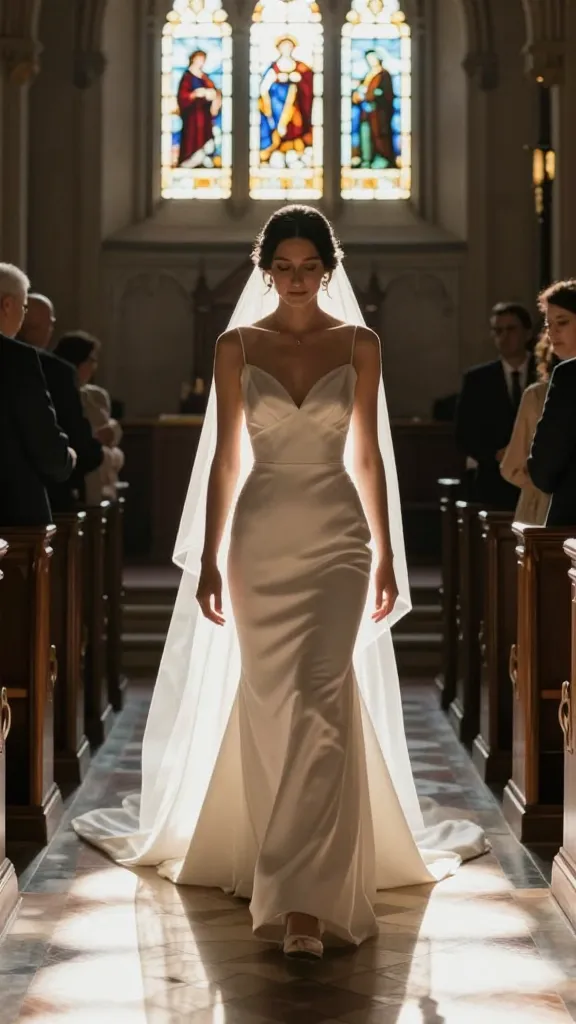
This image was AI-generated or AI-enhanced.
What makes a dress “church-appropriate”?
In most cases, it means modest necklines, sleeves or a cover-up option, and a silhouette that suits the space. It should feel respectful of a sacred venue while letting your personality shine.
Can I wear a straps-free gown in a church ceremony?
Yes, as long as you have a cardigan, cape, or a detachable cover that can be added for the ceremony if needed. It’s all about the flow between ceremony and reception.
What about a cathedral-length veil in a small church?
If space is tight, a shorter veil can avoid tripping hazards and crowds. You can save a dramatic cathedral veil for photos or a larger venue.
How do I make a timeless dress look modern?
Keep the silhouette classic, but add a personal twist—like a modern neckline, a contemporary belt, or a small, meaningful lace motif. The trick is balance: timeless shape with a small, current flourish.
Do I need to buy new shoes or can I wear something comfortable?
Comfort is king. If your current heels work for the photos but hurt by ceremony end, bring a comfy pair for the reception. A little planning goes a long way.
Conclusion
A church wedding dress that stands the test of time isn’t a relic—it’s a thoughtful blend of tradition and personal flair. By focusing on silhouette, fabric, and tasteful details, you create a look that feels regal without screaming for attention. So go ahead: find that dress that makes you feel like the leading lady of your own timeless love story. If you want, I’ll help you narrow down the list and play dress-up like it’s a Sunday selfie session.
This image was AI-generated or AI-enhanced.