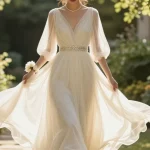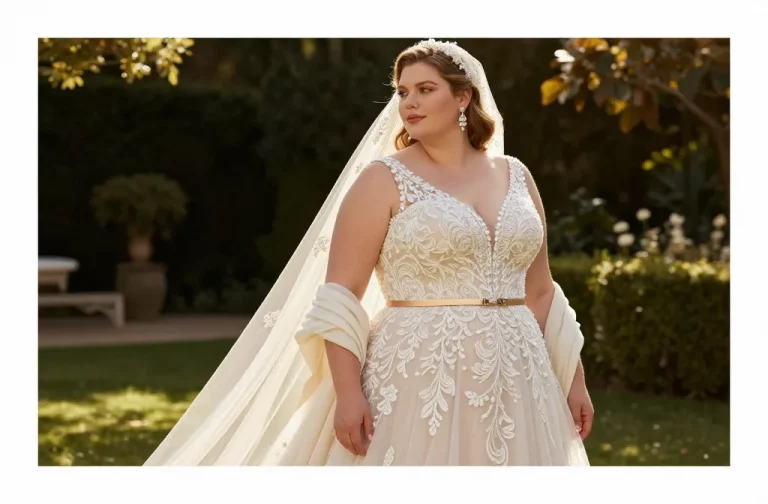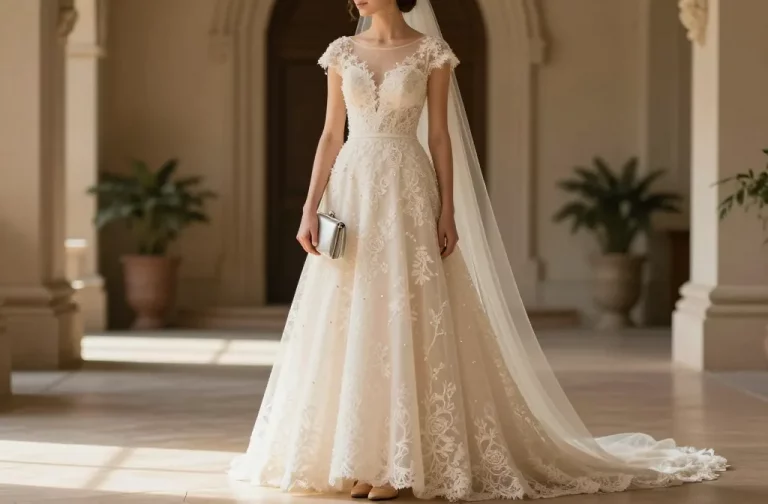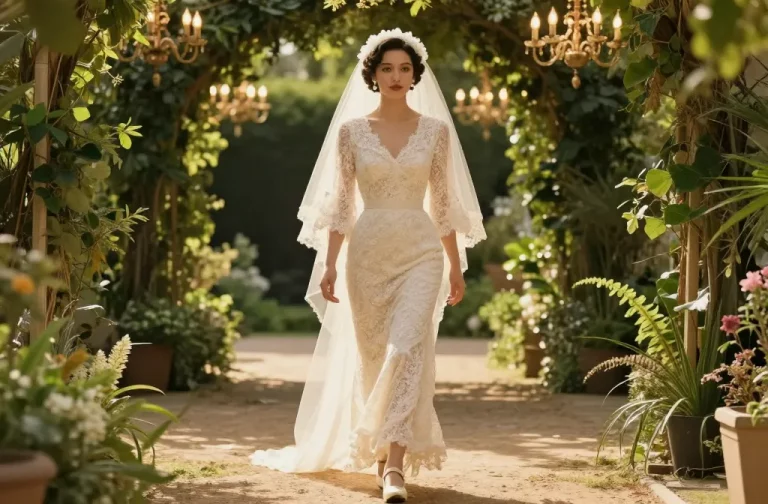
An iconic silhouette, a whisper of lace, and a dress that lets your personality shine—yes, a simple traditional wedding dress can be the ultimate timeless statement. Let’s dive into why this classic choice still steals the show and how to make it feel utterly you.
Why Simplicity Wins in a Traditional Wed

This image was AI-generated or AI-enhanced.
Simple doesn’t mean boring. It means clean lines, thoughtful details, and a dress that works in every aisle moment—from the walk down the aisle to the last dance. A traditional silhouette keeps focus on you, your vows, and the memories you’re creating. FYI, you’ll likely wear this dress again, not just for the wedding photos.
Finding Your Ideal Silhouette
This image was AI-generated or AI-enhanced.
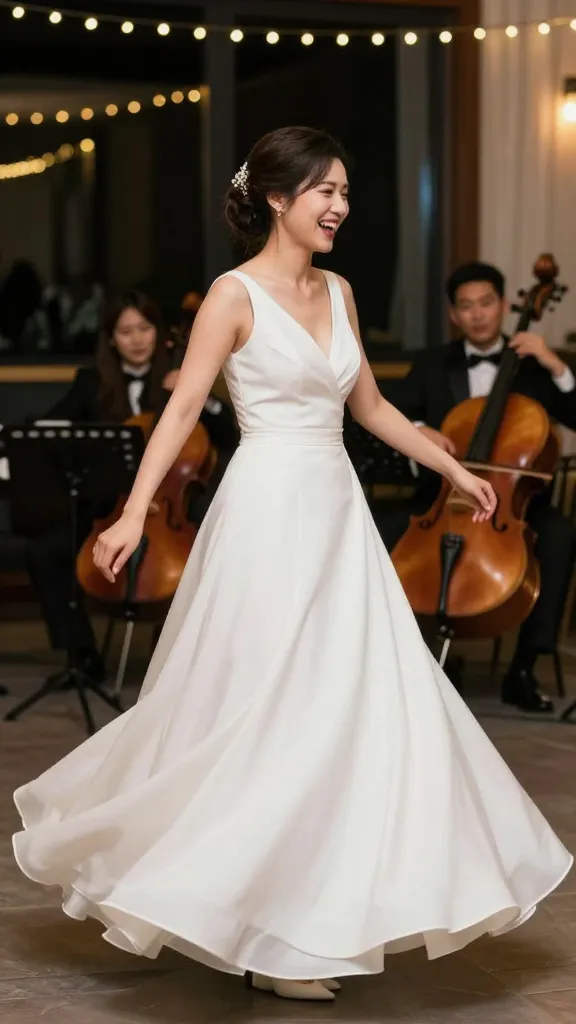
– A-line dresses glide over your curves and feel universally flattering. They’re forgiving, forgiving, forgiving—perfect for dance-floor shimmies.
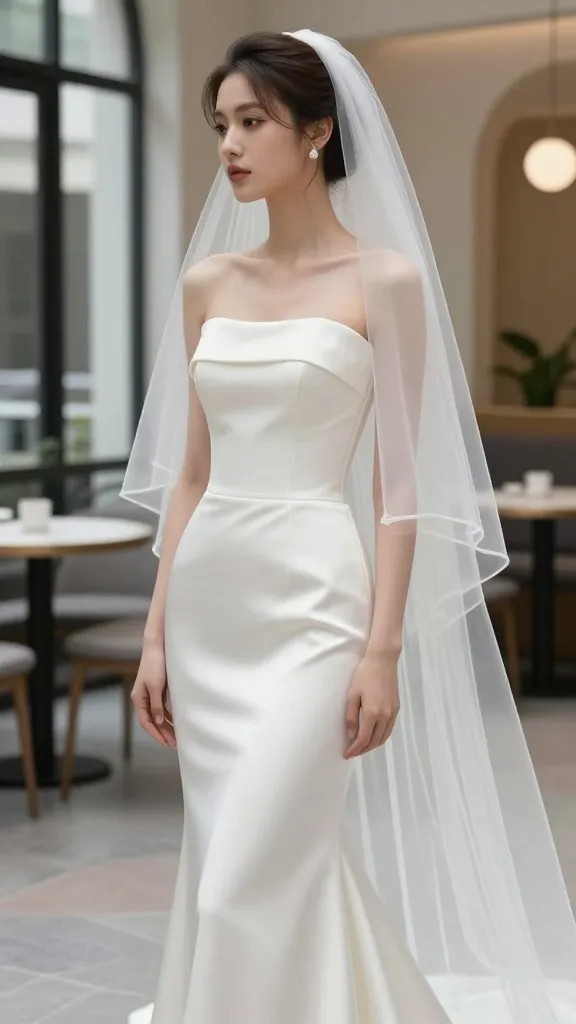
– Sheath or column gowns skim the body for a sleek, modern take on tradition. Think minimalist but glamorous.
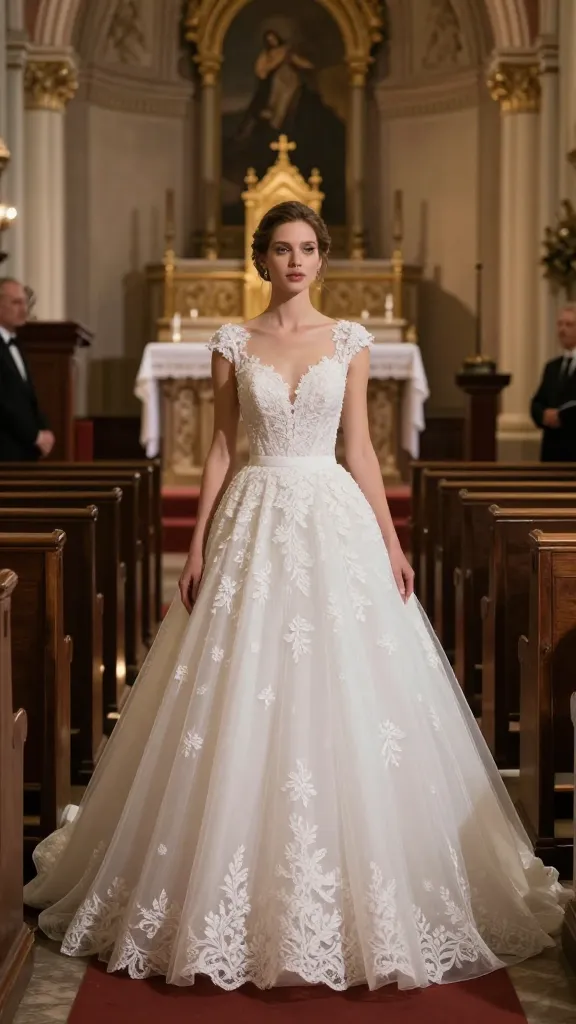
– Ballgowns are the classic fairytale option if drama is your thing, but you can still keep it simple with a understated bodice and soft tulle.
Uplift the Look with Subtle Details
– Delicate lace edging along the neckline or sleeves adds romance without shouting.
– A satin belt or modest beading brings a touch of personality without stealing the show.
– A modest train can be functional and elegant—great for photos and movement.
Fabric Choices That Feel Rich Without Overdoing It
This image was AI-generated or AI-enhanced.
– Satin offers a smooth, luxurious surface that photographs beautifully and runs with a quiet confidence.
– Crepe has a contemporary edge with clean drape and good movement—perfect if you want something traditional yet current.
– Lace overlays add texture and interest while keeping the overall look understated.
Texture vs. Structure
– If you love drama, pick a dress with a lace bodice and a simple crepe skirt. You get texture without overpowering the vibe.
– For a minimalist fashion girl, go all in on a sleek crepe with a surprise back detail—hello, wow moment!
Detailing That Speaks Volumes
This image was AI-generated or AI-enhanced.
– Necklines: bateau, scoop, or V-neck—each creates a different vibe. A high neckline feels classic and modest; a gentle scoop keeps things approachable.
– Sleeves: cap sleeves for a touch of romance; long sleeves for timeless elegance; sheer sleeves for subtle drama.
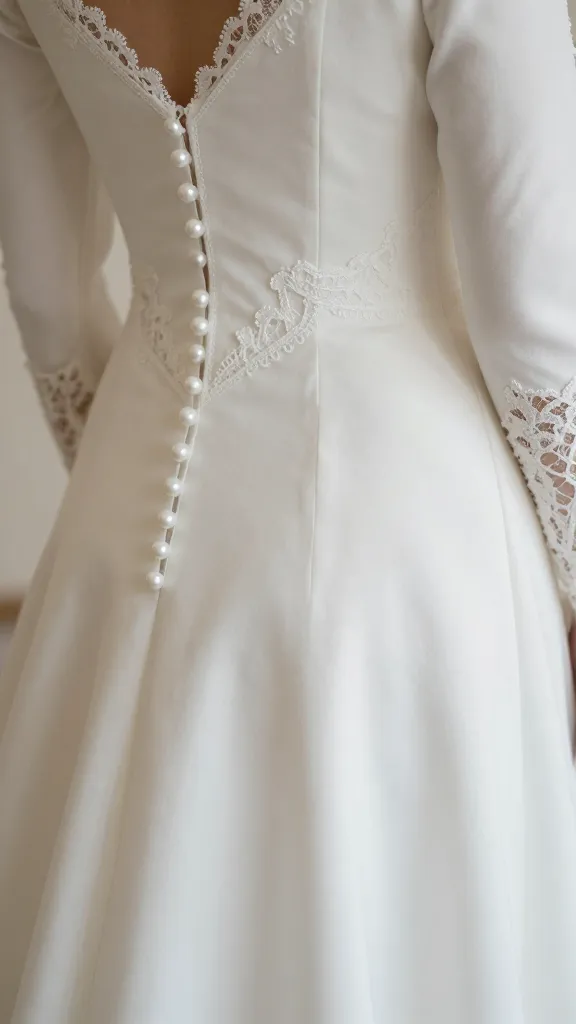
– Back design: a button row down the spine, or a low, tasteful cutout—back details can be the real mic drop.
Tips for Achieving the Right Balance
– Let the accessories do the talking. If your dress is ultra-simple, you can add a statement veil or bold jewelry (sparingly).
– If your dress has a standout back, keep the front clean to avoid competing focal points.
Colors, Veils, and Accessories
This image was AI-generated or AI-enhanced.
– Stick to ivory, champagne, or soft white hues for a traditional vibe. These shades photograph beautifully and feel timeless.
– Veils: fingertip or cathedral length works well with traditional silhouettes. Choose one that complements the dress’s length and train.
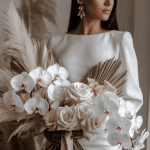
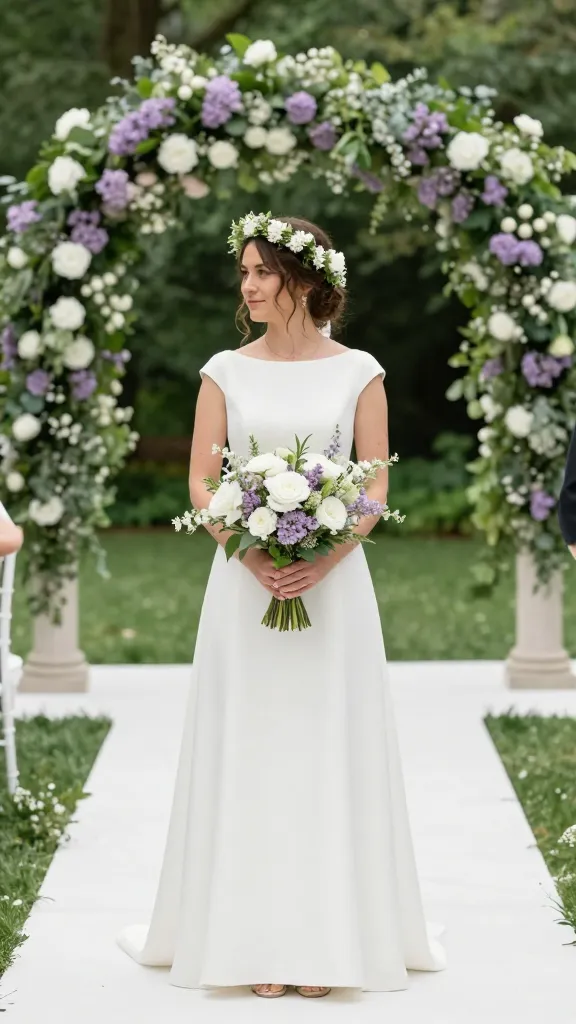
– Accessories: pearls or subtle crystal accents echo a classic look. A delicate bouquet can tie the whole ensemble together.
Hair and Makeup That Match the Mood
– Classic updos or soft waves both align with a traditional look. Keep makeup luminous and timeless—think rosy cheeks, soft pink lips, and a polished finish.
– If you’re leaning into a more ethereal take, a soft, dewy look can pair beautifully with lace accents.
Where to Shop and How to Try On
This image was AI-generated or AI-enhanced.
– Start with reputable boutiques that specialize in wedding dresses and carry a range of traditional silhouettes. Don’t be shy about asking for alterations—even the simplest gown often needs a quick nip and tuck.
– Try on for silhouette first, not just aesthetics. You want to feel the dress move with you, not fight you.
– Bring a trusted friend or two who gets your vibe. You’ll thank yourself later when you’re debating the neckline versus the sleeve.
Alterations That Make a World of Difference
– A hem tailored to your height prevents awkward drag and ensures clean photo angles.
– Bust adjustments ensure comfort from the altar to the dance floor.
– A seam in the waist can reshape a gown to your perfect proportions.
The Practical Side: Comfort, Movement, and Budget
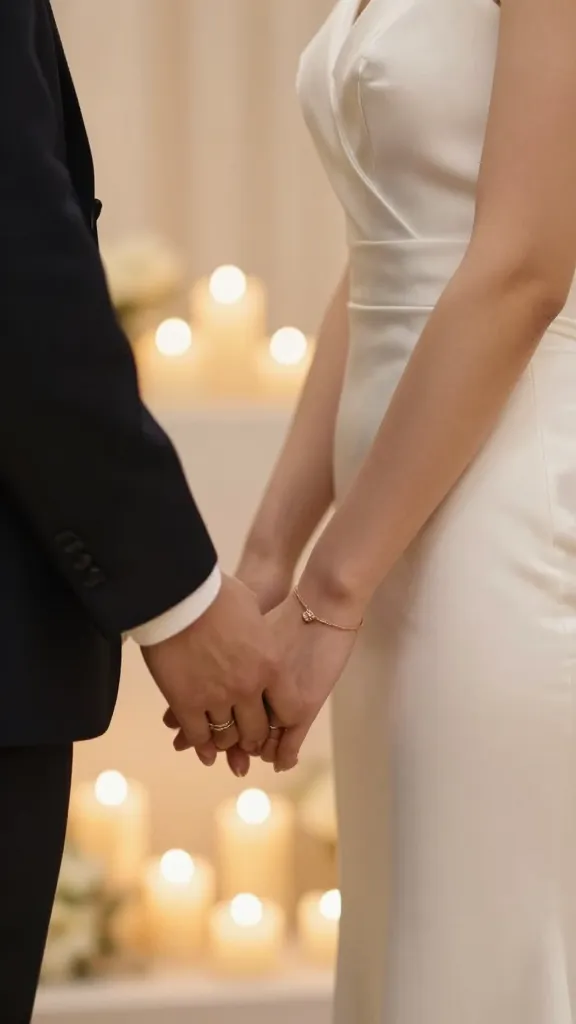
This image was AI-generated or AI-enhanced.
– Comfort matters more than you think. If you can’t sit, dance, or bend without adjusting constantly, you won’t enjoy the day. Try to move around in the dress for a bit during fittings.
– Movement matters as well. A dress with a gentle swing or a controlled train can be more forgiving on a windy outdoor ceremony.
– Budget-wise, a timeless silhouette often costs less to keep looking good for years. You’ll value a dress you can alter, tailor, and treasure long after the “I do’s.”
When Tradition Gets Personal
– Add a family heirloom: a subtle lace insertion or a button from a grandmother’s wedding dress can ground the look in love and history.
– Consider a two-piece approach: a simple bodice with a detachable skirt for the reception changes the energy without needing a different gown.
FAQ
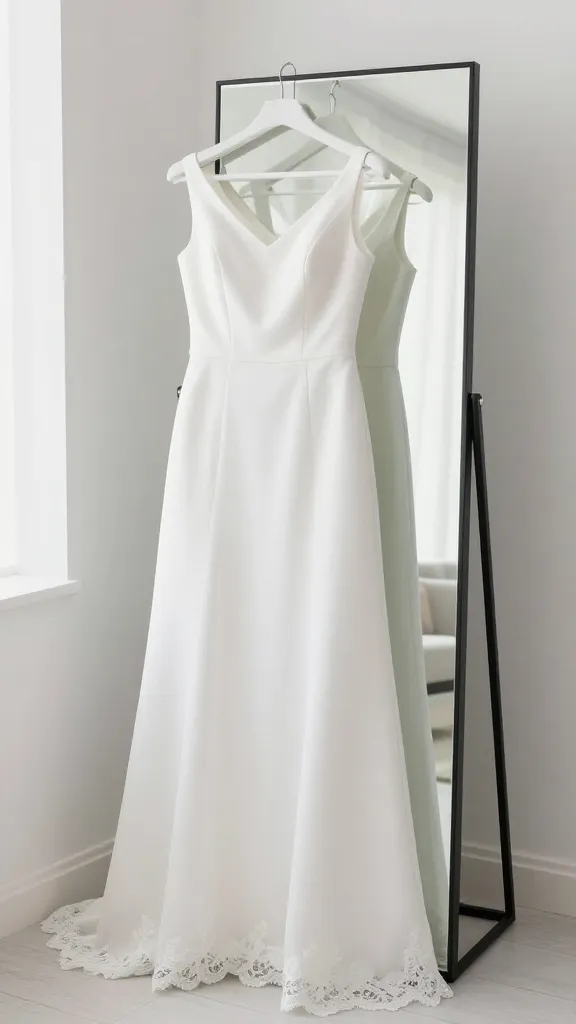
This image was AI-generated or AI-enhanced.
What makes a wedding dress “simple” yet traditional?
Simple in this context means clean lines, minimal embellishments, and a silhouette that’s timeless. Traditional nods come from classic necklines, lace accents, and modest silhouettes that evoke a sense of heritage without going overboard.
Can I wear a traditional dress for a modern wedding vibe?
Absolutely. Pair it with contemporary makeup, a sleek hairstyle, or a modern bouquet to create a beautiful juxtaposition. The dress anchors the look while the styling keeps it fresh.
Is it okay to wear off-white or ivory if I’m worried about skin tones?
Yes. Ivory and champagne tones tend to photograph more softly and flatter many skin tones. If you’re unsure, try a few swatches under natural light and during photos to see what feels right.
How do I make a simple dress feel unique?
Focus on details like a meaningful back design, a delicate lace motif, or a custom belt. Accessorize thoughtfully, and don’t be afraid to reserve a moment of drama for the veil or bouquet.
What if I want a traditional dress but with a modern fit?
Look for a gown that balances classic elements with a streamlined silhouette. A sheath shape with a lace bodice, or a crepe fabric with a subtle train, can deliver both worlds.
Conclusion
A simple traditional wedding dress isn’t boring—it’s incredibly versatile, elegantly subdued, and endlessly photogenic. It lets your love story take center stage while you glide through the day with confidence. If you want to feel timeless, chic, and a little bit magical, this is your dress. Do you dare to dream a little simpler and a lot more you?
This image was AI-generated or AI-enhanced.